Batalha
A small town built around one of Portugal's greatest monuments — the Batalha Monastery.
A one-monastery town. Come for the monastery, don't plan to stay.

Why go
The Mosteiro da Batalha is the reason — a Manueline-Gothic masterpiece built to commemorate the 1385 victory at Aljubarrota. The town itself is quiet and pleasant but secondary.
Why you might skip it
The town serves almost exclusively as a host for the Batalha Monastery, offering little to occupy a traveler beyond the site itself. The absence of a traditional historic center or diverse cultural attractions makes it unsuitable for extended visits. Once the interior of the monument is fully explored, the town offers no further points of interest to warrant a stay longer than a few hours. It lacks the infrastructure and variety of attractions required for a standalone destination.
What to eat
Local bakeries and cafes surrounding the monastery serve traditional regional pastries, specifically the local take on egg-based sweets common to central Portugal. Small, family-run restaurants lining the main square offer lunch plates featuring grilled cod or pork dishes. Dining options are concentrated near the site, providing quick service for transit-focused day trips. Evening meals are less common in the immediate vicinity as many establishments close shortly after the final tours of the monument conclude.
Where to stay
A day trip, not a bed. (Half a day)
Limited accommodation options exist, consisting primarily of small guesthouses or modest inns located within walking distance of the monastery. These properties offer basic amenities at a lower price point than major urban centers. However, noise levels can increase near the N1 thoroughfare due to heavy truck traffic. Given the proximity of larger hubs like Leiria and the efficient transport links, most stays occur outside the town to avoid the lack of evening activity and services.
Getting there & around
Batalha sits on the N1 road between Leiria and Fátima; a car is the most practical way to reach it. Frequent regional buses connect the town to Leiria, where there is a major bus terminal with links to Lisbon and Coimbra.
The N1 road provides the primary access point for vehicles, with large public parking lots situated within a three-minute walk of the monastery entrance. The town layout remains compact, requiring only ten minutes to traverse on foot from the outer periphery to the central monument. Regional buses connect the town center to Leiria, though services fluctuate on weekends. Walking paths throughout the town are paved and generally level, presenting no significant incline for pedestrians navigating between the shops and the main site.
Common planning mistakes
Overestimating the required duration for a visit remains a frequent error. Planning an overnight stay limits the utility of a trip, as the town lacks the depth for multi-day tourism. Neglecting to check regional bus timetables from Leiria often results in extended wait times, as connections to surrounding areas are not frequent. Approaching the monastery during Monday morning closures or late afternoon holidays leaves little else to occupy the itinerary, leading to frustration regarding the limited scope of the destination.
Less ideal for
The town is not suited for travelers seeking nightlife, cultural variety, or an immersive historical city experience. Those relying solely on public transportation may find the schedule restrictive for spontaneous movement. It is not an ideal location for families looking for diverse leisure activities or for those wishing to avoid the heavy traffic flow of the N1. The singular focus on the monument makes it poorly matched for itineraries centered on urban exploration, museums, or coastal leisure.
Practical notes
The monastery functions as a major historical site with ticketed entry and established daily operating hours. Public restrooms and tourist information points are available within the town center. Signage near the main road provides clear directions to parking, which is free in most municipal zones. Mobile connectivity is strong throughout the town, and ATMs are accessible near the primary square. Site exploration involves extensive walking across stone floors and courtyard gravel, necessitating footwear suitable for uneven surfaces.
What's here

Batalha Monastery
The Manueline-Gothic monastery of Santa Maria da Vitória, built to thank God for a battle won in 1385.
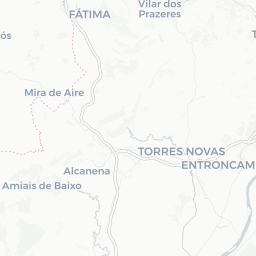
Where it sits




More places in Central Portugal

Nazaré
A fishing town turned big-wave legend — the Sitio clifftop, giant surf at Praia do Norte, and a working beach below.

Óbidos
A perfectly walled medieval town — whitewashed houses, yellow and blue trim, and a castle you can stay in.
Peniche
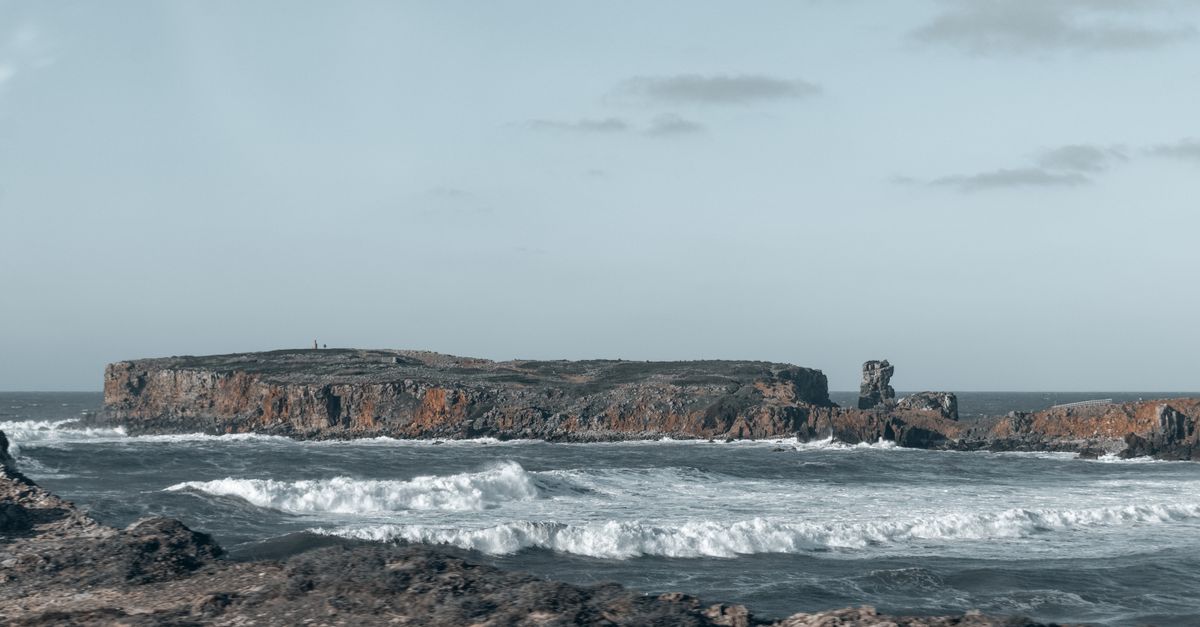
A functional fishing town and surf hub located on a rocky peninsula; site of a coastal fortress and the ferry terminal for the Berlengas nature reserve.

Aveiro
A flat canal city on a lagoon — art-nouveau façades, moliceiro boats, and a beach (Costa Nova) a short ride away.
Coimbra
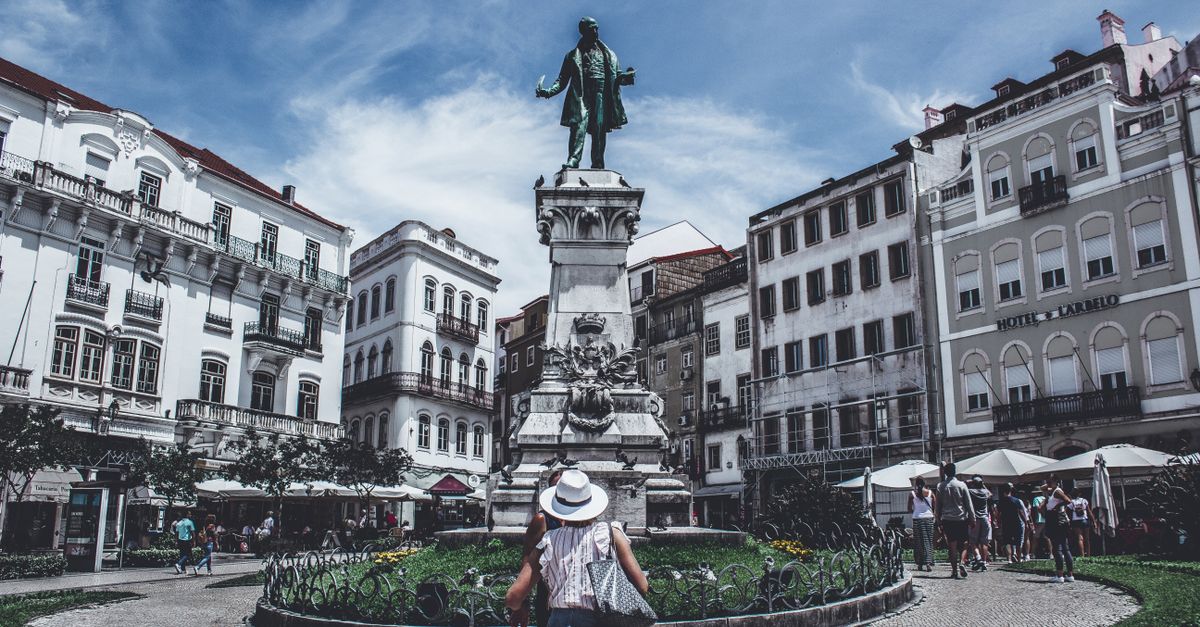
Portugal's medieval capital and university city — a steep, tiled old town above the Mondego, with a baroque library and fado of its own.

Monsanto
A granite village pinned between giant boulders — voted 'most Portuguese village' in 1938.
We may earn a commission from bookings made through these links. It never changes what we recommend, or what we leave out.