Peniche
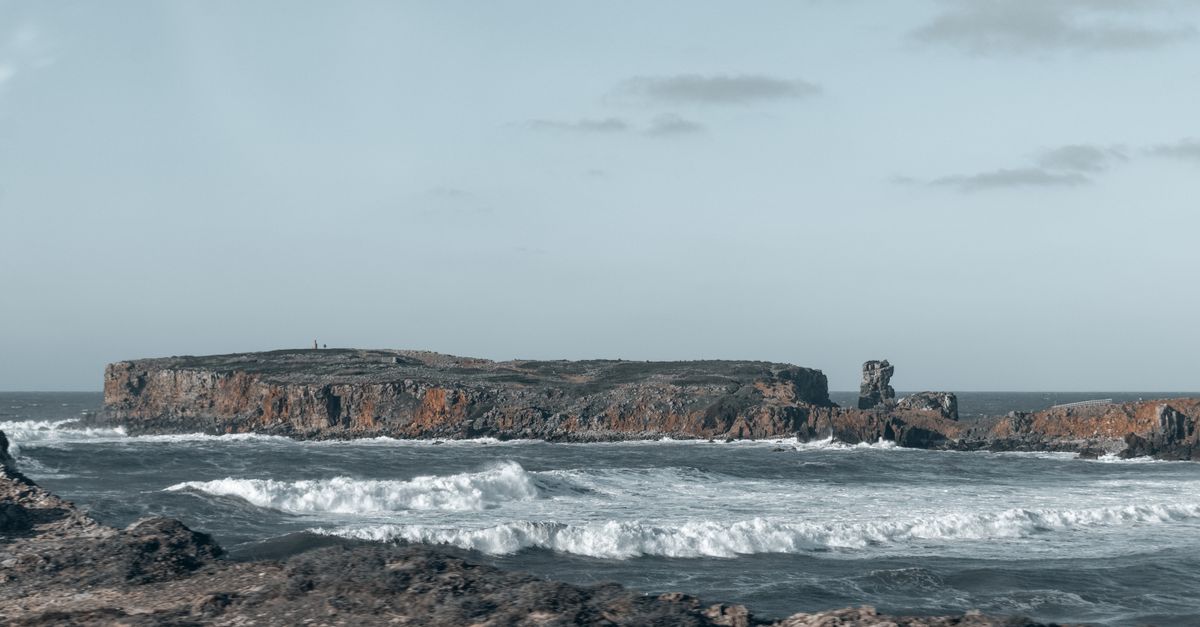
A functional fishing town and surf hub located on a rocky peninsula; site of a coastal fortress and the ferry terminal for the Berlengas nature reserve.
A practical base for surfers in central Portugal and the necessary transit point for visiting the Berlengas.
Why go
Consistent waves at Supertubos, a high-volume fishing harbor, a 16th-century fortress, and daily ferry access to the Berlengas archipelago for snorkeling and wildlife observation.
Why you might skip it
Lacks historic or visual polish; the town center is industrial and utilitarian.
What to do
Surf or observe waves at Supertubos, take the boat to the Berlengas, walk the fortress ramparts, eat fish near the harbor.
What to eat
Fresh local fish, shellfish, caldeirada.
Where to stay
A base, not a stop. (1–2 nights)
Accommodation focuses on basic guesthouses and mid-range surf hostels clustered near the harbor and the southern beaches. Staying near the town center provides proximity to the bus terminal and main shops but often involves noise from early morning fishing industry activities. Options along the coast offer better ocean views but require a vehicle or a longer walk to reach the grocery stores and primary transport hubs found in the town center.
Getting there & around
Drive or take the bus from Lisbon.
The town layout sits on a peninsula, making walking the primary way to access the harbor and local beaches. Streets in the old center remain narrow and often restricted for vehicle traffic. The central bus station connects to Lisbon and nearby cities, though the schedule requires prior confirmation. Parking exists in large designated public lots near the harbor, which proves necessary as street parking in the town core is limited and strictly enforced during peak summer months.
Common planning mistakes
The assumption that the town functions as a resort destination leads to disappointment. Many arrivals miscalculate the distance to the island ferry terminal, resulting in missed departures when parking is not secured early. Relying solely on public transit ignores the necessity of a car for reaching the more remote surf beaches on the northern coast. The lack of proximity to the beach from the central town district frequently surprises those seeking immediate ocean access.
Less ideal for
The peninsula suits those seeking polished historical architecture or quiet, manicured coastal resorts poorly. The town remains a working fishing hub, prioritizing industrial function over aesthetic charm. The harsh Atlantic winds and stark, utilitarian urban layout frustrate those expecting a traditional Portuguese village experience. The streets provide few opportunities for leisure beyond the immediate demands of surf logistics or ferry transit, making it a poor choice for those desiring a leisurely cultural retreat.
Practical notes
The bus terminal sits on the edge of the town center, roughly a ten-minute walk from the main waterfront. Cash remains useful for smaller vendors and market stalls, though cards are standard in restaurants. Small local markets occur on specific days, primarily selling regional produce. Siesta hours remain observed by many family-run businesses, leading to sporadic closures between mid-afternoon and evening. Coastal fog can reduce visibility significantly regardless of the season or temperature.
What's here

Peniche (Supertubos)
Supertubos is a beach break on the Peniche peninsula defined by heavy, hollow barrels. It serves as a flagship stop on the professional championship tour, drawing surfers specifically for its fast-moving waves.

Forte de São João Baptista
This 17th-century fortress sits on the remote Berlenga Grande island. It is accessible only by boat across the Atlantic.
Where it sits


More places in Central Portugal

Aveiro
A flat canal city on a lagoon — art-nouveau façades, moliceiro boats, and a beach (Costa Nova) a short ride away.
Coimbra
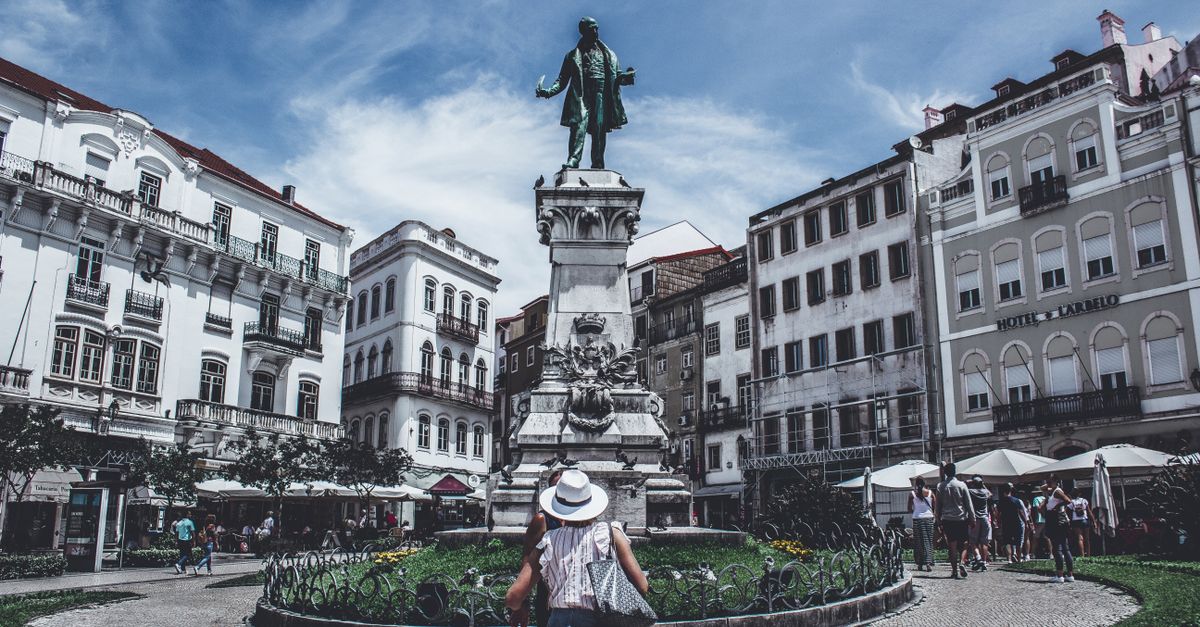
Portugal's medieval capital and university city — a steep, tiled old town above the Mondego, with a baroque library and fado of its own.

Monsanto
A granite village pinned between giant boulders — voted 'most Portuguese village' in 1938.

Piódão
A schist-village amphitheater of blue-grey stone houses in a remote Serra do Açor valley.

Tomar
A Templar city on the Nabão — the Convent of Christ is one of Portugal's most extraordinary monuments.
We may earn a commission from bookings made through these links. It never changes what we recommend, or what we leave out.