Piódão
A schist-village amphitheater of blue-grey stone houses in a remote Serra do Açor valley.
The most beautiful of the schist villages — go for the setting and the drive, not for a long list of sights.

Why go
The tiered slate houses, the white-trimmed doors, and the steep forested valley make this one of Portugal's most photogenic hamlets. The drive in is half the experience.
Why you might skip it
The extreme isolation of the village results in long transit times that often outweigh the duration of the visit. The limited scope of the village center offers little variety for those seeking a diverse itinerary or active nightlife. The absence of cultural institutions or significant historical sites makes the location a niche choice, appealing primarily to those with a specific interest in rural architecture or photography rather than a broader tourist experience.
What to eat
Chanfana, a traditional goat stew slow-cooked in red wine, serves as the local specialty. This dish appears in the small taverns scattered along the village lanes, often accompanied by local honey-based desserts. Meals focus on simple, hearty ingredients harvested from the Serra do Açor region. The dining experience centers on rustic, unpretentious settings, reflecting the agricultural roots of the schist villages, with house wine frequently sourced from nearby vineyards in the lower valley.
Where to stay
A detour, rarely a night. (2–3 hours)
Local lodging consists primarily of restored schist houses converted into guesthouses or small rural tourism units. These stone dwellings offer quiet nights but remain physically demanding due to steep internal stairs and exterior slopes. Prices reflect the scarcity of accommodation within the village core. Proximity to the central square guarantees easy access to the main road but increases exposure to the occasional noise of nearby village activity.
Getting there & around
Access requires a vehicle, as there is no public transport serving the village. The final approach involves navigating narrow, winding mountain roads from Arganil via the N342; parking is limited to a small lot at the village entrance, from which you must walk into the center.
Private vehicle remains the only reliable method for reaching Piódão due to the absence of public transport. The village consists of steep, uneven stone pathways unsuited for motorized travel. A small parking area sits at the village entrance, forcing all movement within the settlement to occur exclusively on foot. Sharp inclines define the topography, requiring constant navigation of steps and narrow alleys that connect the schist structures. Accessibility for those with limited mobility is virtually non-existent.
Common planning mistakes
Many arrivals underestimate the distance from major transport hubs, expecting bus service where none exists. A frequent error involves attempting the narrow mountain roads at night or during adverse weather conditions, which significantly slows navigation. Planning for a full day often leads to frustration, as the village core is compact and lacks sufficient activities to occupy several hours beyond the brief, scenic exploration of the architecture and immediate surrounding trails.
Less ideal for
This village does not suit those with mobility limitations, as the landscape consists entirely of steep stairways and uneven paving stones. It is also unsuitable for travelers relying on public transit or those who prioritize proximity to urban conveniences, modern shopping, and varied dining options. The remoteness makes it a difficult destination for families requiring frequent access to medical services or those uncomfortable with navigating complex, winding, and narrow mountain road passages.
Practical notes
Mobile signal remains unreliable throughout the deep valley. Cash is essential as many small vendors do not accept card payments, and no banking facilities operate within the village. The village architecture dictates the pace, with limited service hours for shops and eateries that often cease operations by early evening. No train stations exist in the immediate vicinity, making the car trip from Arganil the only practical route for reaching the village center.
Where it sits


More places in Central Portugal


Aveiro
A flat canal city on a lagoon — art-nouveau façades, moliceiro boats, and a beach (Costa Nova) a short ride away.

Batalha
A small town built around one of Portugal's greatest monuments — the Batalha Monastery.
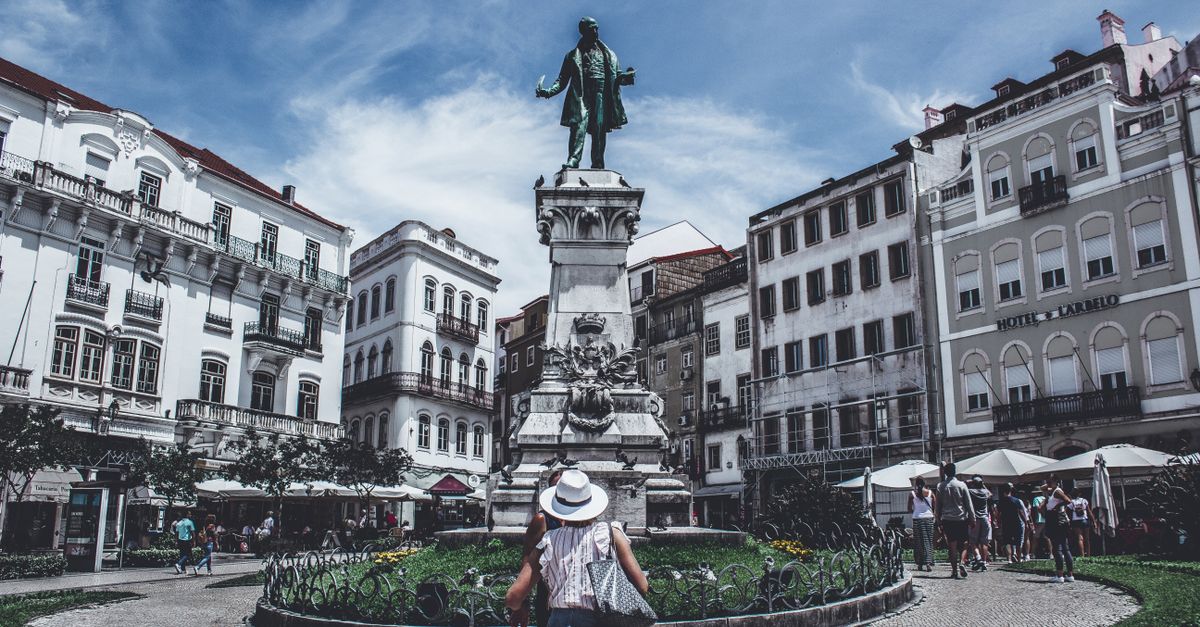
Coimbra
Portugal's medieval capital and university city — a steep, tiled old town above the Mondego, with a baroque library and fado of its own.

Nazaré
A fishing town turned big-wave legend — the Sitio clifftop, giant surf at Praia do Norte, and a working beach below.

Óbidos
A perfectly walled medieval town — whitewashed houses, yellow and blue trim, and a castle you can stay in.
We may earn a commission from bookings made through these links. It never changes what we recommend, or what we leave out.