Alcobaça
A town organized around the vast Cistercian abbey that shaped it.
The monastery is the town. Come for the abbey, stay for lunch, move on.

Why go
The Alcobaça Monastery dominates the town and contains the famous tombs of Pedro and Inês de Castro — one of Europe's great love stories in stone. The town is small and agreeable.
Why you might skip it
The town offers little beyond the monastery, limiting its appeal to a singular historical interest. Once the church and the royal tombs undergo inspection, the remaining municipal streets lack distinctive architecture or unique cultural activities. Travelers with limited time in the region find the transition from Lisbon to the coast more efficient without a stop, as the town requires an intentional diversion from the main transit routes to reach the central valley.
What to eat
Alcobaça is known for conventual sweets, which rely heavily on egg yolks and sugar. Pastry shops near the abbey square offer variations of cornucópias and pão de ló. Lunch menus in the town typically feature traditional pork or cod dishes. Several restaurants operate along the Rua Dom Pedro I, serving plates that cater to the tourist flow. Meal prices generally reflect mid-range expectations for the central region.
Where to stay
A day trip, not a bed. (Half a day)
Overnight options are limited to a small selection of guesthouses and boutique hotels located within walking distance of the abbey. Staying in the town centre saves thirty minutes of travel time each morning. Alternatively, some visitors choose rural manor houses in the surrounding countryside, which requires a vehicle for access. These properties provide a quieter atmosphere than the town core but necessitate a ten-minute drive for dinner or site visits.
Getting there & around
Alcobaça is located near the A8 motorway; driving is the most direct method, typically reaching the town from Lisbon in about 90 minutes. There is no direct train station in the town, requiring a connecting bus from the rail stop at Valado dos Frades or a regional coach from Sete Rios in Lisbon.
The historic center centers on the monastery and remains flat for easy walking. Paid street parking surrounds the abbey, while free parking sits at the town periphery near the Alcoa and Baça rivers. Public transport relies on regional coaches connecting Lisbon and nearby towns. No local bus network serves the immediate center. Access by car requires navigation of narrow municipal streets with limited signage, though the main roads leading to the monastery are wide and paved.
Common planning mistakes
The omission of the surrounding region often leads to an incomplete itinerary, as the town serves as a singular destination rather than a hub for multiple days. Reliance on rail travel frequently results in delays due to the distance between the station and the historic centre. Scheduling visits on Mondays ignores the reduced availability of regional cultural sites, while arriving late in the day often conflicts with the monastery closing times that occur before sunset during winter months.
Less ideal for
This location provides little for those interested in coastal activities, sandy beaches, or rugged hiking trails. It is not a base for nightlife seekers or individuals without a personal vehicle who prefer flexible travel schedules. Travelers who dislike religious history or massive Gothic stone structures will find few alternative attractions to fill their time. It serves as a single-purpose destination for architecture enthusiasts rather than a multi-faceted vacation hub.
Practical notes
The Monastery of Alcobaça charges admission fees, with free entry available on specific national holidays. Most major historical sites operate between 09:00 and 18:00, with final entries permitted thirty minutes prior to closure. Public restrooms exist near the main parking areas, and several banks provide currency services along the central pedestrian thoroughfare. Signage for historical sites appears primarily in Portuguese, though printed brochures offer multi-language guides at the ticket office entrance.
What's here

Alcobaça Monastery
Portugal's largest church and the purest Cistercian abbey in the country, founded 1153.
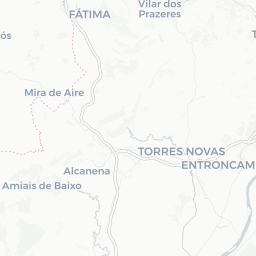
Where it sits


More places in Central Portugal

Nazaré
A fishing town turned big-wave legend — the Sitio clifftop, giant surf at Praia do Norte, and a working beach below.

Óbidos
A perfectly walled medieval town — whitewashed houses, yellow and blue trim, and a castle you can stay in.
Peniche
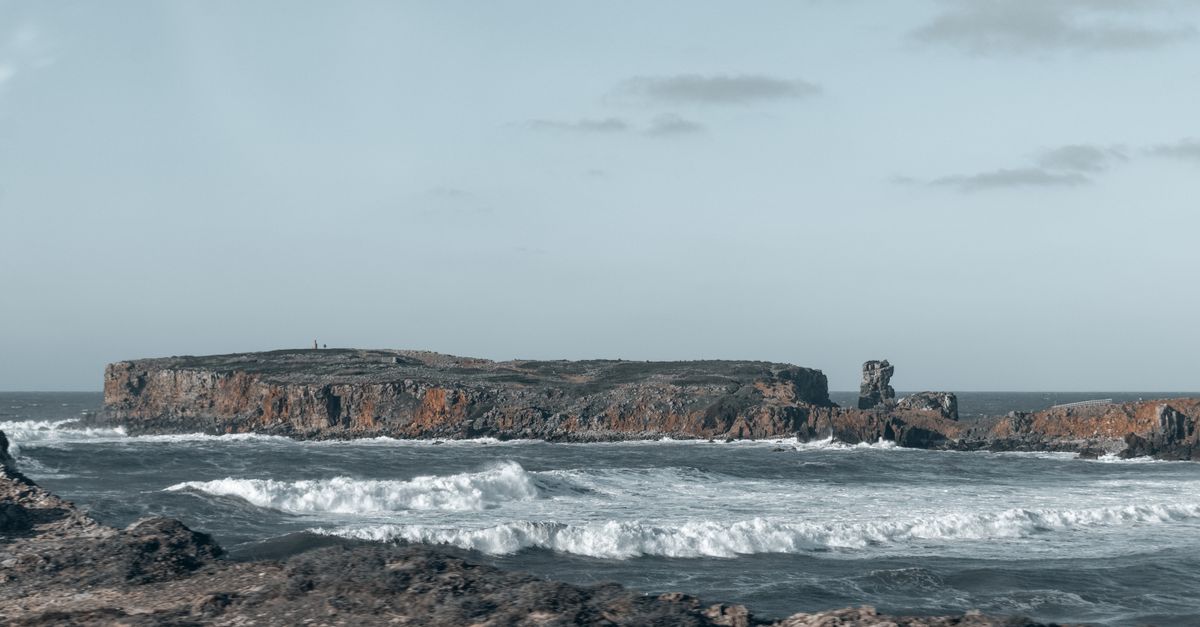
A functional fishing town and surf hub located on a rocky peninsula; site of a coastal fortress and the ferry terminal for the Berlengas nature reserve.

Aveiro
A flat canal city on a lagoon — art-nouveau façades, moliceiro boats, and a beach (Costa Nova) a short ride away.
Coimbra
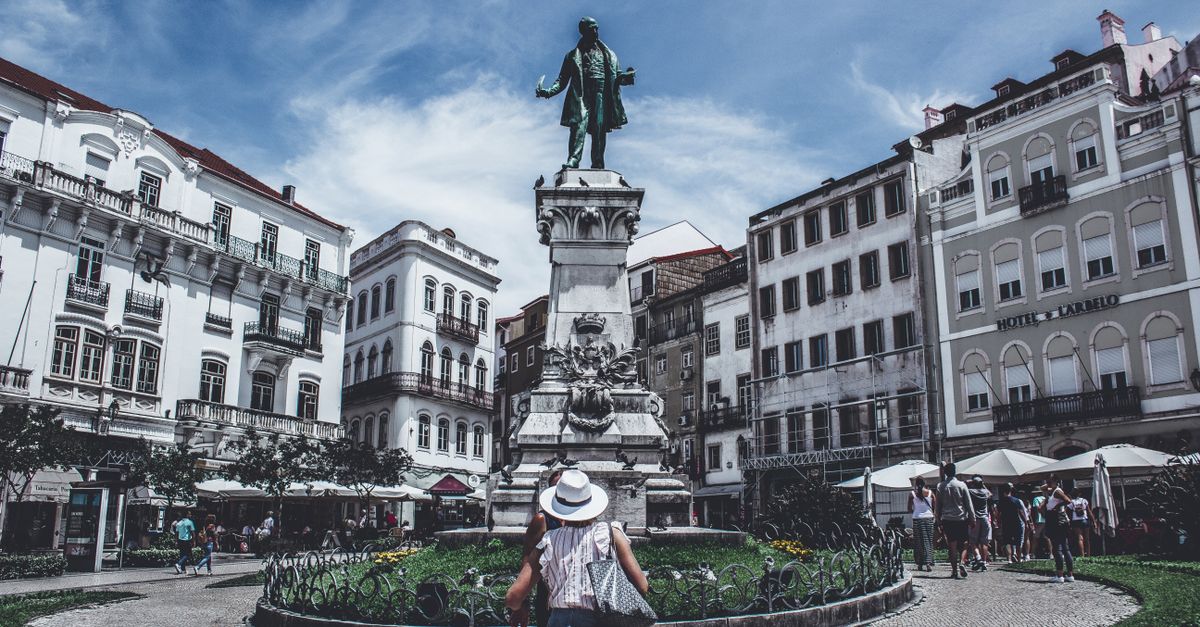
Portugal's medieval capital and university city — a steep, tiled old town above the Mondego, with a baroque library and fado of its own.

Monsanto
A granite village pinned between giant boulders — voted 'most Portuguese village' in 1938.
We may earn a commission from bookings made through these links. It never changes what we recommend, or what we leave out.