Óbidos
A perfectly walled medieval town — whitewashed houses, yellow and blue trim, and a castle you can stay in.
A classic, crowded day trip. Go early or late; don't overnight unless there's a festival.

Why go
One of the prettiest walled villages in Iberia, easy from Lisbon, with a walkable wall and a literary hotel (Manueline). Ginja chocolate cups are a ritual.
Why you might skip it
Very touristy by day; thin as an overnight unless you hit the Medieval Market or Christmas town.
What to do
Walk the walls, the main street, visit the castle, drink Ginja from a chocolate cup.
What to eat
Ginja; local pastries.
Where to stay
A day trip, not a bed. (Half a day)
Accommodations consist primarily of small guesthouses and boutique lodgings converted from traditional whitewashed homes. A historic pousada located within the castle grounds offers the highest price point and maximum proximity to the town’s primary landmark. Sleeping inside the walls provides quiet evenings once the final tour buses depart, though early mornings remain subject to delivery truck noise. Prices spike during seasonal festivals, with limited options available for those seeking modern hotel amenities.
Getting there & around
Train from Lisbon to Óbidos station.
The walled center of Óbidos functions entirely as a pedestrian zone. Streets consist of steep, uneven cobblestones ascending toward the castle gates. A large parking lot sits outside the southern ramparts, acting as the primary access point for both private cars and tourist coaches. The bus station is located near the town entrance, while the train station requires a fifteen-minute walk along the perimeter road. No motorized transport moves within the interior streets.
Common planning mistakes
Going midday in August; expecting depth beyond the walls.
Less ideal for
The uneven cobblestones create significant barriers for wheelchairs or strollers. The layout lacks flat ground, as every path involves inclines and stairs leading toward the castle summit. The town offers little to those seeking nightlife or extended multi-day activities, as the primary attractions reveal themselves within two hours. Heavy crowds during the afternoons make the narrow streets difficult for those preferring solitude, while the lack of diverse modern amenities limits the appeal for longer, more conventional vacations.
Practical notes
Cash remains necessary for smaller purchases, though digital payments are accepted in most established shops. The town maintains no formal siesta, but businesses often close their doors by sunset. The train station lies roughly two kilometers from the town walls, necessitating a walk along a roadside path. Market days typically occur monthly. Public restrooms are scarce outside of paid museum entrances or privately owned hospitality establishments located within the medieval enclosure.
What's here

Castelo de Óbidos
The Castelo de Óbidos sits on a hilltop enclosed by 14th-century stone walls, serving as the focal point of the town. The structure is one of the more intact examples of military architecture in the region and now functions as a hotel.

Igreja de Santa Maria
Located in the town of Óbidos, this church features 17th-century azulejos and the tomb of the Lord of the Manor.
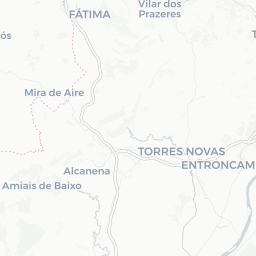
Where it sits




More places in Central Portugal


Batalha
A small town built around one of Portugal's greatest monuments — the Batalha Monastery.

Aveiro
A flat canal city on a lagoon — art-nouveau façades, moliceiro boats, and a beach (Costa Nova) a short ride away.
Coimbra
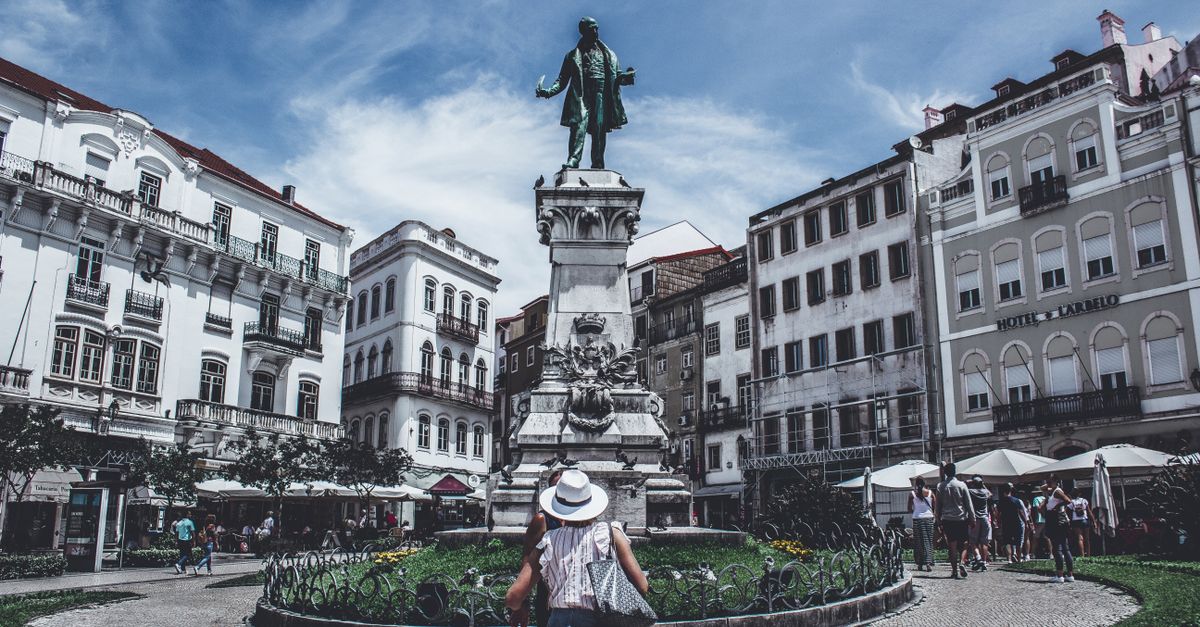
Portugal's medieval capital and university city — a steep, tiled old town above the Mondego, with a baroque library and fado of its own.

Monsanto
A granite village pinned between giant boulders — voted 'most Portuguese village' in 1938.

Piódão
A schist-village amphitheater of blue-grey stone houses in a remote Serra do Açor valley.
We may earn a commission from bookings made through these links. It never changes what we recommend, or what we leave out.