Igreja de Santa Maria
Situated in the heart of the walled town of Óbidos, this historic church is celebrated for its stunning 17th-century azulejos and the poignant tomb of the Lord of the Manor. It serves as a beautiful anchor for the town's religious architecture.
A mandatory stop for anyone wandering the cobblestones of Óbidos.

Why go
The interior is a masterclass in Portuguese Baroque aesthetics, with walls entirely lined in intricate blue-and-white tile panels depicting the life of the Virgin. The atmosphere is serene, offering a quiet respite from the bustling tourist corridors outside.
Why you might skip it
Those with little interest in religious art or ecclesiastical architecture may find it redundant compared to the many other churches in the region, especially during peak summer heat when the interior can get humid.
What to do
Focus on the blue-and-white azulejo cycles that cover the nave and inspect the masterful tomb sculpture of João de Noronha, a key historical figure in the region.
History & origin
Believed to have been founded by Queen Santa Isabel in the 13th century, the current structure is a blend of Renaissance and Baroque styles reconstructed after the 1535 earthquake.
Getting there & around
Located on the main square (Praça de Santa Maria) within the medieval town walls; vehicles are generally barred from the old town center.
The interior is small and navigable on foot; no ramps or complex layouts to manage.
Common planning mistakes
Skipping the church because it looks modest from the exterior or failing to look closely at the details of the painted tiles which often go unnoticed by casual passersby.
Less ideal for
Those with limited mobility, as the surrounding village streets are steep and uneven.
Practical notes
Respectful dress is requested; photography is generally permitted without flash. Opening hours can fluctuate, so confirm at the local tourism office if visiting on a Monday.
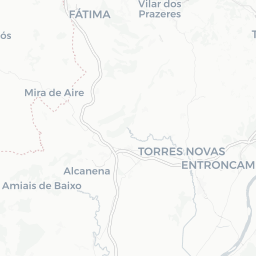
Where it sits