Praia da Foz do Arelho
Where the Óbidos lagoon meets the open Atlantic — calm lagoon water on one side, surf on the other, and a cliff bar above.
This versatile destination is essential for families and surfers alike, offering the unique choice between serene lagoon shallows and exhilarating Atlantic breaks.

Why go
Two beaches in one — a calm lagoon for children and a surf beach a few steps away, with sunset drinks on the cliff.
Why you might skip it
The area becomes overcrowded during July and August, leading to significant traffic congestion along the narrow approach roads. High winds frequently sweep across the coastline, creating uncomfortable conditions for those seeking a tranquil day on the sand. The water temperature of the open Atlantic side remains consistently cold throughout the year, which limits swimming for all but the most resilient. Public transportation options are absent, forcing a complete reliance on private vehicle access.
What to do
The landscape allows for a transition between two distinct aquatic environments. One side provides calm, shallow waters suited for wading or paddleboarding, while the northern side faces the open ocean with consistent Atlantic swells. The cliffside pathways offer views of the estuary and the coastline, and the wooden boardwalks provide elevated access to the sand. Several cafes and seafood restaurants line the perimeter, serving fresh catches and local beverages throughout the afternoon.
Getting there & around
Access requires a car; follow the N360 west from Caldas da Rainha to the coast. Parking is available along the lagoon front and near the surf beach, though spaces fill quickly during peak summer weekends.
Work out how Praia da Foz do Arelho connects to another stop
Common planning mistakes
The heavy traffic on the N360 often results in gridlock during mid-August weekends. Swimming in the channel between the ocean and the lagoon remains prohibited due to powerful rip currents that shift with the tides. Relying on public transit proves difficult as buses operate with limited frequency to this coastal location, often leaving passengers stranded after sunset.
Practical notes
The lagoon water remains significantly warmer than the ocean but is subject to strong currents near the inlet during tidal shifts. Lifeguard services operate during the primary summer season, designated by flags on the sand. Public restrooms and showers exist near the central parking areas, though maintenance varies. Wind speeds often increase significantly in the mid-afternoon, making beach umbrellas necessary for protection against blowing sand.
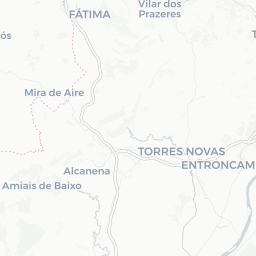
Where it sits




More beaches across Portugal

Costa da Caparica
A 30-km wall of sand and beach breaks south of Lisbon — the city's surf-and-sun capital, with beach bars from summer to the last warm October days.

Praia da Adraga
A wild cliff-backed beach on the Sintra coast, with a sea arch and a small waterfall.
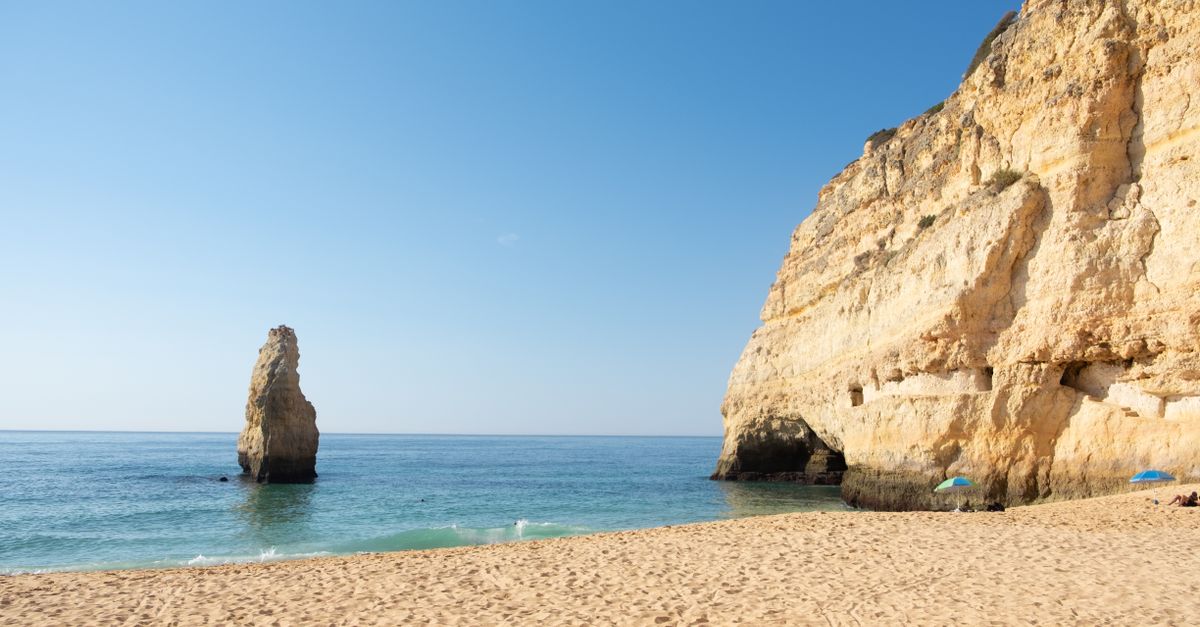
Praia da Armona
An empty barrier-island beach reached by ferry from Fuseta — miles of sand, no cars, and the Ria Formosa at your back.

Praia da Calheta
A golden sand bay on Madeira's south coast — imported sand, calm water, and the closest thing to a classic beach on the island.
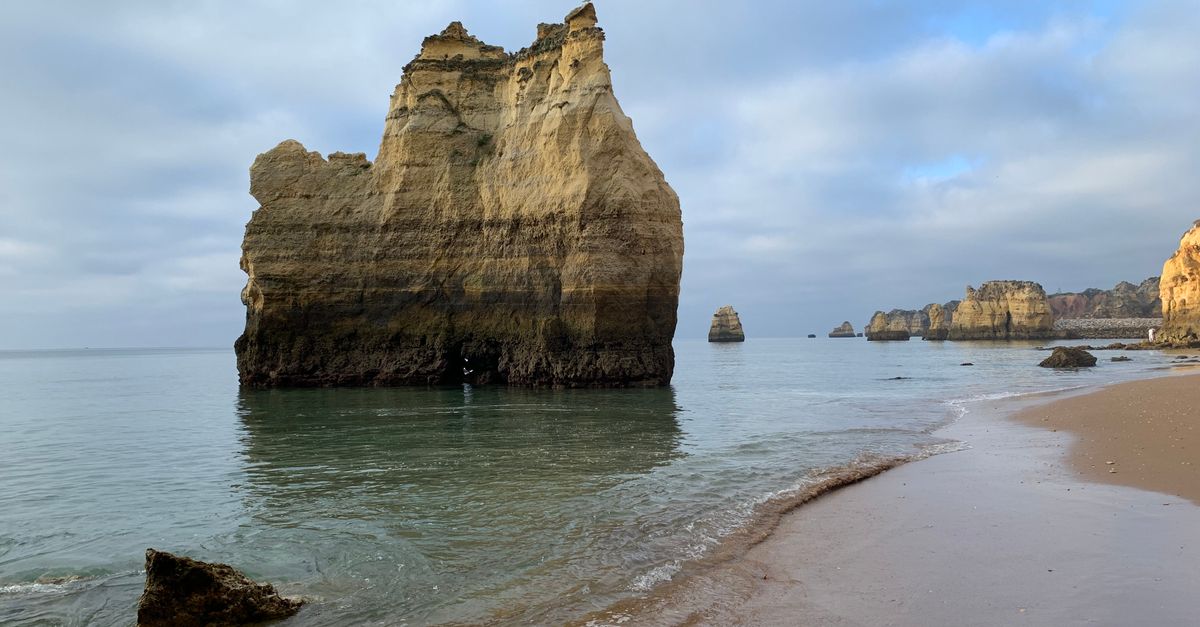
Praia da Falésia
Six kilometers of golden cliff-backed sand between Albufeira and Vilamoura.

Praia da Galé
A wild Atlantic stretch in the Southwest Alentejo park — broad, empty, and the start of the Fishermen's Trail scenery.
We may earn a commission from bookings made through these links. It never changes what we recommend, or what we leave out.