Praia de Costa Nova
Striped candy-striped houses front a wide Atlantic beach at the mouth of the Aveiro lagoon — Portugal's most photogenic fishing village.
Essential for photography enthusiasts and beach walkers, the candy-striped charm of Costa Nova justifies a detour for anyone traveling along the central coastline.

Why go
The striped palheiros, the lagoon on one side and ocean on the other, and a long flat beach for walking for hours.
Why you might skip it
The proximity to industrial infrastructure and the busy lagoon channel creates a persistent backdrop of noise that disrupts the quiet of the Atlantic surf. The popularity of the area results in dense crowds that overwhelm the narrow boardwalks during peak daylight hours. Those seeking secluded wild beaches find the suburban character of the village and the heavy traffic of the main coastal road a distraction from the natural landscape.
What to do
Photography of the palheiros occupies the primary attention of observers, as the vertical stripes of these historic wooden structures contrast against the sand dunes. Boardwalks provide stable passage across the fragile dune system to the beach. A walk along the Ria de Aveiro reveals the calm waters of the lagoon, where traditional moliceiro boats navigate the channels, offering a distinct visual experience compared to the high-energy surf of the ocean side of the peninsula.
Getting there & around
Costa Nova is 10 kilometers west of Aveiro. Regular buses connect the village to the Aveiro train station, but a car provides the most flexibility for exploring the lagoon perimeter. Parking fills quickly on summer weekends, requiring a short walk from the outskirts of the main strip.
Common planning mistakes
The narrow parking zones fill rapidly, leaving vehicles stranded on the outskirts of the primary district during summer weekends. A reliance on high-tide windows limits the available surface area for walking, as the water reaches the base of the dunes. Ignoring the wind speed often results in a premature end to outdoor sessions, as the coastal breeze remains persistent throughout the afternoon across the exposed sand dunes.
Practical notes
Costa Nova sits ten kilometers west of Aveiro, accessible via the N327. Public bus services operate on fixed schedules connecting the village to the central train station in Aveiro. Parking is concentrated in paved zones adjacent to the residential strip and fills entirely by mid-morning on weekends. Pedestrians access the beach exclusively through designated wooden boardwalks to protect the sensitive vegetation of the sand dunes, which prevents erosion and maintains the stability of the coastal buffer.
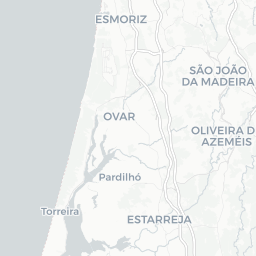
Where it sits






More beaches across Portugal

Costa da Caparica
A 30-km wall of sand and beach breaks south of Lisbon — the city's surf-and-sun capital, with beach bars from summer to the last warm October days.

Praia da Adraga
A wild cliff-backed beach on the Sintra coast, with a sea arch and a small waterfall.
Praia da Armona
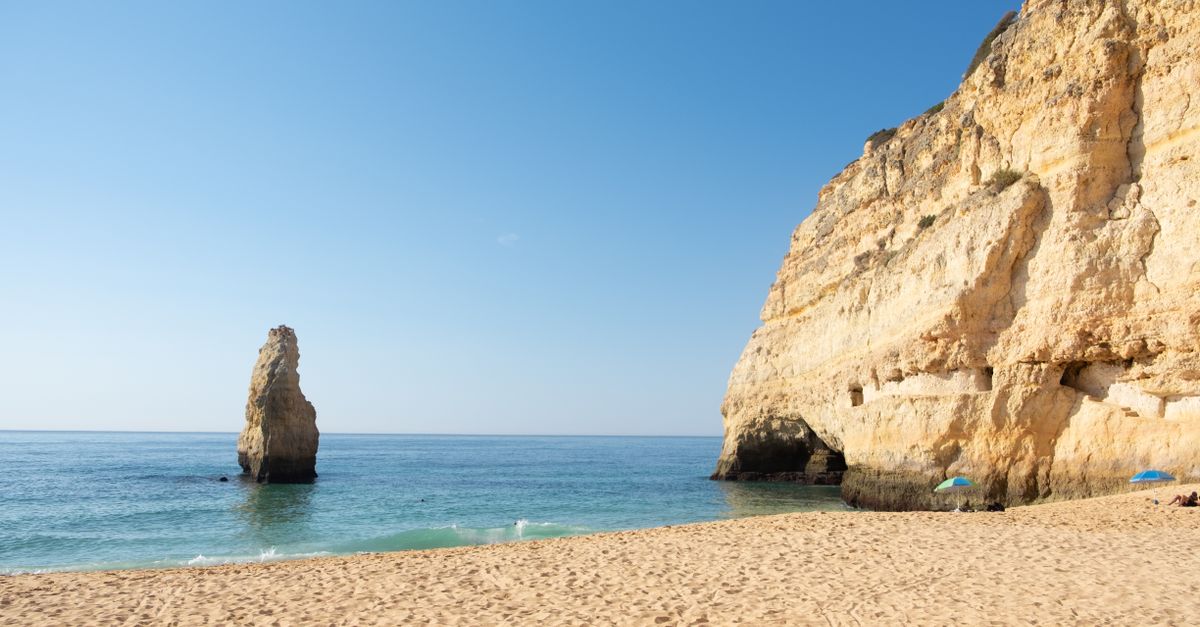
An empty barrier-island beach reached by ferry from Fuseta — miles of sand, no cars, and the Ria Formosa at your back.

Praia da Calheta
A golden sand bay on Madeira's south coast — imported sand, calm water, and the closest thing to a classic beach on the island.
Praia da Falésia
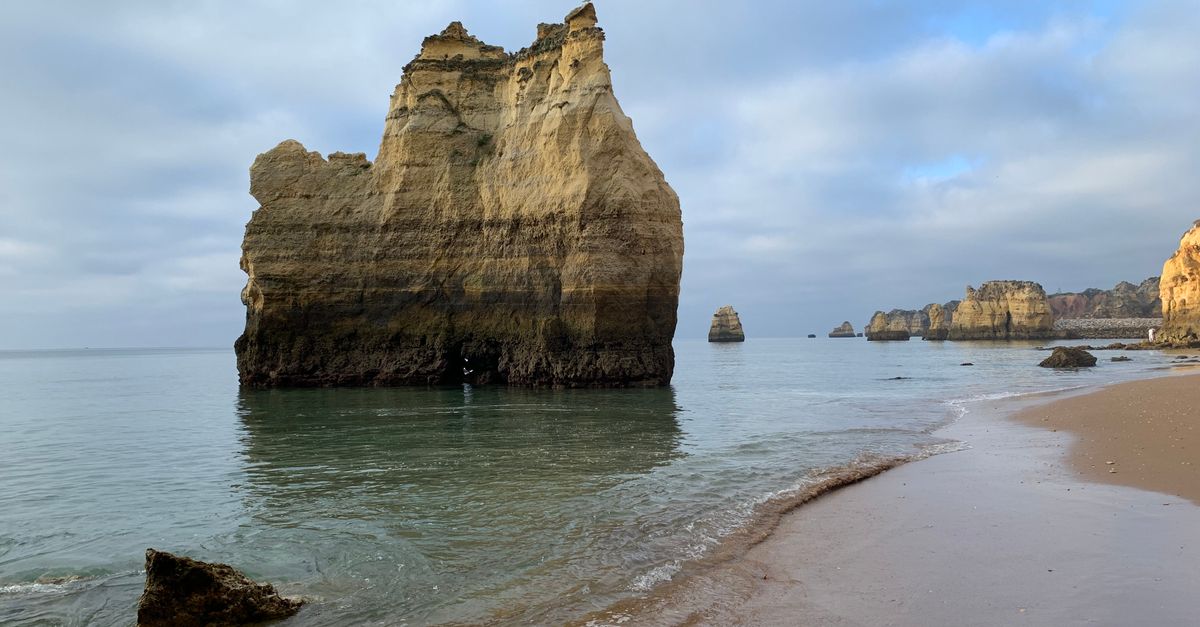
Six kilometers of golden cliff-backed sand between Albufeira and Vilamoura.

Praia da Galé
A wild Atlantic stretch in the Southwest Alentejo park — broad, empty, and the start of the Fishermen's Trail scenery.
We may earn a commission from bookings made through these links. It never changes what we recommend, or what we leave out.