Museu de Aveiro
Housed within the 15th-century Convent of Jesus, this museum offers an exquisite look at religious art, gilded woodcarvings, and the life of Princess Saint Joana. It stands as the definitive cultural anchor of Aveiro, showcasing the city's profound monastic heritage.
A mandatory stop for anyone seeking to understand the opulent artistic history behind Aveiro's religious identity.

Why go
The museum is a masterclass in Baroque excess, featuring the stunning tomb of Princess Saint Joana, which is a triumph of inlaid marble. Walking through the cloistered spaces and the opulent chapel allows visitors to experience the contrast between the austere lives of the Dominican nuns and the breathtaking artistry they curated over centuries.
Why you might skip it
Those uninterested in religious history or ecclesiastical art may find the repetitive nature of the liturgical displays tedious. If your primary goal in Aveiro is strictly focused on the canal boats and beach culture, this site may feel like a low-priority indoor excursion.
What to do
Focus on the gilded woodwork in the church interior and the intricate tile panels that document the convent’s history. Do not miss the small but significant collection of jewelry and paintings dedicated to Saint Joana, whose presence shaped the city's historical narrative.
History & origin
Founded in 1461, the convent gained status when Princess Joana, daughter of King Afonso V, joined the order in 1472. Her residence there and subsequent beatification cemented the site as a place of royal pilgrimage and high-status religious artistic patronage for the ensuing centuries.
Getting there & around
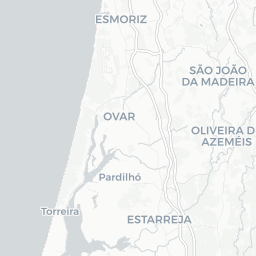
Located in the heart of Aveiro, it is a 15-minute walk from the Aveiro train station or a short taxi ride from the regional bus terminal.
The museum is contained within a historic building; navigation is straightforward through signed hallways and repurposed convent chambers.
Common planning mistakes
Many visitors arrive too late in the day and find themselves rushed; because the building is expansive and dense with detail, it requires more time than typical local galleries.
Less ideal for
Visitors with limited mobility who may struggle with some historic stone flooring, or those who find religious iconography monotonous.
Practical notes
Closed on Mondays. Check official Aveiro tourism portals for updated holiday hours. Photography is generally permitted without flash, but be respectful of the sacred nature of the chapel area.
Where it sits