Tomar
A Templar city on the Nabão — the Convent of Christ is one of Portugal's most extraordinary monuments.
A rewarding day trip for history travelers; the convent alone justifies the journey.

Why go
The Convent of Christ (a Templar round church with a 16th-century Manueline window), the wooded Mata dos Sete Montes, and a pleasant riverside town.
Why you might skip it
A detour from the coast; thin if you're not into history.
What to do
Convent of Christ, the Templar castle, Mata dos Sete Montes, the old bridge and synagogue.
What to eat
Regional Beira cooking; local pastries (fatias de Tomar).
Where to stay
A day trip, not a bed. (Day trip)
Guesthouses lining the Rua Serpa Pinto offer proximity to central landmarks and transit lines. Noise levels rise in these dwellings during evening hours due to the narrow street acoustics. Boutique hotels occupy renovated buildings near the river, providing quieter surroundings at a higher price point. Accommodations located further from the historic center offer more modern amenities but necessitate longer walks. Selection depends on the preference for central history versus a quieter retreat on the town periphery.
Getting there & around
Train from Lisbon.
The city center occupies a flat grid navigable entirely on foot within twenty minutes. Steep inclines exist between the historic core and the Convent of Christ, requiring a steady fifteen-minute uphill climb. Public bus lines connect the outskirts to the town center but offer limited frequency. Parking remains scarce in the medieval quarters, with free long-term spots located near the Nabão river banks. Vehicles provide the most efficient transit for reaching outlying historical sites like the Aqueduto dos Pegões.
Common planning mistakes
The underestimation of the Convent of Christ size leads to insufficient scheduling. The structure demands several hours for a full traversal of its cloister and chapter house. Failure to confirm opening hours results in arrivals during Monday closures or seasonal schedule adjustments. Some itineraries allocate only one hour for the town, ignoring the dense historical layers found in the Jewish Quarter and the local museum displays, leaving little time for the walk toward the elevated castle walls.
Less ideal for
The steep incline to the Convent of Christ presents a significant barrier for those with mobility limitations. The town provides little for those interested in nightlife, contemporary art, or diverse urban shopping experiences. The architecture focuses heavily on a singular period, which may not appeal to those looking for a broader range of cultural experiences. Limited public transit in the surrounding rural areas makes the town less suitable for those without a private vehicle.
Practical notes
The train station sits approximately one kilometer from the city center, accessible via a ten-minute walk along the main avenue. Cash remains necessary for small purchases at local cafes and neighborhood shops. Business hours often include a mid-afternoon closure between one and three o'clock, especially for independent boutiques. The municipal market operates weekly, featuring agricultural goods from the surrounding Ribatejo plains, though major supermarkets remain positioned on the town periphery.
What's here
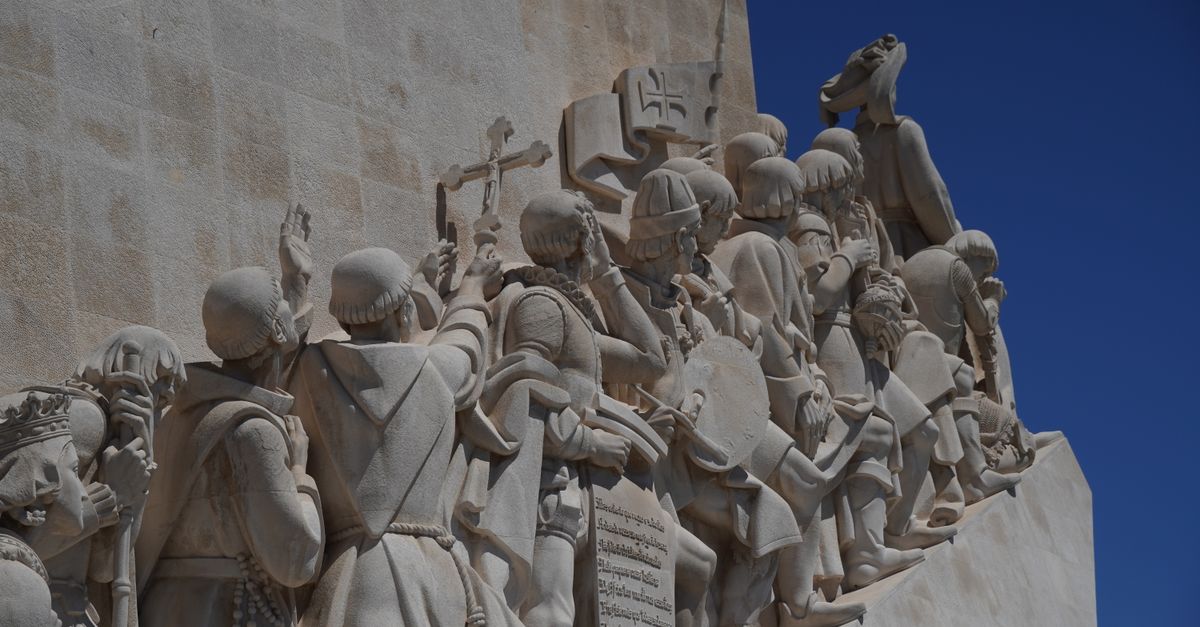
Festa dos Tabuleiros (Tomar)
The Festa dos Tabuleiros is a quadrennial event in Tomar dedicated to the Holy Spirit, centered on a procession of women balancing flower-laden headdresses topped with bread. It is a regional folk tradition occurring every four years.

Convento de Cristo
The Convento de Cristo in Tomar is a sprawling, UNESCO-listed complex that served as the headquarters for the Knights Templar. It incorporates Romanesque, Gothic, Manueline, and Renaissance styles.

Castelo de Tomar
The Convento de Cristo in Tomar is a monastic complex that functioned as the headquarters for the Knights Templar. The architecture tracks the transition through Romanesque, Gothic, Manueline, and Renaissance periods.
Where it sits


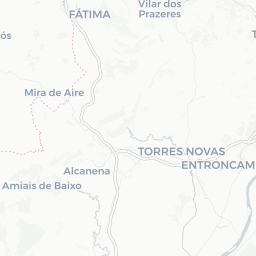


More places in Central Portugal

Aveiro
A flat canal city on a lagoon — art-nouveau façades, moliceiro boats, and a beach (Costa Nova) a short ride away.
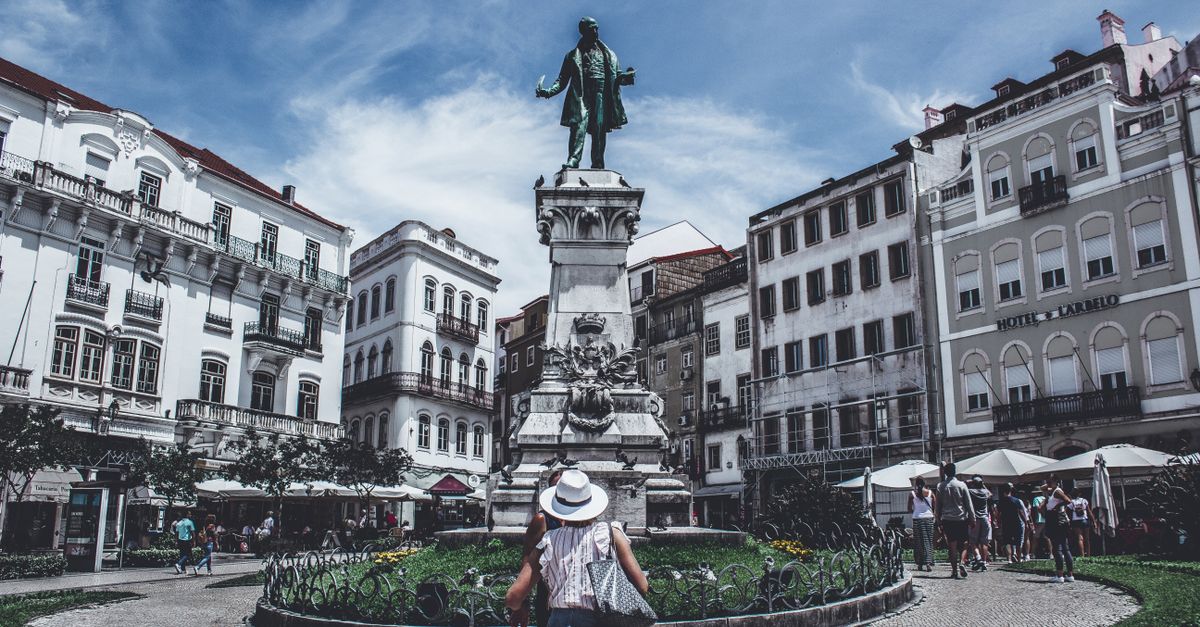
Coimbra
Portugal's medieval capital and university city — a steep, tiled old town above the Mondego, with a baroque library and fado of its own.


Batalha
A small town built around one of Portugal's greatest monuments — the Batalha Monastery.

Monsanto
A granite village pinned between giant boulders — voted 'most Portuguese village' in 1938.

Nazaré
A fishing town turned big-wave legend — the Sitio clifftop, giant surf at Praia do Norte, and a working beach below.
We may earn a commission from bookings made through these links. It never changes what we recommend, or what we leave out.