Santuário de Nossa Senhora da Nazaré
Located on the clifftop of Sítio, the Santuário de Nossa Senhora da Nazaré dates to the 17th century and serves as the site of the D. Fuas Roupinho legend. It overlooks the North Beach surf breaks.
A record of Portuguese religious architecture that warrants a stop while in the Sítio district.

Why go
The interior contains 17th-century tile work and a gilded Baroque altarpiece housing the Virgin Mary. The site sits adjacent to a cliff edge overlooking the Atlantic coastline.
Why you might skip it
Those indifferent to religious architecture or historical interiors may prefer to bypass the church in favor of the coastal viewpoints nearby.
What to do
Examine the blue-and-white tile panels depicting biblical scenes and the wood-carved altar. Move to the adjoining overlook to view the coastline.
History & origin
Tradition dates the shrine to a 1182 miracle involving the knight D. Fuas Roupinho on the cliff edge. The present building replaced medieval foundations during the 17th century.
Getting there & around
Situated in Sítio, above the lower town of Nazaré. Use the funicular, taxi, or car.
The site is compact, centered on the Sítio square, and limited to foot traffic.
Work out how Santuário de Nossa Senhora da Nazaré connects to another stop
Common planning mistakes
Staying only in the lower beach town and omitting the funicular ride to the historic Sítio district.
Less ideal for
Visitors who have difficulty navigating uneven stone pavements.
Practical notes
The sanctuary is typically open daily. Photography without flash is generally allowed. The square features steep, uneven cobblestones.
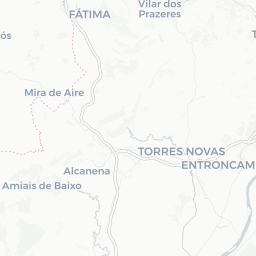
Where it sits


More history in Central Portugal

Alcobaça Monastery
Portugal's largest church and the purest Cistercian abbey in the country, founded 1153.

Batalha Monastery
The Manueline-Gothic monastery of Santa Maria da Vitória, built to thank God for a battle won in 1385.

Carnaval de Torres Vedras
Carnaval de Torres Vedras ignores conventional stage-based parades in favor of a satirical street party. The event is characterized by the Matrafonas, men wearing improvised female costumes, and a focus on chaotic public interaction.

Castelo de Monsanto
Built into a granite mountain, the ruins of Castelo de Monsanto overlook the plains extending toward the Spanish border. The site features the remains of defensive walls and a layout dictated by the rock formations.

Castelo de Óbidos
The Castelo de Óbidos sits on a hilltop enclosed by 14th-century stone walls, serving as the focal point of the town. The structure is one of the more intact examples of military architecture in the region and now functions as a hotel.

Castelo de Tomar
The Convento de Cristo in Tomar is a monastic complex that functioned as the headquarters for the Knights Templar. The architecture tracks the transition through Romanesque, Gothic, Manueline, and Renaissance periods.
We may earn a commission from bookings made through these links. It never changes what we recommend, or what we leave out.