Entrudo de Lazarim
Entrudo de Lazarim is a Carnival celebration based on alder-wood devil masks and public reading of satirical poetry. It centers on the craft of local mask-makers in a rural village setting.
Lazarim offers a pagan-rooted, unpolished alternative to standard Carnival. It requires a detour to the Lamego region and caters to those interested in specific folk traditions.
Why go
The event centers on the reading of satirical poems—the 'leitura do testamento'—where community members use masked characters to mock local societal norms. The primary focus is the alder-wood masks, carved by hand in local workshops using pre-industrial techniques.
Why you might skip it
Travelers looking for large-scale parades, temperate weather, or established visitor infrastructure will find the village festival conditions rustic and cold.
What to do
Observe the 'Caretos' in wooden masks roaming the streets, listen to the public reading of the testaments, and visit the Centro Interpretativo da Máscara Ibérica to examine the mask-making process.
What to eat
Feijoada de sarrabulho and heavy rustic breads are common, typically paired with Dão or Douro red wines.
History & origin
The roots of the festival are pagan, centered on themes of fertility and social reversal. The tradition is maintained by Lazarim residents who continue to hand-carve masks from local wood as a component of community identity.
Getting there & around
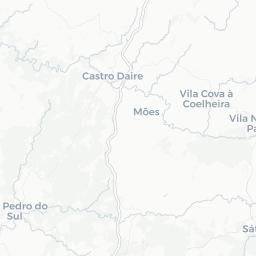
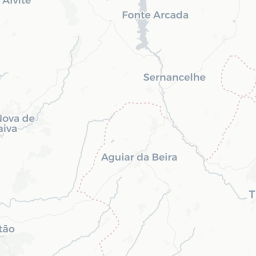
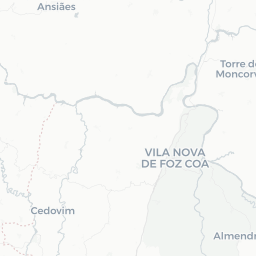
Lazarim is located roughly 15 kilometers south of Lamego. A car is necessary to reach the village, as public transport is limited to irregular regional bus services. Parking is confined to the village periphery; expect to walk narrow, steep lanes into the center once you arrive.
Common planning mistakes
Treating the event as a standard street party; it is a localized social ritual where observers should maintain distance despite the behavior of the participants.
Less ideal for
Those seeking luxury or those uncomfortable with aggressive, satirical performance art.
Practical notes
Wear layers and sturdy footwear for uneven cobblestones; book accommodation in Lamego well in advance.
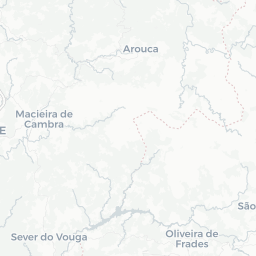
Where it sits



More history in Central Portugal

Alcobaça Monastery
Portugal's largest church and the purest Cistercian abbey in the country, founded 1153.

Batalha Monastery
The Manueline-Gothic monastery of Santa Maria da Vitória, built to thank God for a battle won in 1385.

Carnaval de Torres Vedras
Carnaval de Torres Vedras ignores conventional stage-based parades in favor of a satirical street party. The event is characterized by the Matrafonas, men wearing improvised female costumes, and a focus on chaotic public interaction.

Castelo de Monsanto
Built into a granite mountain, the ruins of Castelo de Monsanto overlook the plains extending toward the Spanish border. The site features the remains of defensive walls and a layout dictated by the rock formations.

Castelo de Óbidos
The Castelo de Óbidos sits on a hilltop enclosed by 14th-century stone walls, serving as the focal point of the town. The structure is one of the more intact examples of military architecture in the region and now functions as a hotel.

Castelo de Tomar
The Convento de Cristo in Tomar is a monastic complex that functioned as the headquarters for the Knights Templar. The architecture tracks the transition through Romanesque, Gothic, Manueline, and Renaissance periods.
We may earn a commission from bookings made through these links. It never changes what we recommend, or what we leave out.