Sé Velha de Coimbra
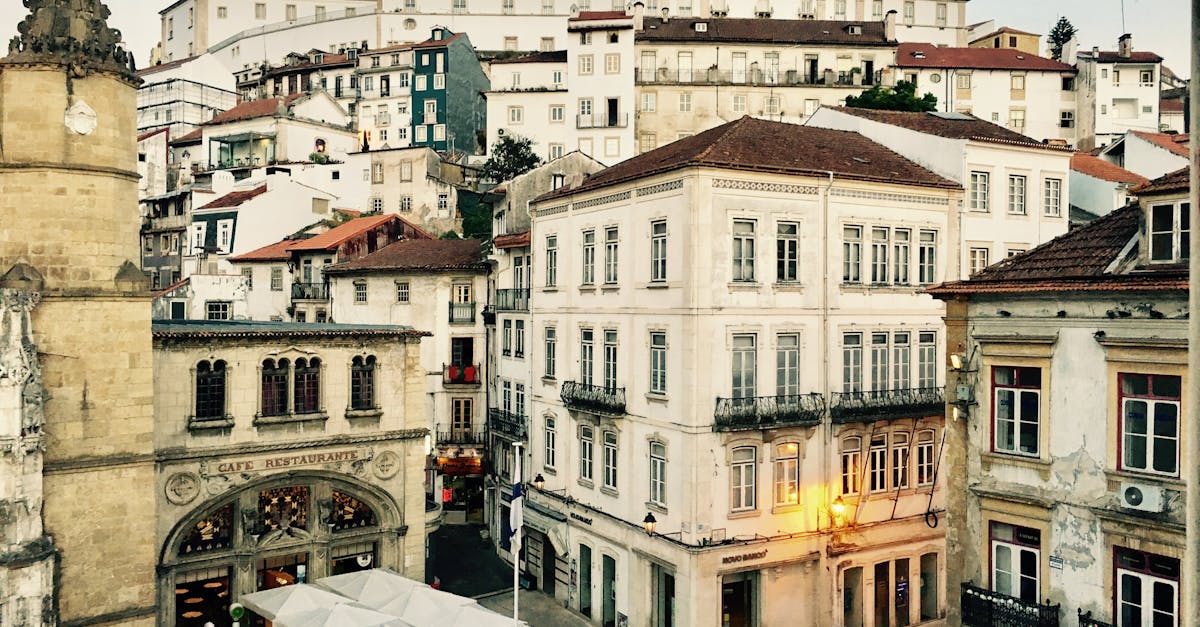
The Sé Velha is a formidable fortress-like cathedral that stands as one of the finest examples of Romanesque architecture in Portugal. Perched atop the steep streets of Coimbra, its austere design and well-preserved cloister offer a profound link to the city's medieval heritage.
The most atmospheric and historically significant landmark in Coimbra's historic center.
Why go
Visitors should prioritize the Sé Velha for its imposing defensive facade, which feels more like a castle than a traditional church, and its quiet, harmonious Romanesque cloister. The interior retains a somber, authentic dignity that contrasts sharply with the gilded opulence of later Baroque cathedrals.
Why you might skip it
Travelers with limited mobility should be wary; the cathedral is situated at the top of a very steep, cobblestoned climb from the riverfront that can be physically demanding. Those primarily seeking ornate, flashy interiors may find the Romanesque austerity too plain.
What to do
Admire the fortress-like exterior before heading inside to study the unique Romanesque capitals and the intricate, Renaissance-era gilded altarpiece. Be sure to spend time in the cloister, a quintessential space of medieval tranquility.
History & origin
Commissioned by King Afonso Henriques in the mid-12th century, the cathedral was built to showcase the power of the nascent Portuguese kingdom. Its design reflects a transition between military defensive architecture and religious function, remaining largely unchanged despite subsequent centuries of architectural trends.
Getting there & around
Located in the Alta district; arrive by train at Coimbra-A station followed by a challenging uphill walk through the historic center.
The site is compact and easily explored on foot; the interior and the adjoining cloister are level once inside.
Common planning mistakes
Many visitors mistakenly confuse the older Sé Velha with the grand, Jesuit-built Sé Nova (New Cathedral) nearby. Additionally, attempting to drive to the entrance is a mistake due to extremely narrow streets and zero public parking.
Less ideal for
Travelers with severe mobility issues or those who dislike steep hill walking.
Practical notes
Tickets are required for entry to the church and cloister. Photography is generally permitted without flash. Note that the climb to the cathedral is steep and requires sturdy footwear.
Where it sits


