
Trip Anchor
Island· Azores
São Miguel
The largest Azores island — twin crater lakes, hot springs, tea plantations, and the only island most travelers see. Rightly so.
10–14 days · themed road trip
The Azores require a disciplined itinerary to navigate the archipelago's fragmented geography. Focus on three to four islands over 14 days to avoid spending the duration of your trip waiting at gates in the Ponta Delgada airport.

Start with São Miguel, the primary logistical hub, before taking regional flights to the Central Group: Pico, Faial, and Terceira. The triangle between Pico, Faial, and São Jorge is serviced by frequent ferries, making it the most logical cluster for island-hopping without relying on small, weather-dependent planes. Terceira functions best as a standalone stop before heading home.
Ten days is the functional minimum for three islands; fourteen allows for the inevitable flight delays caused by low-altitude fog. Rental cars are non-negotiable on every island. Roads on São Miguel are wide and well-marked, but the secondary routes on Pico are narrow and demand constant attention. Do not attempt to rely on public transit or taxis for inter-village exploration.
Pico remains the destination for serious hiking, specifically the climb to the summit of the volcanic mountain. Faial serves as a maritime stopover with Horta functioning as the central social point. São Miguel offers the highest density of geothermal activity, specifically in Furnas, though it is far more populated and crowded than the western or central islands. Skip the more remote, smaller islands if your timeline is strictly capped at ten days.
SATA Air Açores flights are frequently grounded by visibility issues, regardless of the season. Always build a buffer day into your itinerary before international connections. The Atlantic climate is fickle; a forecast for sun in Ponta Delgada does not guarantee clear skies over the mountains of Pico. Pack waterproof layers and expect to alter plans on short notice.
The largest Azores island — twin crater lakes, hot springs, tea plantations, and the only island most travelers see. Rightly so.

The mountain island — Portugal's highest peak, vineyards grown in black lava, and a wild, black-rock coast. The Azores for the adventurous.
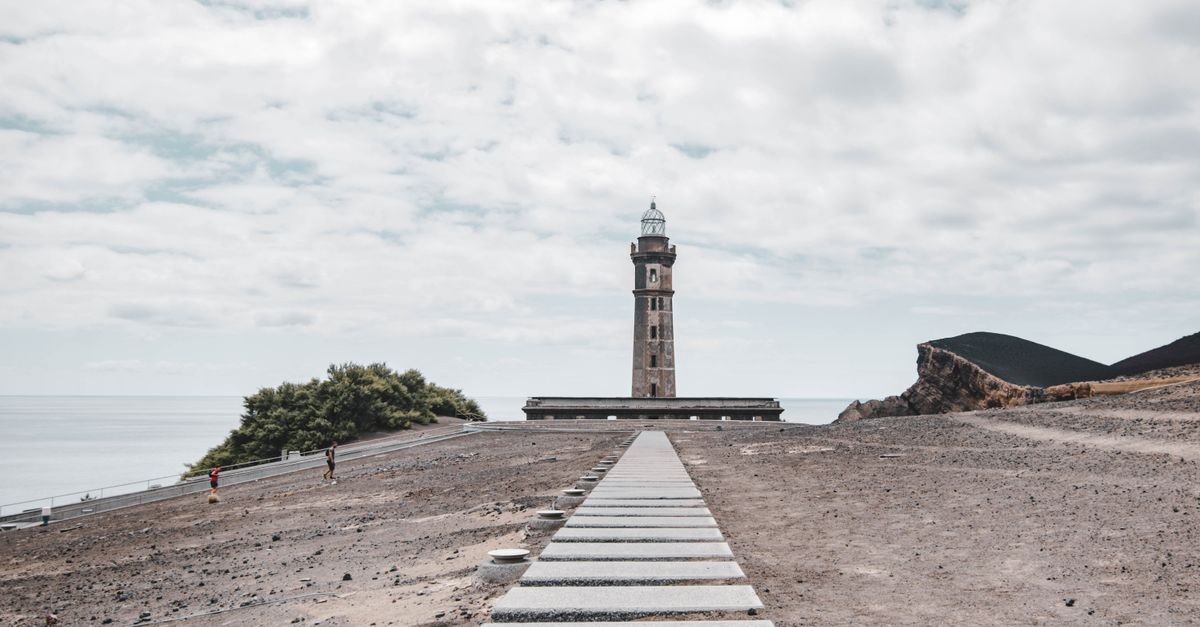
The blue island defined by a deep central caldera, the lunar landscape of the Capelinhos volcano, and a yachting hub in Horta.

The festive island — a UNESCO old town (Angra do Heroísmo), a huge volcanic cave, and the bull-running culture of the Azores.

Nine volcanic islands in the mid-Atlantic — calderas, crater lakes, whales, hot springs, and green so green it has its own color ('azul').