Azores
Nine volcanic islands in the mid-Atlantic — calderas, crater lakes, whales, hot springs, and green so green it has its own color ('azul').
A trip anchor for nature travelers. Don't treat it as one destination — pick your islands.

Why go
Sete Cidades and Lagoa do Fogo crater lakes, whale watching, volcanic hot springs (Furnas, Caldeira Velha), Laurisilva, vineyards grown in lava (Pico), and a wild, unspoiled feel. The greenest place in Europe.
Why you might skip it
Far (4–5h flight from Lisbon); weather changes fast; not a beach destination; inter-island travel takes time.
What to do
São Miguel crater lakes and hot springs, Pico's volcano climb, Faial's Caldeira, whale watching, Pico wine vineyards, Velas on São Jorge.
What to eat
Cozido das Furnas (stew cooked in volcanic heat), lapas, local cheeses, pineapple, Azorean wine.
Where to stay
One base per island; quintas and rural guesthouses.
Getting there & around
Fly to São Miguel (PDL) or Terceira; inter-island flights.
Car per island; ferries between close islands (Pico–Faial).
Common planning mistakes
Trying to do all nine islands in a week; expecting hot weather; skipping São Miguel's interior.
Less ideal for
Beach seekers; nightlife travelers; those who want guaranteed sun.
What's here
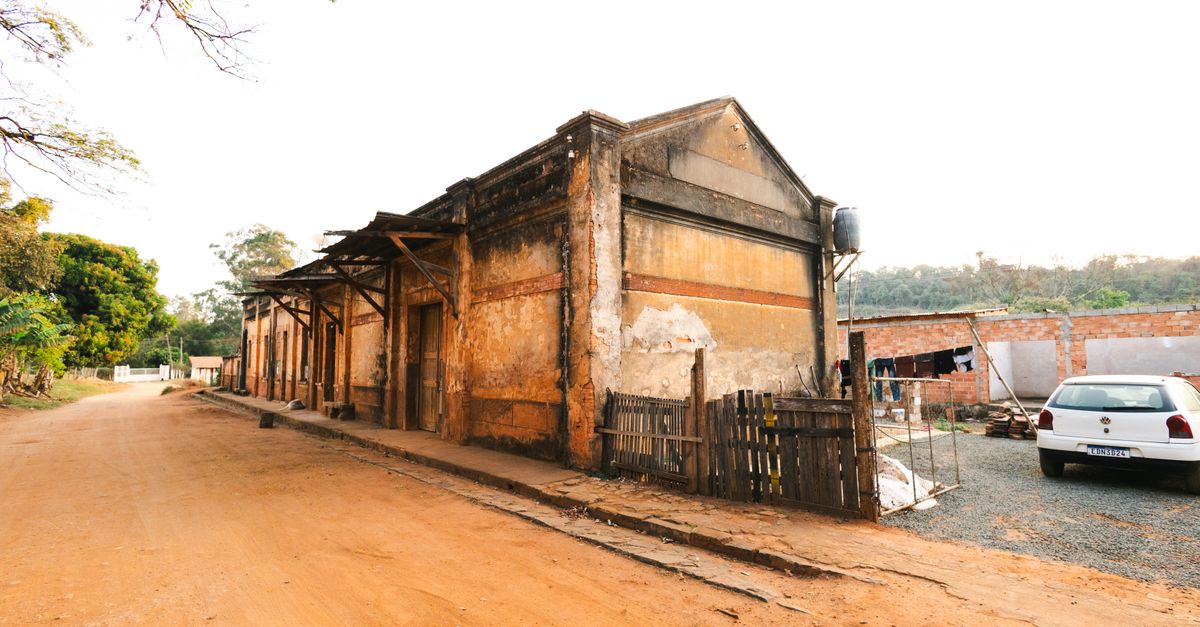
Festas do Espírito Santo
The Festas do Espírito Santo are the defining cultural tradition of the Azores, involving elaborate community-led processions and charitable feasts centered around ornate 'impérios' chapels. It is a profound, living expression of Azorean social cohesion and religious devotion that remains largely untouched by mass tourism.

Furna do Enxofre
Furna do Enxofre is a stunning, cathedral-like volcanic lava tube located within the caldera of Graciosa island. It remains one of the Azores' most impressive geological monuments, characterized by its massive vaulted ceiling and an subterranean sulfurous lake.


Lapas Grelhadas
Grilled limpets with garlic butter — the Azores' simplest, most island-Atlantic snack.


Massa Sovada
Sweet bread with a halo — the Azores' round, egg-enriched loaf, the centre of the Holy Ghost festival.


Cracas
Barnacles picked from the rocks and eaten raw or briefly cooked — the Azores' most hardcore seafood snack.

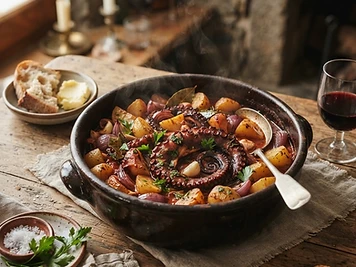
Polvo à Moda dos Açores
Octopus slow-cooked in red wine and Azorean spices — the islands' deep, cold-weather octopus stew.

Azores Wine Company
The pioneering Pico estate of winemakers António Maçanita and Filipe Cardoso, reviving serious winemaking on the volcanic island with taut, mineral whites from Arinto and Verdelho grown in the UNESCO basalt vineyards.

Biscoitos Vineyards
A small, traditional wine region on the north coast of Terceira island — the Biscoitos currais, basalt-pen vineyards growing Verdelho for the island's distinctive whites and reds; a tiny cooperative keeps the tradition alive.

Azores
A volcanic archipelago wine region across nine islands, defined by the UNESCO basalt-pen vineyards of Pico, where Arinto, Verdelho and Terrantez make taut, mineral wines from some of the most extreme terroir on earth.

Pico Vineyards (Currais)
A UNESCO World Heritage cultural landscape — a strip of vineyard on Pico's lava-rock coast, where vines are grown in tiny walled basalt pens (currais) that protect them from wind and salt. A landscape to visit, not just taste.

Praia do Pópulo
São Miguel's closest sand to Ponta Delgada — a black-volcanic bay with a seaside promenade and the calmest water on the island's south coast.

Praia de Santa Bárbara
São Miguel's main sandy beach on the north coast — long, black-grey volcanic sand, and a known surf break.


São Miguel
The largest Azores island — twin crater lakes, hot springs, tea plantations, and the only island most travelers see. Rightly so.

Pico
The mountain island — Portugal's highest peak, vineyards grown in black lava, and a wild, black-rock coast. The Azores for the adventurous.
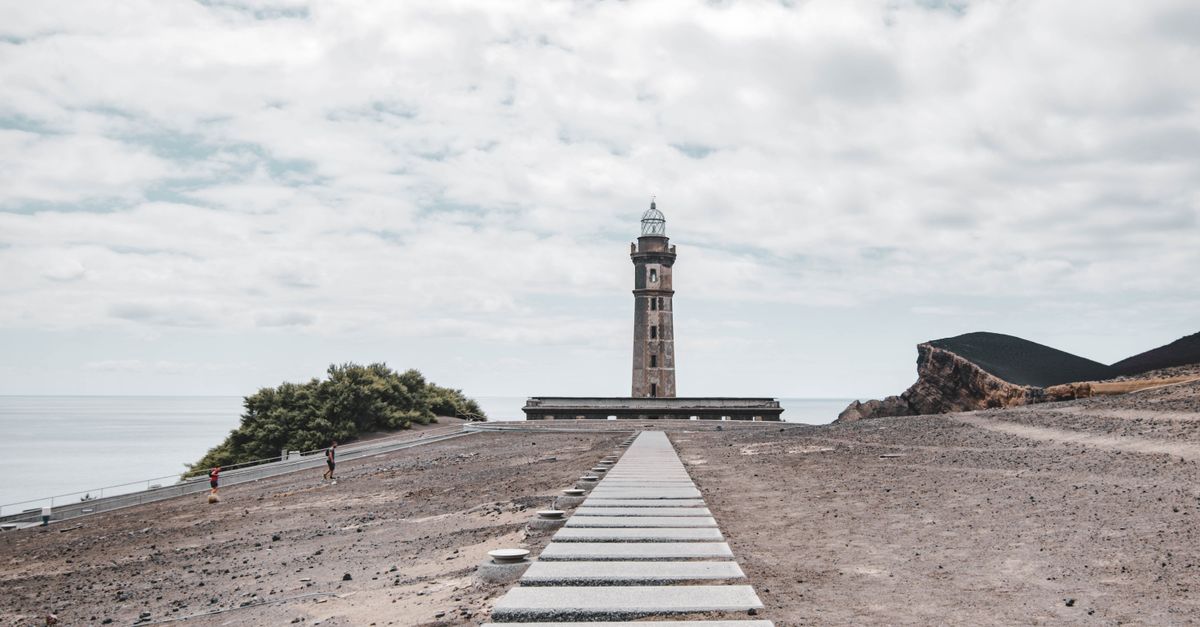
Faial
The blue island — a vast caldera, a black volcanic cape, and Horta's legendary yachting marina and painted murals.

Terceira
The festive island — a UNESCO old town (Angra do Heroísmo), a huge volcanic cave, and the bull-running culture of the Azores.
Where it sits