Polvo à Moda dos Açores
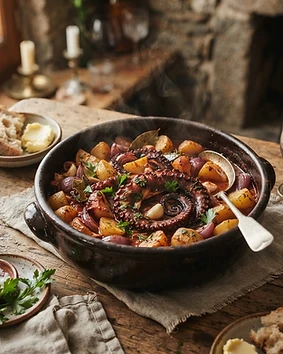
Octopus slow-cooked in red wine and Azorean spices — the islands' deep, cold-weather octopus stew.
A slow-simmered masterpiece that transforms the tough octopus into a tender, wine-soaked delight. It is the islands' answer to comfort food.
It showcases the sophisticated use of spices and red wine, proving that Azorean cuisine is more than just raw seafood.
Where it comes from
This dish is the product of the historical trade routes that brought wine and exotic spices into the archipelago. Traditionally cooked in clay pots, the recipe was a way to elevate the common octopus catch into a dish suitable for feasts and Sunday dinners. Each village maintains a slight variation, often depending on the specific blend of spices passed down through families.
The dish
The octopus is braised for hours until it is meltingly soft, submerged in a thick sauce of onions, garlic, and local wine. The dish is complex, layering the sweet salinity of the mollusk with the sharp brightness of the wine-based reduction.
Key ingredients
- 01Octopus
- 02Red wine
- 03Onion
- 04Garlic
- 05Allspice
When to eat it
A cold, wintery evening when the wind is howling against the island cliffs.
Why you might skip it
The deep, earthy flavor profile is significantly heavier than typical island fare, which may not suit those seeking a light lunch.
Good to know
Ask for this in family-run 'tascas' that favor slow-cooking methods over quick-service menus.
Serve with

Azores
A nine-island volcanic archipelago defined by the UNESCO-listed basalt-walled vineyards of Pico, where Arinto, Verdelho, and Terrantez are grown in extreme conditions to produce taut, saline wines.

Azores Wine Company
The pioneering Pico estate of winemakers António Maçanita and Filipe Cardoso, reviving serious winemaking on the volcanic island with taut, mineral whites from Arinto and Verdelho grown in the UNESCO basalt vineyards.
Eat


Bolo Lêvedo dos Fenais
A soft, sweet round bread, split and toasted — the Azores' everyday bread and breakfast.


Cozido das Furnas
Meat and root vegetables slow-cooked in sealed pots buried in geothermal soil. A regional specialty of Furnas, São Miguel.


Cracas
Barnacles picked from the rocks and eaten raw or briefly cooked — the Azores' most hardcore seafood snack.
Where to find it

Azores
Nine volcanic islands in the mid-Atlantic — calderas, crater lakes, whales, hot springs, and green so green it has its own color ('azul').

Pico
The mountain island — Portugal's highest peak, vineyards grown in black lava, and a wild, black-rock coast. The Azores for the adventurous.
More to eat in Azores


Lapas Grelhadas
Grilled limpets served in garlic butter; a standard Atlantic snack across the Azores.


Massa Sovada
A dense, egg-enriched round loaf central to Azorean Holy Ghost festivals, distinguished by a high-fat dough and structural weight.
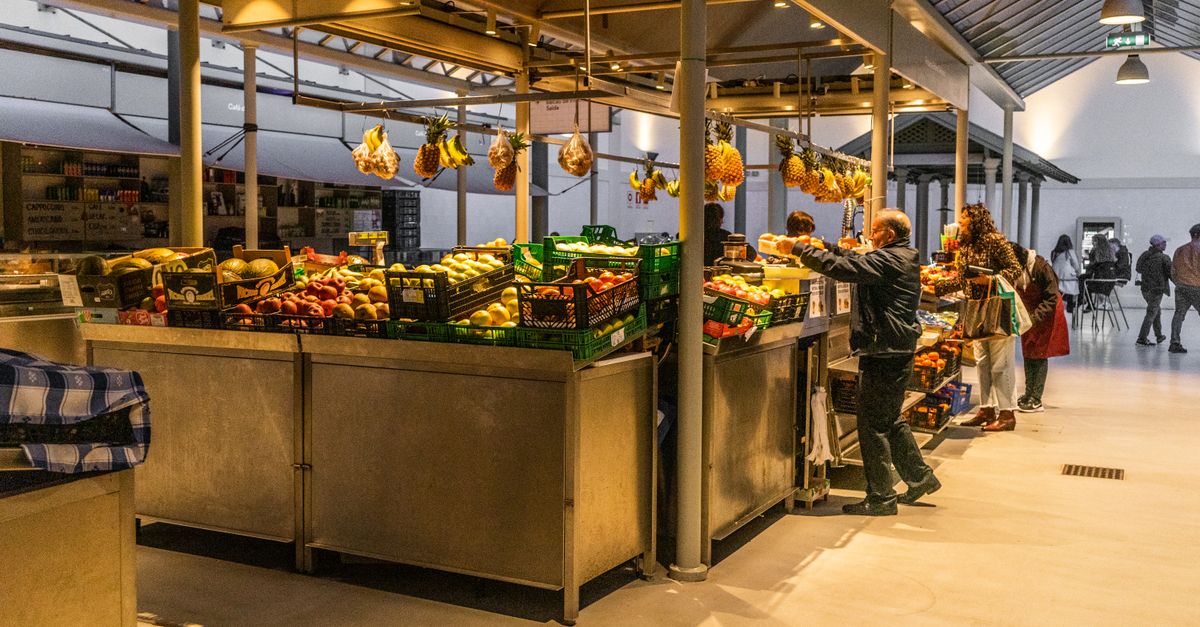
Mercado da Graça (Ponta Delgada)
Mercado da Graça is the primary market in Ponta Delgada for produce and seafood from São Miguel. It functions as the central point for island farmers to sell subtropical fruits and local catches.