Pico
The mountain island — Portugal's highest peak, vineyards grown in black lava, and a wild, black-rock coast. The Azores for the adventurous.
A strong second island for hikers and wine travelers. Pair with Faial (a short ferry).

Why go
Climb Pico mountain (2,351m, Portugal's highest), the UNESCO lava-vineyard landscape (Currais), whale watching from Lajes, and a starkly beautiful volcanic island. The wine (Verdelho) is unique.
Why you might skip it
The mountain climb is serious and weather-dependent; the island is rugged, not lush like São Miguel.
What to do
Climb Pico mountain (or the Casa da Montaña base), the lava vineyards and wine museum, the Criação Velha coast, whale watching in Lajes.
What to eat
Pico wine (Verdelho), local cheese, lapas, fish.
Where to stay
Madalena as a base; Lajes for whale trips.
Getting there & around
Fly or ferry from Faial.
What's here
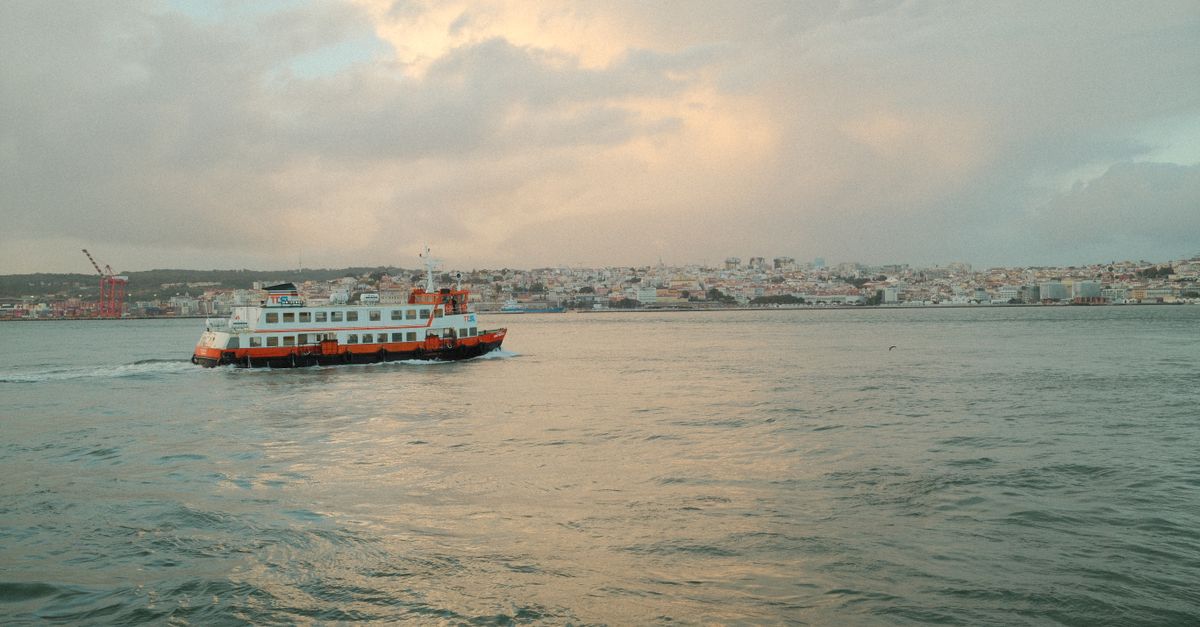
Faial–Pico ferry
This short Atlantic crossing connects the vibrant marina town of Horta on Faial to the volcanic slopes of Madalena on Pico. It is the vital maritime umbilical cord that links two of the central Azores' most distinct islands.
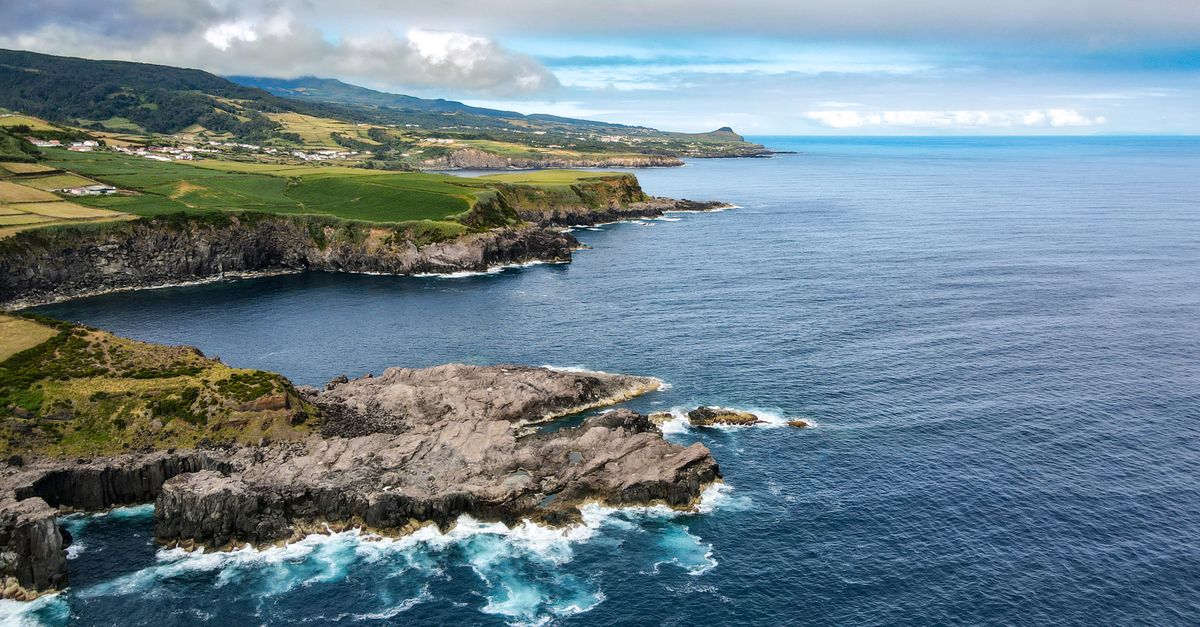
Azores central islands ferry
This inter-island ferry network serves as the vital maritime backbone of the Azores' central group, connecting the disparate volcanic landscapes of Terceira, São Jorge, Pico, and Faial. It is the most authentic way to experience the archipelago's maritime culture while transitioning between vastly different island environments.

Ponta do Pico ascent
Scaling the 2,351-meter Pico mountain is the ultimate achievement for any hiker visiting the Azores. It offers a grueling but rewarding climb to the highest point in Portugal, where clouds swirl around the rugged volcanic crater.
Where it sits