Terceira
The festive island — a UNESCO old town (Angra do Heroísmo), a huge volcanic cave, and the bull-running culture of the Azores.
A great third island for culture and caves; the most historic town in the Azores.

Why go
Angra do Heroísmo (a UNESCO Renaissance town), the Algar do Carvão volcanic cave, the Serra do Cume viewpoint, and the island's unique bull-in-the-street festivals. The most 'town' of the Azores.
Why you might skip it
Less dramatic scenery than São Miguel or Pico; festivals can make it busy.
What to do
Angra do Heroísmo, Algar do Carvão cave, Serra do Cume, Monte Brasil, a festival if timed right.
What to eat
Alcatra (local meat dish), local cheese, wine.
Where to stay
One night, then move on. (2–3 nights)
Angra do Heroísmo offers lodging within restored colonial-era manor houses, providing proximity to historical sites at a premium price point. Noise levels increase near the central plazas during evening hours or festival periods. Praia da Vitória provides a coastal alternative, featuring modern hotel developments near the beach, generally at a lower cost than the capital. Quiet accommodation options exist in rural guesthouses scattered throughout the interior, which require private transportation for access to services and dining.
Getting there & around
Fly to Lajes (TER).
A rental car serves as the primary mode of transit for reaching rural volcanic features like Algar do Carvão and various coastal viewpoints. Angra do Heroísmo demands travel on foot through steep, cobblestone streets, often involving significant inclines. While local bus lines connect major parishes, schedules remain sparse, particularly during weekends and evenings. Parking within the historic center requires paid permits or designated zones, with free options located on the outer periphery of the city grid.
Common planning mistakes
The itinerary often fails to account for the slow transit times between volcanic craters and remote coastal cliffs. The bull-running season, known as touradas à corda, frequently traps drivers on narrow village roads for hours, causing significant delays. A common error involves assuming the entire island is accessible by a single bus route, leading to long waits in rural areas where taxis are infrequent and require advance booking by phone.
Less ideal for
Travelers prioritizing remote mountain trekking or deep-sea solitude will find the infrastructure here focused more on cultural history and pastoral landscapes. The reliance on rental vehicles excludes those unwilling or unable to navigate narrow, winding coastal roads and steep, volcanic inclines without assistance.
Practical notes
Cash remains useful in smaller rural cafes, despite the widespread acceptance of cards in larger establishments. Most shops close for a mid-afternoon siesta between one and three o'clock. The airport at Lajes serves as the sole point of entry for commercial flights. Local markets operate primarily on weekend mornings, offering seasonal produce and regional baked goods. No formal central bus station exists, as public transit hubs function as loose collection points for municipal routes.
What's here

Fortaleza de São João Baptista
Occupying the Mount Brazil headland, this 16th-century fortress is a primary example of Atlantic military architecture. It marks the strategic importance of Terceira Island during the Philippine Dynasty and the Iberian Union.

Sé de Angra do Heroísmo
The Sé de Angra do Heroísmo is a 16th-century cathedral and the religious center of Terceira Island. It functions as the episcopal seat of the Azores and is a primary landmark within the city's UNESCO-protected historic district.
Where it sits


More places in Azores
Faial
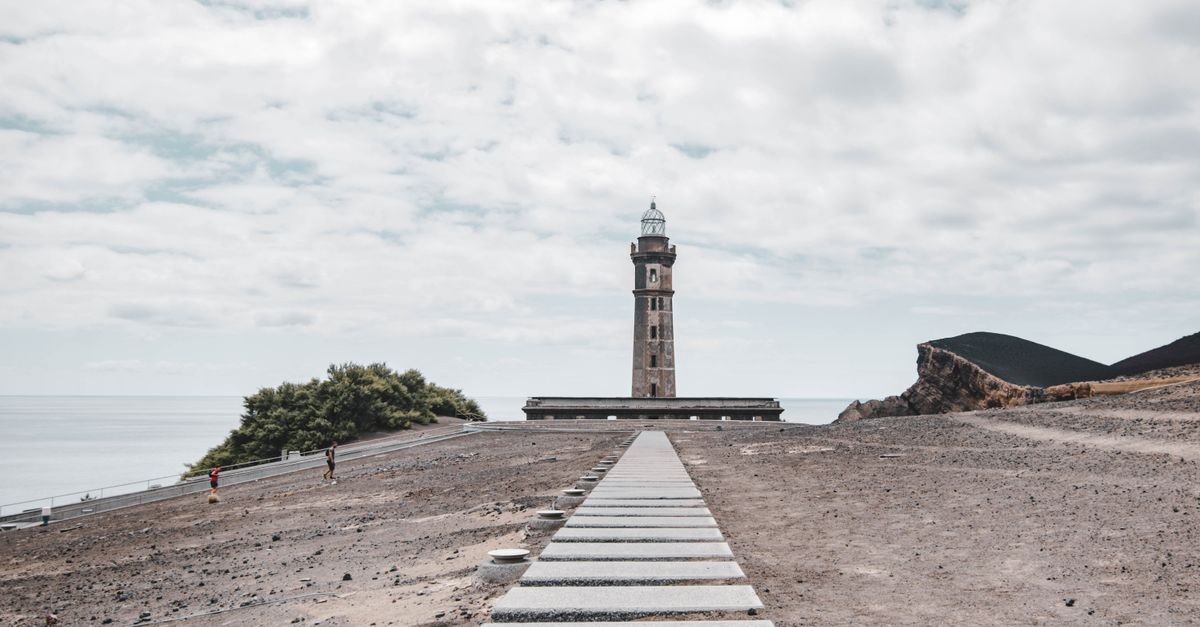
The blue island defined by a deep central caldera, the lunar landscape of the Capelinhos volcano, and a yachting hub in Horta.

Pico
The mountain island — Portugal's highest peak, vineyards grown in black lava, and a wild, black-rock coast. The Azores for the adventurous.
We may earn a commission from bookings made through these links. It never changes what we recommend, or what we leave out.