Faial
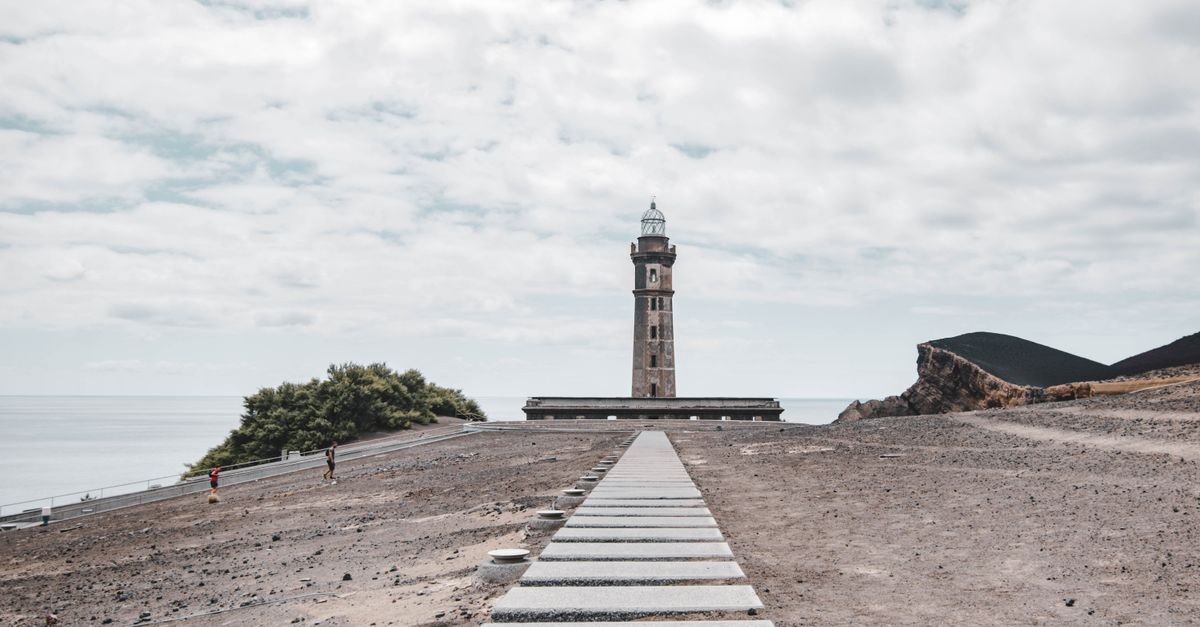
The blue island defined by a deep central caldera, the lunar landscape of the Capelinhos volcano, and a yachting hub in Horta.
Pairs best with a visit to neighboring Pico via a 30-minute ferry. Compact, geologically distinct, and a waypoint for transatlantic sailors.
Why go
Access to the Caldeira do Faial, the 1957 eruption site at the Capelinhos volcano and museum, the marina in Horta featuring walls covered in nautical murals, and the nearby Peter Café Sport.
Why you might skip it
Small geography; two days covers the primary sites. Lacks the density of forest cover found on São Miguel.
What to do
Traverse the Caldeira, visit the Capelinhos volcano museum, photograph Horta marina murals, stop at Peter Café Sport, and join a whale-watching excursion.
What to eat
Regional seafood, gin at Peter Café Sport, and Azorean cheese.
Where to stay
One night, then move on. (2–3 nights)
Horta offers a concentration of boutique hotels and restored guesthouses within walking distance of the marina, providing proximity to ferry connections and restaurants. Noise levels increase near the port, particularly during the peak summer sailing season. Rural guesthouses and converted farmhouses occupy the volcanic slopes outside the town, offering seclusion and caldera views at the cost of requiring constant vehicle use. Prices reflect the island's isolation, with peak seasonal demand significantly impacting availability and nightly rates.
Getting there & around
Regional flight or ferry service from Pico.
A rental car provides the only reliable access to the caldera and the Capelinhos volcano, as public bus lines remain infrequent and primarily serve local schools. Horta sits at sea level with a walkable grid, but the surrounding island terrain rises steeply toward the central highlands. Parking is abundant near the marina but limited within the narrow, historic alleys of the town center. Taxis operate from the port and the airport, though costs accrue quickly over long distances.
Common planning mistakes
Planning a stay based solely on Horta leads to missing the primary geological features located across the island. Ignoring the variable weather patterns in the central highlands often results in poor visibility at the caldera viewpoint. Miscalculating ferry schedules to Pico leads to unexpected overnight delays, as wind conditions frequently cause cancellations. Relying exclusively on public transit results in significant time losses and restricted access to the island's remote volcanic trails and coastal lookouts.
Less ideal for
Beach vacationers find the rocky shoreline and lack of surf resorts unappealing compared to other Atlantic destinations. Those without driving licenses face immense difficulty reaching the geological sites, as the hilly terrain and distance between points of interest exceed reasonable walking capacity. Travelers seeking high-end luxury resorts or large-scale tourism infrastructure encounter a landscape defined by humble, rural structures and limited accommodation styles. The quiet, weather-dependent nature of the island provides little for those requiring constant, structured urban stimulation.
Practical notes
The island airport connects to the mainland and nearby islands, while the marina functions as a major waypoint for transatlantic vessels. Most retail and services cluster in Horta, leaving the interior and northern coast largely quiet and devoid of supplies. Credit cards are accepted in major establishments, though smaller village cafes often require cash. The tourist office located near the port provides updated information on trail conditions and volcanic activity warnings, which shift rapidly during the autumn months.
What's here

Caldeira do Faial Natural Park
The Caldeira do Faial is a stunning, massive volcanic crater reaching 1,043 meters that serves as the island's geological heart. It is a lush, protected natural reserve offering a dramatic window into the violent volcanic origins of the Azores.
Where it sits








More places in Azores


São Miguel
The largest Azores island — twin crater lakes, hot springs, tea plantations, and the only island most travelers see. Rightly so.

Terceira
The festive island — a UNESCO old town (Angra do Heroísmo), a huge volcanic cave, and the bull-running culture of the Azores.
We may earn a commission from bookings made through these links. It never changes what we recommend, or what we leave out.