São Miguel
The largest Azores island — twin crater lakes, hot springs, tea plantations, and the only island most travelers see. Rightly so.
The essential first island. Give it 4–5 nights and a car.
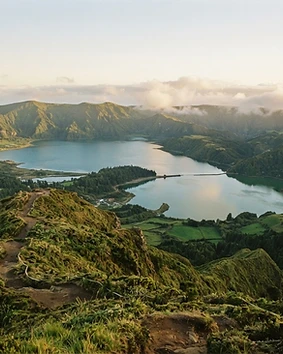
Why go
Sete Cidades twin lakes, Lagoa do Fogo, Furnas volcanic hot springs and the cozido cooked underground, the Terra Nostra botanical garden, tea estates, and whale watching from Ponta Delgada.
Why you might skip it
The most visited island; if you've been before, consider Pico or Flores for something wilder.
What to do
Sete Cidades, Lagoa do Fogo, Furnas and Terra Nostra, the Nordeste coast, tea estates, whale watching, Vila Franca do Campo islet.
What to eat
Cozido das Furnas, lapas, local cheese, pineapple, Azorean wine.
Where to stay
Ponta Delgada as a base; Furnas for a hot-spring night; Sete Cidades for the view.
Getting there & around
Fly to Ponta Delgada (PDL).
Car essential.
What's here
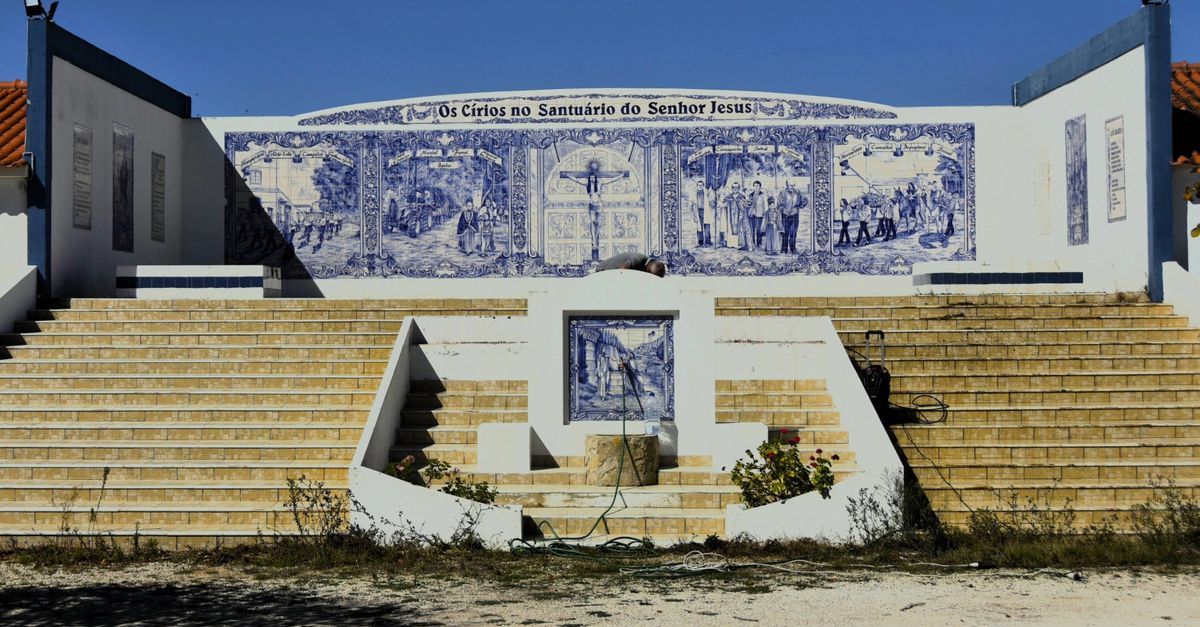
Senhor Santo Cristo dos Milagres
The Festa do Senhor Santo Cristo dos Milagres is the most significant religious event in the Azores, featuring a massive, ornate procession through Ponta Delgada. It is a profound display of devotion, blending solemn liturgy with the vibrant, colorful spectacle of flowers and street carpets.
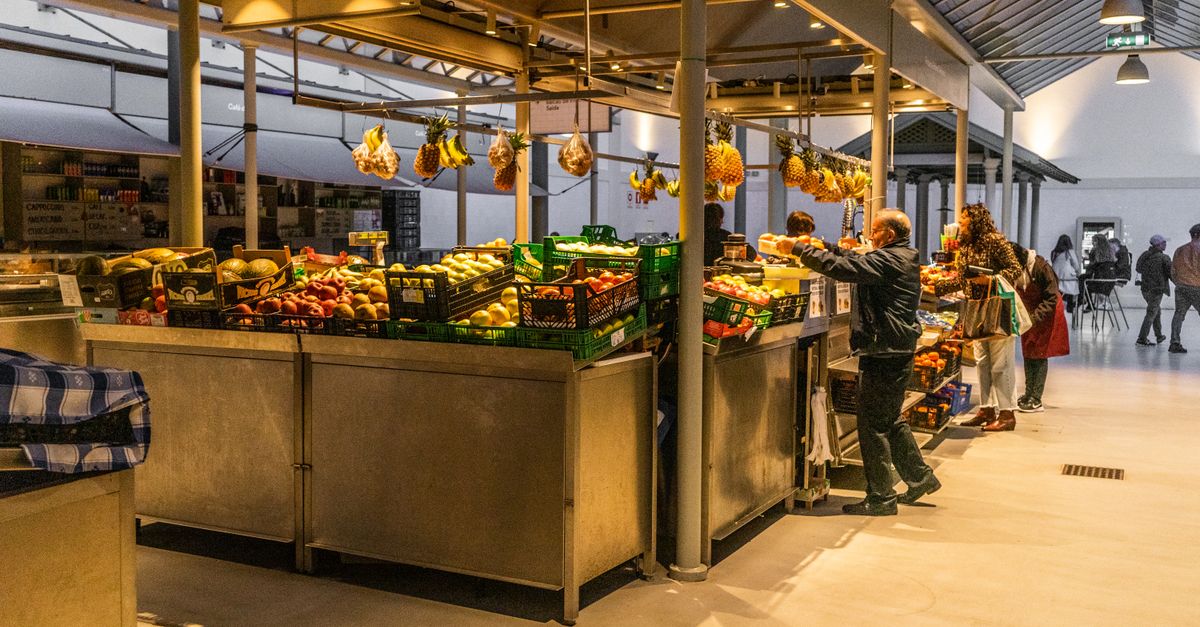
Mercado da Graça (Ponta Delgada)
Mercado da Graça is the pulsating heart of Ponta Delgada’s local food culture, offering a genuine glimpse into the agricultural bounty of São Miguel. It serves as the primary hub for island farmers to showcase rare subtropical fruits and the freshest Atlantic catch.

Caldeiras das Furnas (thermal pools)
Caldeiras das Furnas is a surreal landscape of bubbling fumaroles and iron-rich volcanic springs set within a lush, steam-shrouded crater basin. It is the epicenter of Azorean geothermal activity and a primary destination for experiencing the island's raw, living geology.

Caldeira Velha
Caldeira Velha is a lush, fern-draped thermal monument located on the slopes of the Fogo Volcano. It features a series of iron-rich hot springs and a picturesque waterfall set within a protected natural park.

Lagoa das Furnas
Lagoa das Furnas is a stunning volcanic crater lake nestled in the heart of São Miguel, framed by lush hills, geothermal activity, and mystical greenery. It is the iconic centerpiece of Furnas, blending dramatic geology with serene, mist-covered waters.

Lagoa do Fogo
Lagoa do Fogo is a stunning, protected crater lake nestled within the Água de Pau Massif, renowned for its pristine turquoise waters and dramatic, steep volcanic slopes. It remains one of the Azores' most iconic and untouched natural landscapes.

Miradouro da Vista do Rei (Sete Cidades)
Perched on the crater rim of Sete Cidades, this iconic viewpoint offers the quintessential panoramic look at the twin emerald and azure volcanic lakes. It is the most famous vantage point in the Azores for capturing the dramatic scale of the Caldeira.

Miradouro da Boca do Inferno
Miradouro da Boca do Inferno offers the most iconic, sweeping vista of the Sete Cidades volcanic crater and its twin lakes. It is the definitive postcard shot of the Azores, capturing the dramatic intersection of volcanic caldera walls and emerald-blue water.

Igreja Matriz de São Sebastião
The Igreja Matriz de São Sebastião is the principal church of Ponta Delgada, serving as a landmark of Azorean religious architecture. It is most famous for its elaborate Manueline doorway and its role as the starting point for the island's most significant religious processions.

Convento da Esperança
The Convento da Esperança is a historic 16th-century religious site in Ponta Delgada, famous as the home of the sacred image of the Senhor Santo Cristo dos Milagres. It stands as a vital center of Azorean religious life and a masterpiece of Baroque architectural detail.

Forte de São Brás
Forte de São Brás is a formidable 16th-century fortress guarding the harbor of Ponta Delgada on the island of São Miguel. It serves as both an active military installation and a military museum documenting the maritime history of the Azores.


Cozido das Furnas
A meat-and-vegetable stew cooked underground by volcanic steam — the Azores' most theatrical dish.


Bolo Lêvedo dos Fenais
A soft, sweet round bread, split and toasted — the Azores' everyday bread and breakfast.

Furnas
A geothermal valley on São Miguel — hot springs, fumaroles, and a caldera lake.

Sete Cidades
The iconic twin crater lakes of São Miguel — one blue, one green, in a vast volcanic caldera under the Boca do Inferno viewpoint.
Where it sits