Sete Cidades
Twin crater lakes set within a volcanic caldera on São Miguel, viewed from the Boca do Inferno ridge.
Essential. The defining landmark of the Azores.

Why go
The Boca do Inferno overlook provides a perspective of the blue and green lakes, the caldera basin, and the village. Visibility depends entirely on cloud cover.
Why you might skip it
Cloud cover often obscures the view; the area is whiteout conditions in bad weather. Arrive early to avoid fog.
What to do
Visit the Boca do Inferno viewpoint, drive the caldera rim, explore the village, or rent a canoe on the lake.
Getting there & around
Access requires a rental car or hired transport to reach the Lagoa do Canário parking area. From there, a short, gravel-path walk leads up to the Boca do Inferno viewpoint. The roads leading to the caldera are paved but narrow.
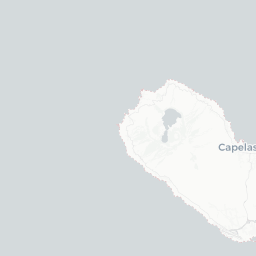
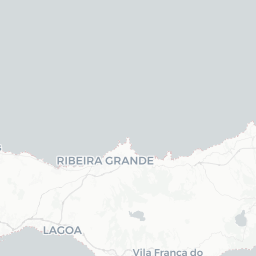
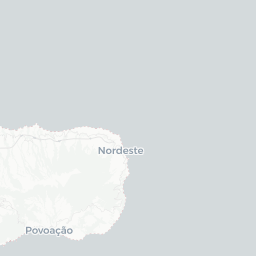
Where it sits









More outdoors in Azores

Lagoa das Furnas
Lagoa das Furnas occupies a volcanic crater on São Miguel, defined by geothermal vents, surrounding slopes, and forest. It serves as the primary geothermal site in the Furnas Valley, where volcanic activity meets a freshwater basin.

Lagoa do Fogo
Lagoa do Fogo is a protected crater lake within the Água de Pau Massif, characterized by steep volcanic slopes and turquoise water. It remains one of the few areas on São Miguel without permanent lakeside infrastructure.

Miradouro da Boca do Inferno
Miradouro da Boca do Inferno provides a high-elevation perspective of the Sete Cidades volcanic crater and its twin lakes. The ridge overlooks the intersection of the crater walls and the water below.

Miradouro da Vista do Rei (Sete Cidades)
This viewpoint on the crater rim of Sete Cidades provides a view of the twin emerald and azure volcanic lakes. It is the most accessed vantage point for observing the scale of the Caldeira.

Algar do Carvão
Algar do Carvão is a volcanic chimney on Terceira Island accessible to the public, featuring a cavern formed by a prehistoric magma chamber.

Caldeira do Faial Natural Park
The Caldeira do Faial is a stunning, massive volcanic crater reaching 1,043 meters that serves as the island's geological heart. It is a lush, protected natural reserve offering a dramatic window into the violent volcanic origins of the Azores.
We may earn a commission from bookings made through these links. It never changes what we recommend, or what we leave out.