Lagoa do Fogo
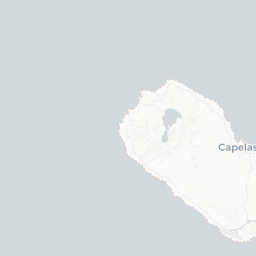
Lagoa do Fogo is a stunning, protected crater lake nestled within the Água de Pau Massif, renowned for its pristine turquoise waters and dramatic, steep volcanic slopes. It remains one of the Azores' most iconic and untouched natural landscapes.
An essential, breathtaking sight that defines the raw, untamed beauty of São Miguel.

Why go
The vantage points offer a sweeping, panoramic look into a caldera that feels worlds away from civilization. The contrast between the lush, verdant walls and the reflective, ever-changing colors of the water provides a masterclass in volcanic scenery.
Why you might skip it
Skip if the island is experiencing heavy low-level cloud cover, as the caldera is often completely obscured by thick fog, rendering the view nonexistent.
What to do
Most visitors stop at the various roadside overlooks for photographs. For those seeking more, a steep, roughly 2km trail leads down to the lakeshore itself, where a sandy, isolated beach awaits. Ensure you have sturdy footwear for the descent.
History & origin
Formed by the collapse of the Água de Pau volcano during an eruption around 15,000 years ago, the lake is a protected natural reserve. Its isolation and lack of permanent human infrastructure have kept it as one of the most pristine ecosystems in the Azores.
Getting there & around
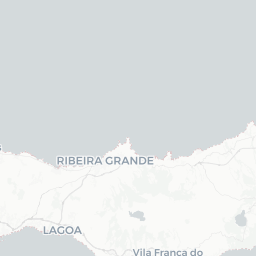
Accessed via the EN5-2A road winding up from Ribeira Grande; parking is available at marked turnouts along the crater rim.
The site is easily navigated by car, with multiple designated viewpoints providing different angles of the crater.
Common planning mistakes
Many visitors arrive mid-day during peak season when parking is scarce and the crater is most likely to be filled with mist, wasting time on a view they cannot see.
Less ideal for
Travelers with limited mobility or those who struggle with high-altitude winds and rapid weather shifts.
Practical notes
Always carry a windbreaker, even in summer, as the temperature at the rim is significantly lower than at sea level. Check local webcams on the 'SpotAzores' app before driving up.
Where it sits