Alqueva Lake
Europe's largest artificial reservoir and a designated Dark Sky Reserve—still water, hilltop settlements, and clear night skies.
A destination for slow transit; pair with Monsaraz. Focus on the night skies.

Why go
Stargazing within a Dark Sky Reserve, swimming, lake boat trips, and visits to hilltop settlements like Monsaraz, Alqueva, and São Marcos.
Why you might skip it
Remote and quiet; ill-suited for those seeking urban activity.
What to do
Observatory sessions, swimming, boating, and sunset views from the walls of Monsaraz.
What to eat
The local cuisine centers on Alentejo staples such as migas, a dish of breadcrumbs sautéed with garlic, pork fat, and cilantro. River fish, specifically freshwater bass and carp, appear on menus in shoreline taverns. Sheep cheese from the Évora region and dark, crusty bread are staples in every meal. Dining occurs primarily in the small stone-walled tascas within Monsaraz or at family-run estates near the water, where regional red wines accompany hearty meat-heavy stews.
History & origin
The Alqueva project originates from a decades-long plan to irrigate the arid Alentejo plains, reaching fruition with the damming of the Guadiana River in 2002. This transformation submerged the village of Luz, which was meticulously relocated to higher ground before the flooding. The surrounding landscape preserves a deep history of border defense, characterized by the fortified hilltop settlements of Monsaraz and Mourão. These medieval structures once served as strategic watchtowers against neighboring incursions, and their preservation provides the primary architectural contrast to the modern expanse of the reservoir.
Where to stay
A day trip, not a bed. (1–2 nights)
Accommodations range from rural farmhouse conversions, known as turismos rurais, to historic guesthouses within the walls of Monsaraz. Staying inside the fortifications adds thirty minutes to transit times compared to hotels near the water edge, but offers immediate access to evening walking paths. Prices fluctuate based on the proximity to the lake, with lakeside villas commanding higher rates than traditional village properties situated further inland.
Getting there & around
Automobile.
The Alqueva region requires a private vehicle for transit between the scattered villages and the water edges. Parking exists at the base of the fortified walls in Monsaraz and near designated boat launch areas. Public transport is absent between rural settlements. Walking remains the standard method for navigating the steep, stone-paved interior streets of hilltop villages, where gradients are significant and distances are short.
Common planning mistakes
The primary error involves attempting to view the lake without a pre-arranged vehicle. Travelers frequently underestimate the isolation of the rural surroundings, assuming public bus networks extend to the reservoir banks. Another common oversight is failing to book stargazing equipment or observatory slots in advance, as Dark Sky access often requires formal reservations. Daytime visits without a plan for the intense heat during summer months also result in significant logistical difficulties.
Less ideal for
This destination is not suitable for travelers relying on trains or buses. It is also challenging for individuals with limited mobility due to the steep, irregular stone paving in historical centers. Those looking for proximity to the ocean or a busy coastal atmosphere will find the stillness and distance from the coast incongruous. Families requiring constant entertainment infrastructure or proximity to immediate, diverse urban services may find the rural, slow-paced nature of the region restrictive.
Practical notes
The Dark Sky Alqueva reserve spans several municipalities, covering three thousand square kilometers. Low-light pollution levels allow for astronomical observation throughout the year, provided there is minimal moon illumination. Summer temperatures often exceed forty degrees Celsius, while winter nights drop near freezing. Mobile coverage is inconsistent in the valleys, so offline maps are necessary for navigating the gravel tracks that lead to private estates and secluded shoreline access points.
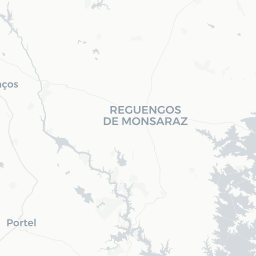
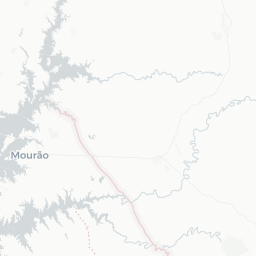
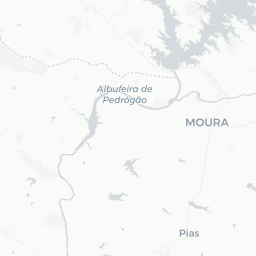
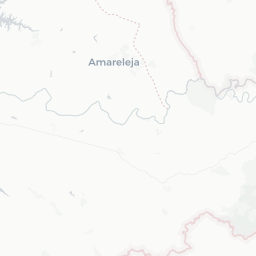
Where it sits


More places in Alentejo

Comporta
A low, sandy, pine-and-rice coast south of the Tagus — barefoot beaches, wooden cabanas, and Portugal's most quietly fashionable escape.

Elvas
A star-fortress border city near Spain — monumental ramparts, an aqueduct, and an Amieira aqueduct by the same architect as Évora's.

Estremoz
A marble town on a hill — a castle-pousada, a medieval market, and the heart of the Alentejo's marble and wine country.

Marvão
An eagle's-nest walled village on a granite peak near the Spanish border — castle walls, a single gate, and views across two countries.

Mértola
A walled river-port village in the deep south-east Alentejo — Moorish past, a castle over the Guadiana, and one of Portugal's least-visited old towns.
Vila Nova de Milfontes
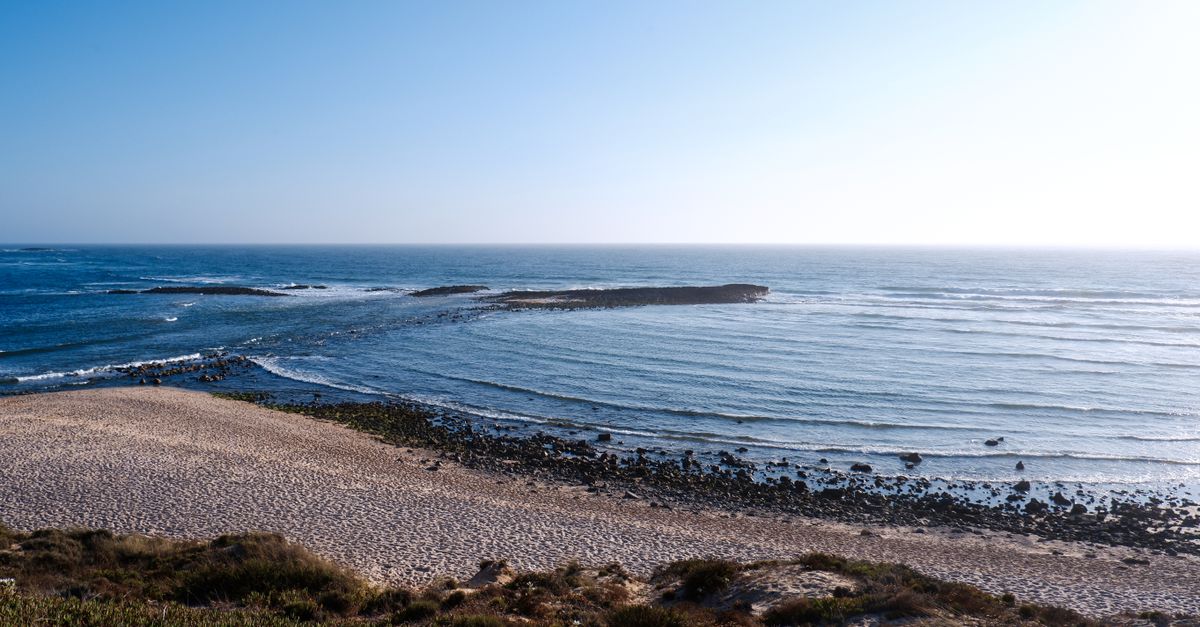
The main town of the Alentejo coast, at the mouth of the Mira river.
We may earn a commission from bookings made through these links. It never changes what we recommend, or what we leave out.