Elvas
A star-fortress border city near Spain — monumental ramparts, an aqueduct, and an Amieira aqueduct by the same architect as Évora's.
A strong detour for architecture and military-history nerds; one of Portugal's great underrated towns.

Why go
The vast Vauban-style fortifications (UNESCO), the 8km aqueduct, the Amieira aqueduct, and a quiet, real town feel. Almost empty of tourists.
Why you might skip it
A long way east; thin if you're not into fortifications.
What to do
Walk the fortifications, the aqueduct, the Amieira aqueduct, the old center.
What to eat
Border-country cooking; porco preto; local sericaia.
Where to stay
A detour, rarely a night. (1 night or a long day)
Accommodations consist mostly of small, converted manor houses and renovated historic buildings within the fortified center. Staying inside the walls offers proximity to major sites but introduces noise from narrow streets and nightly foot traffic. Cheaper, modern hotels exist on the outskirts near the main approach roads, which provide easier parking and quiet surroundings at the expense of character. Most establishments fall within a mid-range price bracket, reflecting the town's status as a quiet regional hub rather than a luxury destination.
Getting there & around
Car from Évora (~1h).
The city center requires foot traffic due to narrow, cobble-stoned streets and restricted vehicle access. Parking exists primarily outside the historic ramparts, which necessitates a ten-to-fifteen-minute walk into the core. Steep inclines mark the ascent toward the Nossa Senhora da Graça fort. Regional bus lines connect Elvas to Lisbon and Portalegre, but the bus station sits outside the old city walls, leaving pedestrians with a twenty-minute uphill trek to reach the central Praça da República.
Common planning mistakes
Overlooking the vast size of the defensive perimeter leads to exhaustion. Attempting to see the town on foot in under four hours ignores the distance between the Amoreira Aqueduct and the star-shaped border forts. Relying on public transit without checking current schedules results in long waits, as connections between the border zones and the interior are infrequent. Many travelers underestimate the summer heat, which makes walking the open, unshaded ramparts during midday hours nearly impossible for most individuals.
Less ideal for
This destination does not suit travelers with limited mobility due to the severe inclines and uneven basalt paving found throughout the historic center. Families with young children might find the lack of parks and the constant exposure to high sun difficult to navigate. Those relying exclusively on public transportation face significant logistical challenges, as the distance between the train station, bus depot, and the main tourist sites creates a fragmented and slow-moving experience.
Practical notes
Summer temperatures regularly exceed forty degrees Celsius, rendering outdoor exploration difficult between noon and five in the afternoon. Most major monuments operate on a Tuesday through Sunday schedule, closing entirely on Mondays. The star fort, Forte de Nossa Senhora da Graça, remains the most significant site but requires a car for access as no public transport serves the summit. Entry fees apply to the military museums and fortress interiors, though the perimeter walls are accessible without cost.
What's here

Aqueduto da Amoreira
The Aqueduto da Amoreira is a 16th-century hydraulic structure extending over five miles to supply Elvas. It serves as a prominent example of regional water infrastructure from the Iberian Peninsula.

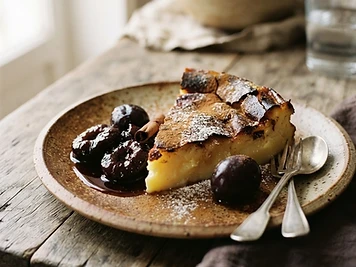
Sericaia
A flourless, cinnamon-spiced egg custard served with stewed plums; a staple of Alentejo convent cooking.
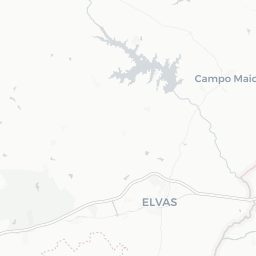
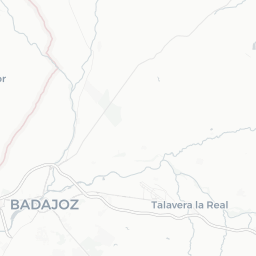
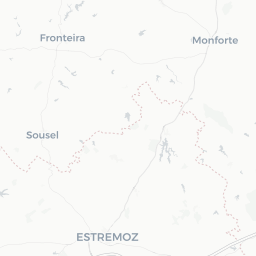
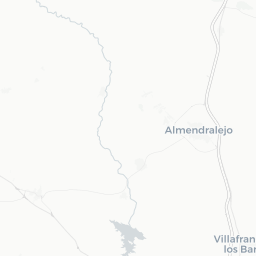
Where it sits
More places in Alentejo

Alqueva Lake
Europe's largest artificial reservoir and a designated Dark Sky Reserve—still water, hilltop settlements, and clear night skies.

Comporta
A low, sandy, pine-and-rice coast south of the Tagus — barefoot beaches, wooden cabanas, and Portugal's most quietly fashionable escape.

Marvão
An eagle's-nest walled village on a granite peak near the Spanish border — castle walls, a single gate, and views across two countries.

Mértola
A walled river-port village in the deep south-east Alentejo — Moorish past, a castle over the Guadiana, and one of Portugal's least-visited old towns.

Monsaraz
A fortified hilltop village overlooking the Alqueva reservoir; features slate-paved streets, a 14th-century castle, and views across the Alentejo plains.
Vila Nova de Milfontes
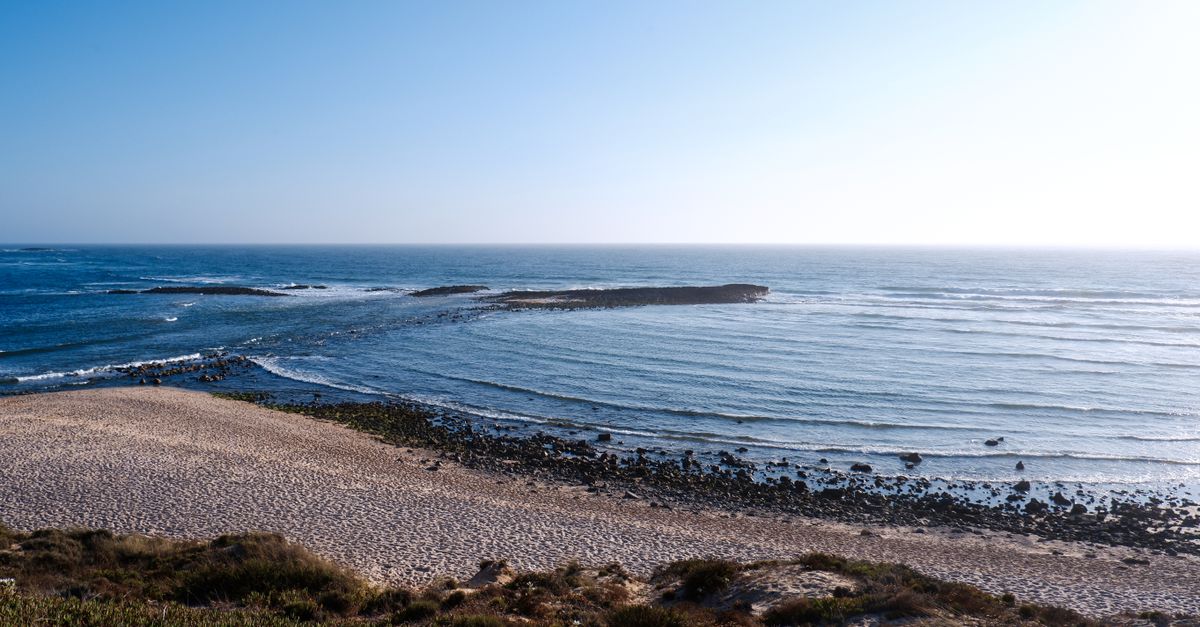
The main town of the Alentejo coast, at the mouth of the Mira river.
We may earn a commission from bookings made through these links. It never changes what we recommend, or what we leave out.