Monsaraz
A fortified hilltop village overlooking the Alqueva reservoir; features slate-paved streets, a 14th-century castle, and views across the Alentejo plains.
A distinct, preserved defensive village. Prioritize visiting at sunset; overnight stays provide the most utility.

Why go
A compact, walled medieval village with slate streets and a castle overlooking the Alqueva reservoir. The vantage point provides unobstructed views of the surrounding plains during the late afternoon.
Why you might skip it
Extremely small footprint; requires a private vehicle and is best incorporated into a broader itinerary through Évora or the Alqueva region.
What to do
Traverse the village lanes and castle battlements, view the 16th-century frescoes inside the Igreja de Nossa Senhora da Lagoa, and watch the sun set over the reservoir.
What to eat
Regional Alentejo cuisine served at the small village inns.
Where to stay
A detour, rarely a night. (One afternoon and one night.)
Accommodations consist of converted stone houses and small, family-run guesthouses located within the medieval walls. These lodgings offer proximity to the castle and sunset viewing points, though the thick masonry often limits natural light. Costs fluctuate based on seasonal demand, with high rates during the peak summer months. Sleep quality remains high due to the strict absence of through traffic, though thin walls occasionally allow noise transmission from nearby shared courtyards.
Getting there & around
Accessible only by car; the approach involves a winding ascent.
The village remains entirely pedestrianized, with motor vehicle access restricted to residents and emergency services. Private cars stop at designated parking lots outside the ancient city walls. Every point within the fortifications sits within a five-minute walk from these entry gates. The terrain consists of narrow, slate-paved paths that incline steeply toward the central castle. Public transportation does not serve the village, necessitating a private vehicle for arrival and departure.
Common planning mistakes
Attempting to navigate the interior with a vehicle results in immediate dead ends and fines. Many travelers arrive during the peak heat of midday, missing the evening cooling period when the stone walls release trapped warmth. Scheduling a visit as a drive-through transit stop misses the silence of the evening, which defines the local atmosphere. Relying on regional bus schedules leads to significant complications as no lines connect to the village perimeter.
Less ideal for
Travelers with limited mobility encounter significant difficulty due to the steep, uneven slate paving that defines all streets. Individuals expecting late-night dining or high-energy entertainment find the quiet, atmospheric pace of the village restrictive. Those reliant on public transit systems face insurmountable challenges in reaching the hilltop gates. The location serves as a poor base for those intending to explore the broader region without an independent car.
Practical notes
Cash serves as the primary currency for small purchases, as card terminals occasionally struggle with connectivity issues. Many local shops close for several hours during the early afternoon, reopening only when the sun lowers. The nearest rail station resides in Évora, situated over an hour away by road. The village lacks a conventional market, relying on a few small grocers that stock basic supplies until late afternoon when operations cease for the day.
What's here

Castelo de Monsaraz
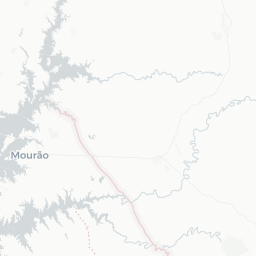
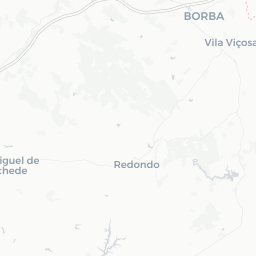
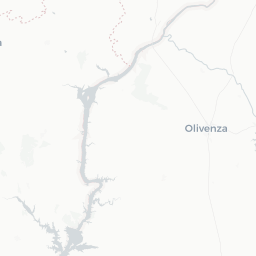
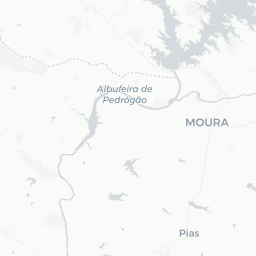
This fortified village and castle sit above the Alentejo plains, overlooking the Alqueva Dam. It is a preserved frontier site characterized by schist buildings and whitewashed walls.
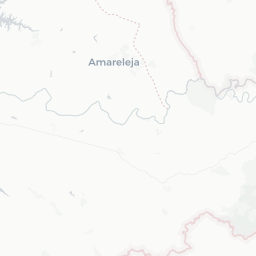
Where it sits





More places in Alentejo

Comporta
A low, sandy, pine-and-rice coast south of the Tagus — barefoot beaches, wooden cabanas, and Portugal's most quietly fashionable escape.

Marvão
An eagle's-nest walled village on a granite peak near the Spanish border — castle walls, a single gate, and views across two countries.

Mértola
A walled river-port village in the deep south-east Alentejo — Moorish past, a castle over the Guadiana, and one of Portugal's least-visited old towns.

Elvas
A star-fortress border city near Spain — monumental ramparts, an aqueduct, and an Amieira aqueduct by the same architect as Évora's.

Estremoz
A marble town on a hill — a castle-pousada, a medieval market, and the heart of the Alentejo's marble and wine country.
Vila Nova de Milfontes
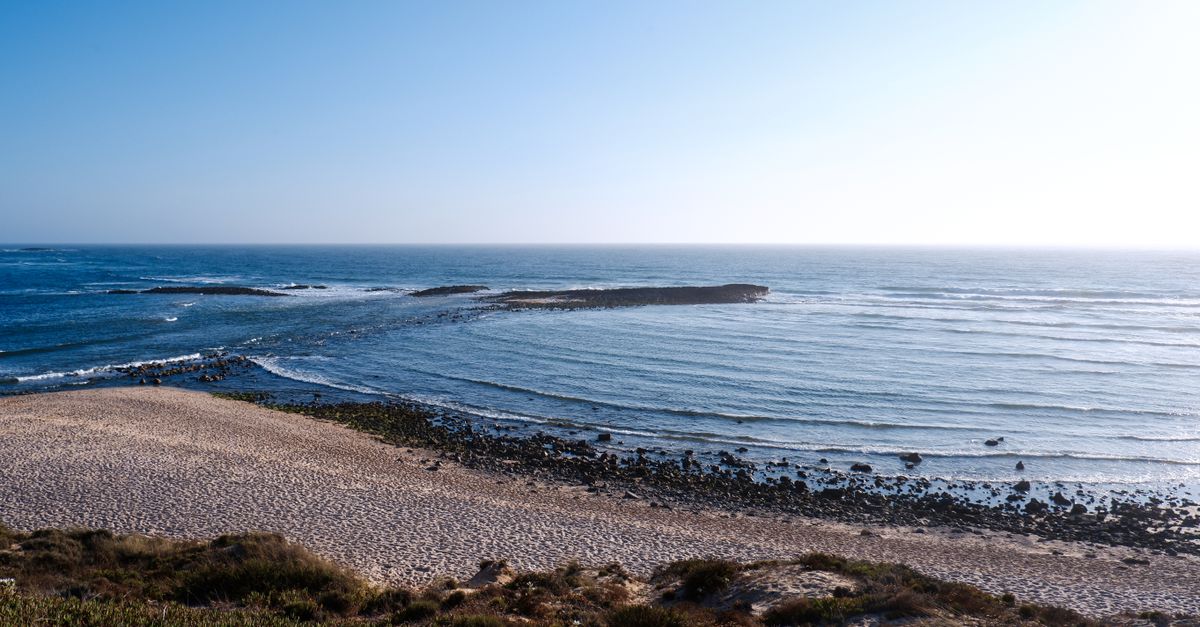
The main town of the Alentejo coast, at the mouth of the Mira river.
We may earn a commission from bookings made through these links. It never changes what we recommend, or what we leave out.