Castelo de Monsaraz
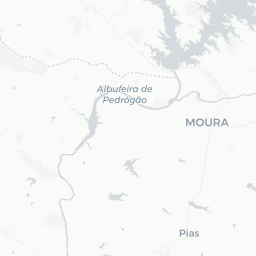
This fortified village and castle sit above the Alentejo plains, overlooking the Alqueva Dam. It is a preserved frontier site characterized by schist buildings and whitewashed walls.
Necessary for travelers focused on the quiet interior of the Alentejo.

Why go
The village provides views across the Alqueva reservoir, particularly at sunset. The layout of the lime-washed streets dates to the 14th century, maintaining the scale of its period.
Why you might skip it
Skip if you are unwilling to manage the remote location, which requires a significant detour from major transit hubs. It will not suit those looking for furnished palace interiors, as the site consists primarily of ruins and a functioning village.
What to do
Walk the circuit of the village walls, visit the Igreja Matriz, and climb the stone steps of the castle keep for clear lines of sight to the reservoir.
History & origin
Monsaraz served as a strategic outpost for the Knights Templar and the Order of Christ. King Dinis rebuilt the current castle walls in the 14th century to fortify the border against Castile.
Getting there & around
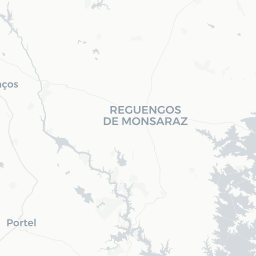
Located 180km east of Lisbon; accessible via the N256 through the Alentejo interior.
The village is pedestrianized; park in the designated lot outside the main gate.
Common planning mistakes
Arriving during the midday sun when the stone streets retain heat; skipping the walk along the perimeter walls.
Less ideal for
Travelers relying on public transit or those requiring smooth surfaces, as the streets are uneven cobble.
Practical notes
The village is accessible at all times, though shops and museums operate on variable schedules. Wear flat, traction-heavy shoes for uneven stone.
Where it sits




More history in Alentejo

Anta Grande do Zambujeiro
Anta Grande do Zambujeiro is a Neolithic dolmen composed of large granite slabs arranged into a chamber and corridor. It is one of the largest such structures in Europe.

Aqueduto da Amoreira
The Aqueduto da Amoreira is a 16th-century hydraulic structure extending over five miles to supply Elvas. It serves as a prominent example of regional water infrastructure from the Iberian Peninsula.

Capela dos Ossos
This 16th-century chapel, attached to the Church of Saint Francis in Évora, displays the bones and skulls of approximately 5,000 monks along its walls and pillars. It serves as a physical memento mori regarding the transience of life.

Cromeleque dos Almendres
Dating to the 6th millennium BC, these 95 granite monoliths form the largest megalithic site on the Iberian Peninsula, arranged in an oval plan that reflects Neolithic ritual alignment.

Igreja de São Francisco
The Igreja de São Francisco combines Gothic and Manueline architectural elements with the 16th-century Capela dos Ossos. It serves as a major landmark within the walls of central Évora.

Mesquita de Mértola
This 12th-century Almohad mosque remains the primary place of worship in Mértola. It serves as the Igreja de Nossa Senhora da Anunciação, retaining its Islamic layout and structural elements beneath Christian-era modifications.
We may earn a commission from bookings made through these links. It never changes what we recommend, or what we leave out.