Paço Ducal de Vila Viçosa
The Paço Ducal de Vila Viçosa served as the ancestral seat of the House of Braganza, the dynasty ruling Portugal from 1640 until the end of the monarchy. The structure documents the transition from a military fortress to a Renaissance palace, housing collections of royal ceramics, hunting equipment, and tapestries.
A detailed record of the Portuguese monarchy through the estate of the Braganza family.

Why go
The palace contains state rooms, furnishings, and a collection of ceramics, hunting trophies, and tapestries. The marble-clad corridors and formal gardens reflect the scale of the family's influence during their tenure.
Why you might skip it
Travelers who dislike mandatory guided tours or who have no interest in the decor and daily life of the Portuguese royal family from the 17th to 20th centuries.
What to do
Join a mandatory tour of the state rooms, view the collection of royal carriages, and walk the formal gardens with their geometric layout.
History & origin
Work began in 1501 for the Duke of Braganza, and the building functioned as the family's seat for four centuries. It served as the primary hunting residence for King Manuel II until the 1910 revolution.
Getting there & around
Located in central Vila Viçosa; accessible by car via the A6 motorway at the Estremoz/Vila Viçosa exit. Parking is available at the palace square.
Guided tours are required for the interior; the grounds require walking.
Work out how Paço Ducal de Vila Viçosa connects to another stop
Common planning mistakes
Missing the scheduled tour times or attempting to photograph the interior state rooms, which is prohibited.
Less ideal for
Those who prioritize self-paced movement and interactive or flexible exhibit layouts.
Practical notes
Closed on Mondays. Entry is by guided tour only. Some areas have limited accessibility due to the historic building layout.
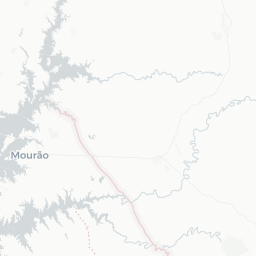
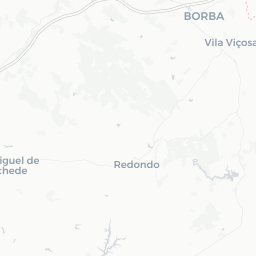
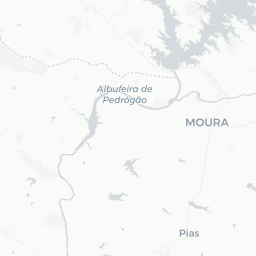
Where it sits





More history in Alentejo

Andanças (Redondo)
Andanças focuses on global dance and music, centering on workshops and traditional folk heritage. It functions as a participatory event where participants engage in movement rather than observing performances.

Anta Grande do Zambujeiro
Anta Grande do Zambujeiro is a Neolithic dolmen composed of large granite slabs arranged into a chamber and corridor. It is one of the largest such structures in Europe.

Aqueduto da Amoreira
The Aqueduto da Amoreira is a 16th-century hydraulic structure extending over five miles to supply Elvas. It serves as a prominent example of regional water infrastructure from the Iberian Peninsula.

Capela dos Ossos
This 16th-century chapel, attached to the Church of Saint Francis in Évora, displays the bones and skulls of approximately 5,000 monks along its walls and pillars. It serves as a physical memento mori regarding the transience of life.

Castelo de Estremoz
Dominating the Alentejo skyline, the 13th-century Castelo de Estremoz features a marble keep that serves as a military fortification. It remains an example of medieval defensive construction, providing views of the surrounding countryside.

Castelo de Marvão
Sitting on the highest crest of the Serra de São Mamede, the 13th-century Castelo de Marvão provides views across the Alentejo plains to the Spanish border. It is a defensive structure integrated into a cliffside village.
We may earn a commission from bookings made through these links. It never changes what we recommend, or what we leave out.