Quinta dos Esporão
The Alentejo's primary estate since the 13th century, spanning 600 hectares of vineyard and olive grove near Reguengos. The property operates a modern winery alongside a restaurant and lodging.
The defining estate for the Alentejo, with the most developed visitor infrastructure in the region.
To visit the regional leader in wine production, which operates a full range of visitor services including scheduled tours, dining, and overnight options.

What's in the glass
The portfolio ranges from high-production, consistent labels to experimental, single-vineyard bottlings. The style emphasizes polished fruit and integrated oak.
How it came to be
Roots date to the 13th century, with the estate serving as a regional agricultural hub for centuries. Current operations, defined by investment in viticultural technology and research, began in the 1970s. It remains a large-scale enterprise focused on industry standard-setting.
Best for, and who should skip
Visitors prioritizing organized, all-in-one logistics including structured tours, dining, and educational programming.
Less ideal for: Travelers seeking informal, unguided exploration of vineyards. Those who prefer small-batch operations over large-scale production. Budget-conscious visitors.
Skip if: Travelers seeking small, low-traffic, or independent winery operations may find the scale of this estate too commercial.
Tours, tastings & getting there
This site maintains a restaurant, various tasting flights, and grounds open for access. Tours are standardized and tailored to different levels of wine knowledge.
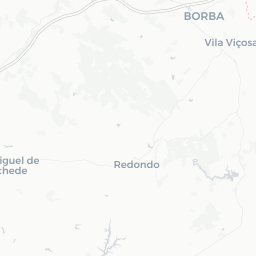
Getting there: Two hours from Lisbon; located near Reguengos de Monsaraz.
Getting around: The estate provides guest maps and signage to navigate between the winery, gardens, and tasting areas.
Book the restaurant and specific tours weeks in advance, especially during the harvest or summer weekends.
When to go
April–June and September–October.
Open year-round.
Allow: Half a day to an overnight stay.
Beyond the tasting room
Reserve a tour, lunch at the restaurant, and visit the nearby village of Monsaraz.
Pair with


Açorda Alentejana
A bread, garlic and olive oil mash with a poached egg — the Alentejo's defining humble dish.

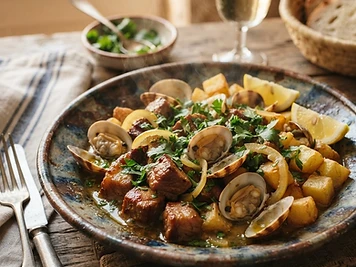
Carne de Porco à Alentejana
A combination of pork and clams that defines Alentejo cooking despite debate over its origins.

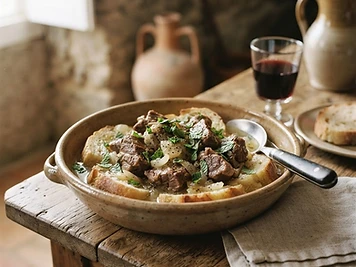
Ensopado de Borrego
Lamb braised in a bread broth—a traditional Alentejo stew from the interior hills.
Other wines to explore
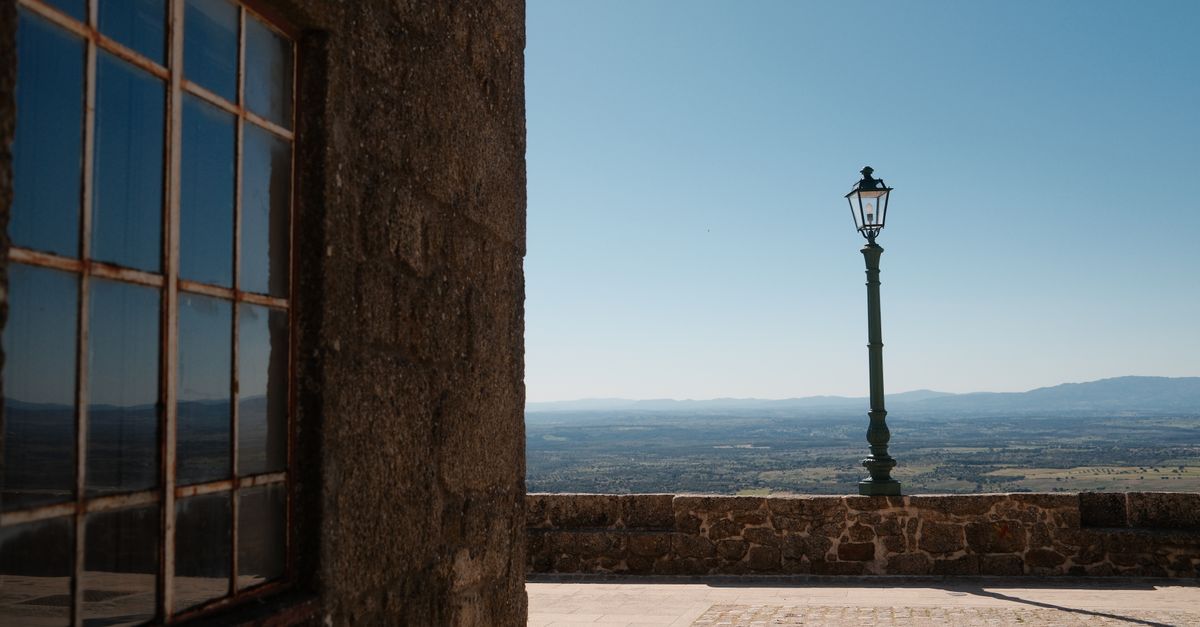
Herdade do Sobroso
A southern Alentejo estate at Vidigueira, on the edge of the region's warmest sub-denomination, making rich, generous reds and a welcoming tasting room set among cork and olive trees.
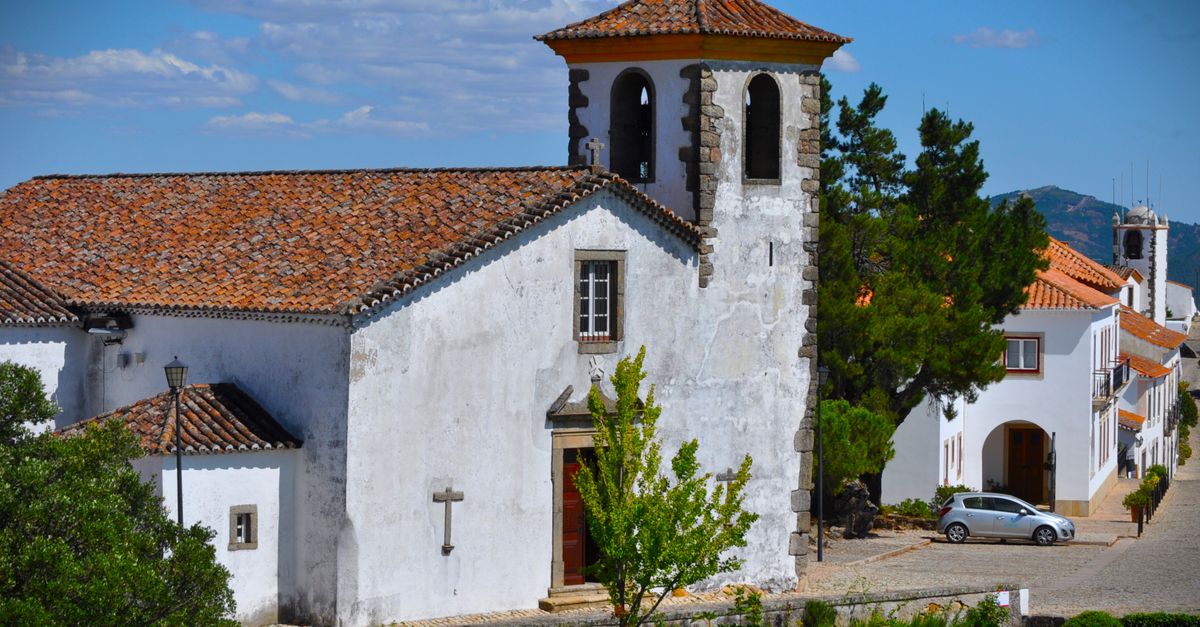
Herdade do Rocim
A modern estate in Vidigueira focusing on lower-alcohol reds and amphora-aged wines, including the 'Olho de Mocho' talha project.

Herdade de Coelheiros
A long-established Évora estate with integrated olive groves, walnut orchards and vineyards, known for balanced Alentejo reds and the white 'Taboadella' range; a quieter, more rural alternative to Esporão.
Nearby
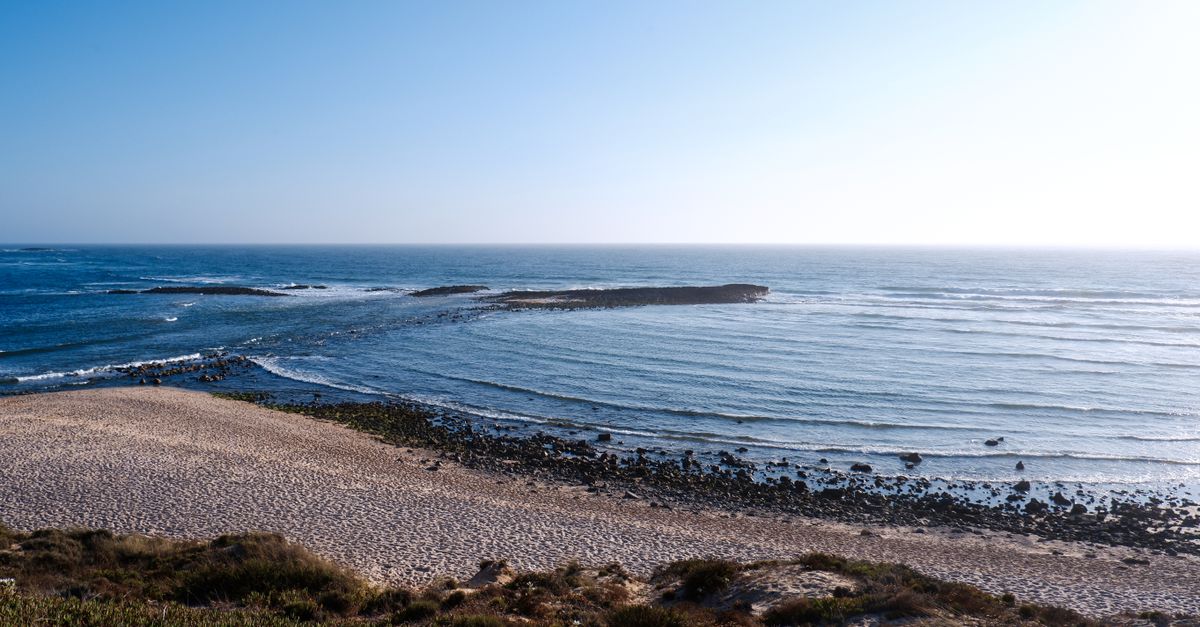
Vila Nova de Milfontes
The main town of the Alentejo coast, at the mouth of the Mira river.


Évora
A walled university city in the Alentejo plain — Roman temple, bone chapel, whitewashed streets, and the regional capital of slow, serious food and wine.
Where it sits




More wine in Alentejo
Herdade da Calada
A 19th-century Alentejo estate near Borba, relaunched as a modern boutique winery making structured reds and crisp whites from the Évora sub-region; stylish on-site accommodation in a renovated farmhouse.

Adega Mayor
A modern winery near Campo Maior designed by architect Souto de Moura on the eastern Alentejo border, producing a broad range of reds and whites; the building is a prominent architectural feature in the region.

Alentejo
The great warm-climate red region of the south — Aragonez, Trincadeira and Alicante Bouschet across eight sub-regions from the granite of Portalegre to the heat of Vidigueira. Generous, approachable, and the gateway wine for most newcomers to Portugal.

Marquês de Borba
The flagship winery of João Portugal Ramos — the winemaker most responsible for the modern Alentejo renaissance — at Borba, producing the widely-drunk Marquês de Borba range and a top 'Vila Santa' reserve.