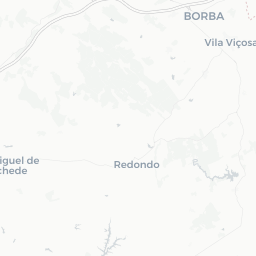
Alentejo
The great warm-climate red region of the south — Aragonez, Trincadeira and Alicante Bouschet across eight sub-regions from the granite of Portalegre to the heat of Vidigueira. Generous, approachable, and the gateway wine for most newcomers to Portugal.
Portugal's most exported red region and its most crowd-pleasing — the skill is finding the producers doing serious single-vineyard work under the warmth.
For generous, fruit-forward reds, cork-oak estate landscapes, and cellar doors that are a pleasure to visit.

What's in the glass
Alentejo wines are defined by their generous warmth, opulent ripe fruit, and approachable, velvety tannins. The whites offer a distinct aromatic profile, often displaying tropical notes and balanced acidity that cuts through the heat of the landscape.
How it came to be
Viticulture in this region dates back to the Roman period, leaving a legacy of clay-pot production known as talha. Following decades of focus on cereal production, the region underwent a massive viticultural renaissance in the late 20th century. Today it stands as the engine of Portuguese red wine production, characterized by its vast estates and traditional cork-oak forests.
Best for, and who should skip
Connoisseurs of food-friendly, full-bodied reds and those interested in the history of Mediterranean dry-land farming.
Less ideal for: Travelers seeking dense concentrations of walkable tasting rooms or those who prefer high-altitude, cool-climate whites and delicate, low-intervention, funky natural wines.
Skip if: Travelers who prefer cool-climate, high-acid wines may find the region's characteristic ripeness overwhelming.
Tours, tastings & getting there
The visiting culture is deeply rooted in the concept of the herdade, where hospitality is treated as a hospitality-first enterprise featuring long lunches and cellar tours. Most estates require prior notification, though the sheer scale of the region allows for a diverse mix of intimate family-run cellars and sprawling commercial centers.
Getting there: 1.5 hr from Lisbon on the A6.
Getting around: Driving between sub-regions involves traversing scenic, undulating roads that connect the isolated vineyard clusters.
A rental car is essential for navigating the expansive geography of the various sub-regions and isolated estates.
When to go
September–October harvest; April for wildflowers.
Avoid August midday heat.
Allow: 2–3 days
Beyond the tasting room
Base in Évora or Reguengos, visit Esporão and Herdade do Rocim, and thread cork-estate back roads to Vidigueira.
Pair with


Açorda Alentejana
A bread, garlic and olive oil mash with a poached egg — the Alentejo's defining humble dish.

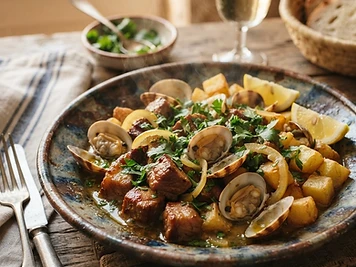
Carne de Porco à Alentejana
Pork and clams together — the Alentejo's most famous surf-and-turf, despite debate over its origin.

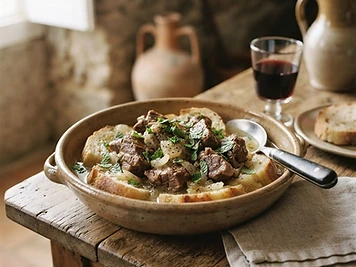
Ensopado de Borrego
Lamb braised in bread broth — a festive Alentejo stew of the interior hills.
Other wines to explore

Adega Mayor
A bold modern winery near Campo Maior designed by architect Souto de Moura, on the eastern Alentejo border — making a broad range of accessible reds, whites and a notable Bairrada-influenced set; one of the region's most striking buildings.
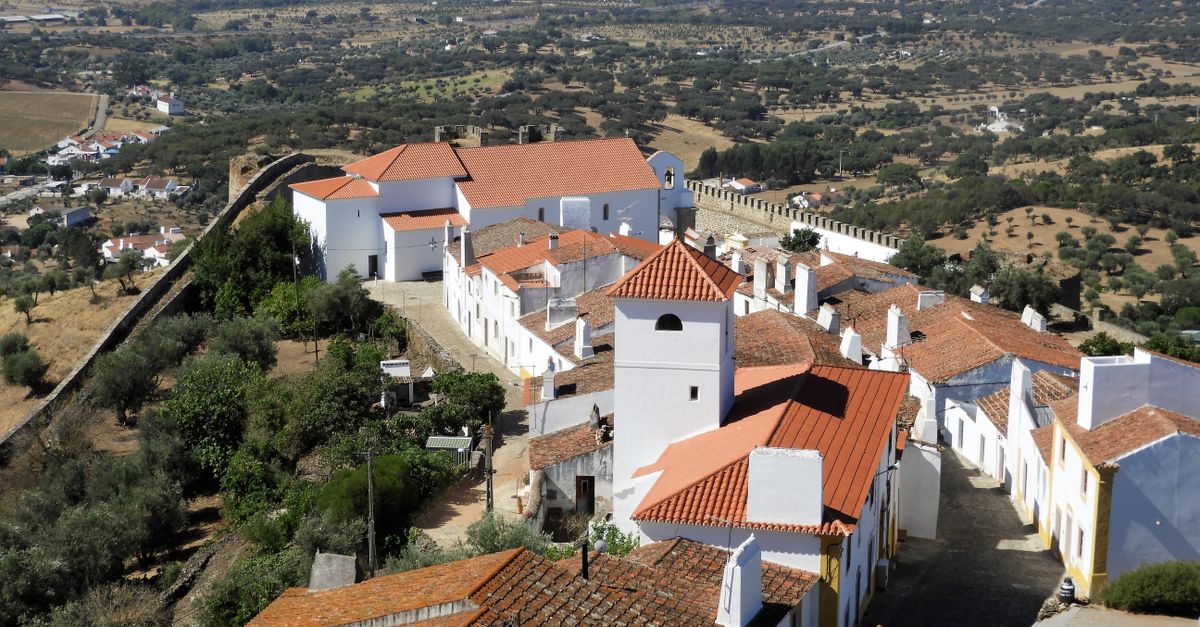
Herdade da Calada
A 19th-century Alentejo estate near Borba, relaunched as a modern boutique winery making structured reds and crisp whites from the Évora sub-region; stylish on-site accommodation in a renovated farmhouse.

Herdade de Coelheiros
A long-established Évora estate with integrated olive groves, walnut orchards and vineyards, known for balanced Alentejo reds and the white 'Taboadella' range; a quieter, more rural alternative to Esporão.
Nearby
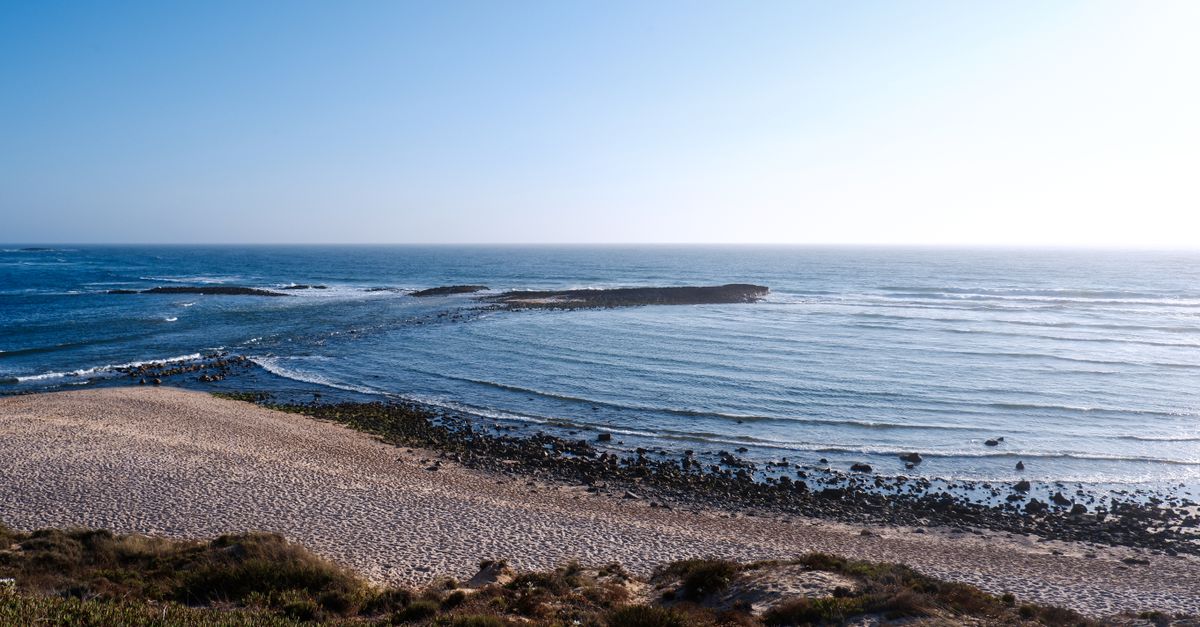
Vila Nova de Milfontes
The main town of the Alentejo coast, at the mouth of the Mira river.


Évora
A walled university city in the Alentejo plain — Roman temple, bone chapel, whitewashed streets, and the regional capital of slow, serious food and wine.
Where it sits