Castelo de Estremoz
Dominating the Alentejo skyline, the 13th-century Castelo de Estremoz features a striking marble keep that serves as a testament to the town's regal and strategic military history. It remains one of the most imposing examples of medieval fortifications in the region, offering sweeping views of the surrounding countryside.
The quintessential Alentejo fortress experience, perfect for those who want to pair medieval grandeur with the town's famous marble-steeped atmosphere.

Why go
The castle is anchored by the Torre das Tres Coroas, a magnificent marble keep that offers panoramic vistas stretching across the plains of the Alentejo. Walking the ramparts provides an intimate look at the town's historic defensive architecture while allowing access to the beautifully preserved royal chapel.
Why you might skip it
Those expecting a fully furnished, opulent palace may be disappointed, as the site is primarily an architectural monument rather than an immersive, room-by-room museum. Travelers with limited mobility may find the steep, uneven cobblestone paths leading to the summit difficult to navigate.
What to do
Walk the perimeter of the fortress walls, climb the Torre das Tres Coroas for the views, and visit the chapel. Afterward, explore the surrounding Pousada da Rainha Santa Isabel, which is housed within the converted royal palace adjacent to the castle.
History & origin
Commissioned by King Dinis in the late 13th century, the castle served as a royal residence and a critical strategic defense point against Spanish forces. It is famously associated with Queen Isabel of Portugal, who died within these walls in 1336.
Getting there & around
Located in the upper town of Estremoz; public parking is available at the base of the hill, requiring a short but steep walk to the entrance.
The site is explored primarily on foot; be prepared for uneven stone pathways and stairs.
Common planning mistakes
Many visitors arrive during the midday heat without adequate sun protection or fail to account for the steep, cobblestone climb from the lower city center.
Less ideal for
Travelers with mobility issues and those who prefer highly curated, interactive museum experiences.
Practical notes
The area is generally open for external exploration, but verify individual site access for the tower and chapel as these can vary seasonally. Wear supportive walking shoes and carry water.
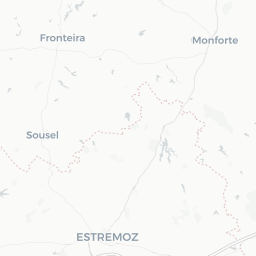
Where it sits