Aqueduto da Amoreira
The Aqueduto da Amoreira is a colossal 16th-century engineering marvel that stretches over five miles to supply Elvas with water. It remains one of the most imposing examples of military and civilian hydraulic architecture in the Iberian Peninsula.
An essential architectural pilgrimage for anyone traveling through the Alentejo interior.

Why go
The sheer scale of the aqueduct is breathtaking, especially as it approaches the city walls of Elvas. It provides a striking visual anchor to the town's defensive landscape and offers excellent photography opportunities as it rises up to four tiers high.
Why you might skip it
Those on a very tight schedule or with little interest in industrial history or civil engineering may find the walk along its length redundant compared to other UNESCO-listed sites nearby.
What to do
Walk the path tracing the arches from the outskirts toward the city gates, and admire the transition from massive base supports to the slender, delicate arches near the town center.
History & origin
Construction began in 1529 under Francisco de Arruda—the same architect behind the Belém Tower—to solve chronic water shortages, but it took over a century to complete due to funding and design challenges. It was finally finished in 1622 and remains the defining landmark of Elvas.
Getting there & around
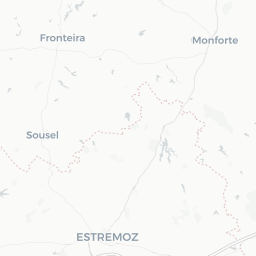
Located on the western approach to Elvas; easily accessed by car via the A6 or via local bus routes to the city center.
The site is an outdoor public monument; most of it is viewed from the ground level while walking along the adjacent trails or roads.
Common planning mistakes
Many visitors focus only on the section inside the city walls and miss the most impressive, multi-tiered spans located just outside the urban perimeter.
Less ideal for
Travelers expecting an interactive museum experience or those with limited mobility who struggle with uneven walking paths.
Practical notes
It is an outdoor structure open 24/7; ensure you wear comfortable shoes for walking on dirt paths if you intend to photograph the full stretch.
Where it sits