Castelo de Marvão
Perched precariously on the highest crest of the Serra de São Mamede, the Castelo de Marvão is a majestic 13th-century fortress offering unparalleled panoramic views over the Alentejo plains and the Spanish border. It serves as one of Portugal's most evocative examples of defensive military architecture integrated into a cliffside village.
The absolute high-water mark of the Alentejo, offering perhaps the most breathtaking defensive vista in all of Portugal.

Why go
The scale and preservation of the walls are exceptional, but the primary draw is the sensory experience of walking the ramparts. The views stretch to the horizon in every direction, and the quiet, whitewashed medieval village that spills down from the castle walls adds a layer of authentic, timeless charm that feels removed from the modern world.
Why you might skip it
Those with severe mobility issues or a paralyzing fear of heights will find the steep, uneven medieval cobblestones and unprotected drops along the ramparts challenging. It is also significantly out of the way for travelers sticking to the Lisbon-Algarve axis.
What to do
Walk the entire circuit of the battlement walls for the changing perspectives, explore the Cistern Room, and wander through the village's narrow, winding alleys to find local craft shops and the small, hidden gardens.
History & origin
Originally established by the Phoenicians and later expanded by the Romans, the current fortification dates primarily to the 13th-century reign of King Dinis. It played a critical strategic role as a defensive bastion against the Kingdom of Castile for centuries, witnessing countless sieges and border conflicts.
Getting there & around
Located in the Alto Alentejo, accessible by car via the N246 road; ample parking is available outside the walled village gates.
The site is explored entirely on foot; expect steep inclines and uneven terrain both within the village streets and on the castle walls.
Common planning mistakes
Many visitors arrive in the middle of a summer afternoon when the sun is harshest and the lack of shade makes walking the ramparts grueling. Also, failing to explore the village streets below the castle, which are just as atmospheric as the fortress itself.
Less ideal for
Travelers with limited time on a tight itinerary or those relying exclusively on public transport.
Practical notes
Wear sturdy footwear for cobblestones. The site is not wheelchair accessible due to stairs and uneven surfaces. Photography is unrestricted and encouraged.
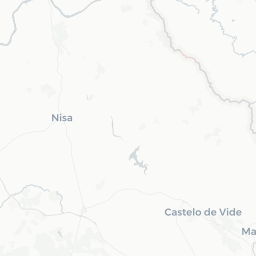
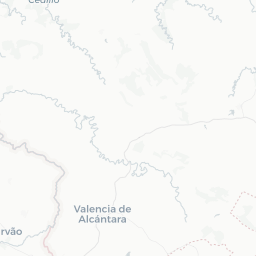
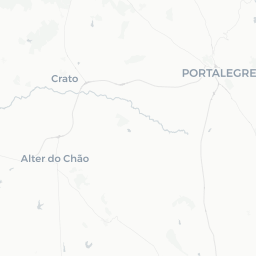
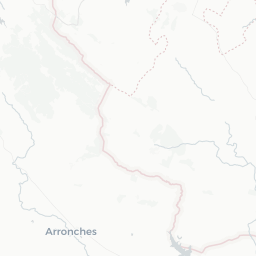
Where it sits