Marvão
An eagle's-nest walled village on a granite peak near the Spanish border — castle walls, a single gate, and views across two countries.
A spectacular detour in the northern Alentejo; pair with Castelo de Vide for a border-villages day.

Why go
One of the most dramatically sited villages in Portugal, with a castle walk along the walls and views to Serra da Estrela on a clear day. Almost empty.
Why you might skip it
A long way north of Évora; remote.
What to do
Walk the castle walls, the village gate, the church, the view; hike the border.
What to eat
Northern Alentejo mountain cooking; game.
Where to stay
A detour, rarely a night. (A half-day and a night)
Accommodations consist primarily of converted heritage houses located within the village walls. These properties offer stone interiors and views of the Spanish border but lack modern climate control systems, often leading to cooler nights. Staying inside the walls provides access to the sunrise over the valley but involves noise from foot traffic on cobblestones. Prices remain consistent throughout the year, though demand rises significantly during the chestnut festival in November, which necessitates reservations weeks in advance.
Getting there & around
Car.
The interior of Marvão consists of narrow, uneven cobblestone paths that permit no vehicular traffic. Motorists park outside the village walls in designated public lots near the main entrance gate. The village spans a small plateau at the summit of a granite mountain, rendering most internal transit limited to steep, pedestrian-only alleys. Public transport options to the village are essentially non-existent, leaving private car transit as the only viable method of arrival.
Common planning mistakes
The arrival schedule often ignores the steep topography and the isolation of the village. A common planning failure involves underestimating the time required for steep uphill walks from the parking areas to the higher accommodation points. Many itineraries attempt a day trip combined with distant cities, which results in rushed encounters with the castle. The lack of interior vehicular access creates issues when heavy luggage accompanies an arrival, as no transport service exists within the fortified walls.
Less ideal for
The steep, uneven, and narrow cobblestone paths make the village ill-suited for individuals with mobility challenges or those requiring wheelchair access. Large families with excessive amounts of luggage face significant difficulties due to the prohibition of vehicles inside the residential zones. The lack of variety in evening activities and the extreme quiet make the village less attractive for those seeking active nightlife, high-end shopping, or a dense schedule of diverse cultural attractions beyond the historical architecture.
Practical notes
The castle walls offer no shade during the peak of summer, and winter temperatures at the summit are significantly lower than in the surrounding plains. The village gates close or become difficult to navigate after dark. Most establishments operate on seasonal hours, and credit card acceptance is not universal, making cash a requirement. The climb to the highest watchtower is narrow, steep, and lacks handrails, presenting a challenge for individuals with limited mobility.
What's here

Castelo de Marvão
Sitting on the highest crest of the Serra de São Mamede, the 13th-century Castelo de Marvão provides views across the Alentejo plains to the Spanish border. It is a defensive structure integrated into a cliffside village.
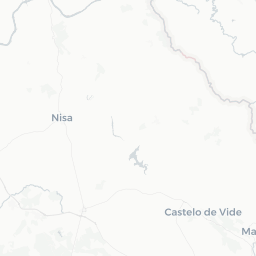
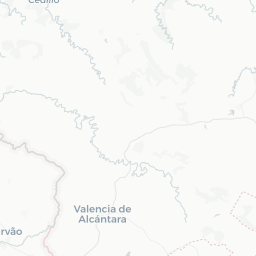
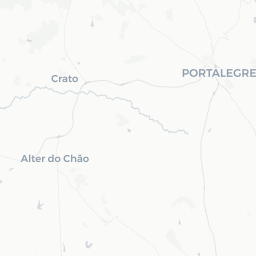
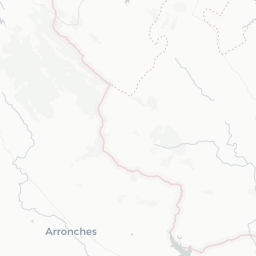
Where it sits


More places in Alentejo

Comporta
A low, sandy, pine-and-rice coast south of the Tagus — barefoot beaches, wooden cabanas, and Portugal's most quietly fashionable escape.

Mértola
A walled river-port village in the deep south-east Alentejo — Moorish past, a castle over the Guadiana, and one of Portugal's least-visited old towns.

Alqueva Lake
Europe's largest artificial reservoir and a designated Dark Sky Reserve—still water, hilltop settlements, and clear night skies.

Elvas
A star-fortress border city near Spain — monumental ramparts, an aqueduct, and an Amieira aqueduct by the same architect as Évora's.


Évora
A walled university city in the Alentejo plain — Roman temple, bone chapel, whitewashed streets, and the regional capital of slow, serious food and wine.
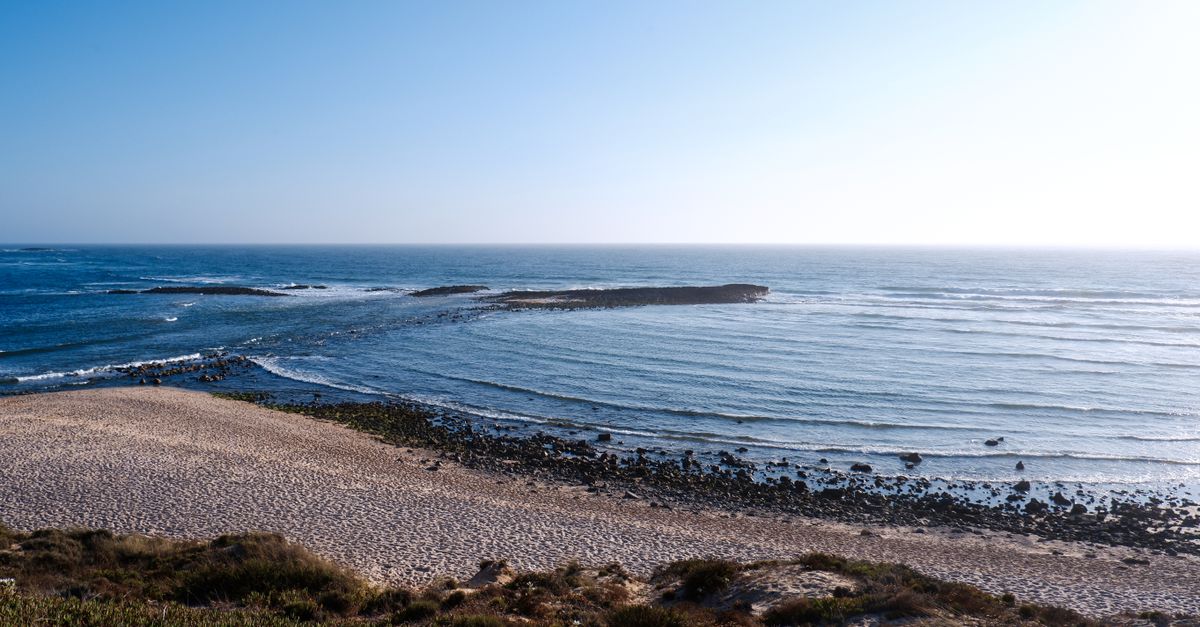
Vila Nova de Milfontes
The main town of the Alentejo coast, at the mouth of the Mira river.
We may earn a commission from bookings made through these links. It never changes what we recommend, or what we leave out.