Anta Grande do Zambujeiro
Anta Grande do Zambujeiro is a Neolithic dolmen composed of large granite slabs arranged into a chamber and corridor. It is one of the largest such structures in Europe.
This site serves as an example of megalithic engineering. It is worth the detour for those interested in prehistoric funerary architecture.

Why go
The structure consists of towering granite stones forming a long corridor and a central chamber. The scale of the individual blocks is evident upon arrival.
Why you might skip it
Those without interest in Neolithic archaeology will find little beyond the stones themselves. Access requires driving on unpaved rural roads.
What to do
Observe the structure of the central chamber and the corridor, and inspect the granite capstones. View the site from the surrounding Alentejo landscape.
What to eat
The immediate vicinity offers no commercial amenities, as the dolmen stands within private agricultural land. Consumption of local Alentejo fare requires a return to the city of Évora. Traditional dishes such as açorda alentejana, a bread-based soup seasoned with coriander and garlic, or porco preto, Iberian black pork, serve as the standard culinary staples within the city walls following a visit to the surrounding megalithic circuits.
History & origin
Built between 4000 and 3000 BCE, this monument served as a communal burial site. Excavations beginning in the 1960s uncovered stone tools, pottery, and other artifacts within the chamber.
Getting there & around
Located southwest of Évora. A car is required to reach the site, which sits at the end of unpaved, winding rural roads.
The path from the road to the monument is short and uneven; wear sturdy shoes.
Work out how Anta Grande do Zambujeiro connects to another stop
Common planning mistakes
Failing to download offline maps; cell service is intermittent in the Valverde area.
Less ideal for
This site is ill-suited for individuals requiring paved paths or mobility assistance, as the approach involves uneven dirt trails and loose gravel. Furthermore, those seeking a structured museum experience with guided narratives or amenities will find the isolated nature of the dolmen unrewarding.
Practical notes
The site sits at the end of a winding dirt road southwest of Évora, requiring twenty minutes of travel from the main highway. A protective metal structure now covers the megalithic chamber, restricting physical access to the interior. The granite slabs, standing several meters high, define the Neolithic construction. Total viewing time covers fifteen minutes, as there are no supplementary interpretive displays or staff presence on site.
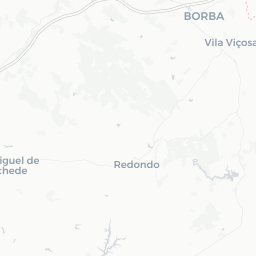
Where it sits




More history in Alentejo

Andanças (Redondo)
Andanças focuses on global dance and music, centering on workshops and traditional folk heritage. It functions as a participatory event where participants engage in movement rather than observing performances.

Aqueduto da Amoreira
The Aqueduto da Amoreira is a 16th-century hydraulic structure extending over five miles to supply Elvas. It serves as a prominent example of regional water infrastructure from the Iberian Peninsula.

Capela dos Ossos
This 16th-century chapel, attached to the Church of Saint Francis in Évora, displays the bones and skulls of approximately 5,000 monks along its walls and pillars. It serves as a physical memento mori regarding the transience of life.

Castelo de Estremoz
Dominating the Alentejo skyline, the 13th-century Castelo de Estremoz features a marble keep that serves as a military fortification. It remains an example of medieval defensive construction, providing views of the surrounding countryside.

Castelo de Marvão
Sitting on the highest crest of the Serra de São Mamede, the 13th-century Castelo de Marvão provides views across the Alentejo plains to the Spanish border. It is a defensive structure integrated into a cliffside village.

Castelo de Mértola
Castelo de Mértola overlooks the Guadiana River, marking the center of a town defined by layers of occupation. Its walls and keep record the transition from an Islamic stronghold to a Christian military outpost.
We may earn a commission from bookings made through these links. It never changes what we recommend, or what we leave out.