Sericaia
A baked egg-cinnamon custard with stewed plum — the Alentejo's great convent dessert.
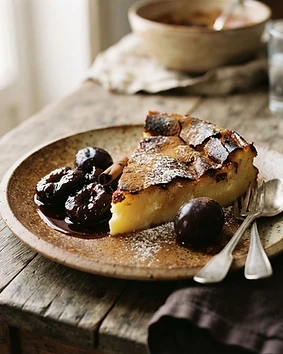
The majestic, crackled custard that defines the sweet identity of the region. It is the essential dessert of the Alentejo, elegant in its simplicity and dramatic in its presentation.
It serves as the definitive end to a classic Alentejo meal, providing a cooling, creamy contrast to savory pork dishes.

Where it comes from
Like many of Portugal’s iconic egg-based desserts, this finds its roots in the convent culture of the region. It is believed to have been influenced by early trade routes that brought exotic spices like cinnamon to the Portuguese palate. Over time, it became the signature dessert of Elvas and the surrounding areas, often prepared for high-status guests. The recipe is a protected emblem of regional identity, passed down through generations of home cooks.
The dish
This is a baked, flourless egg custard seasoned with cinnamon and cooked in a wide, shallow earthenware dish. During the high-heat baking process, the custard rises and cracks, creating a unique, undulating surface. It is traditionally served cold with a side of syrup-soaked plums, providing a perfect acidic balance to the creamy, spiced custard.
Key ingredients
- 01Eggs
- 02Milk
- 03Sugar
- 04Cinnamon
- 05Plums
When to eat it
It is best served chilled, making it a perfect year-round finish to a lunch.
Why you might skip it
Travelers who prefer fruit-forward or textured desserts might find the uniform, egg-based profile too monotone.
Good to know
Ensure it is served in an earthenware dish for the most authentic experience, available in almost any traditional restaurant in Elvas.
Serve with

Adega Mayor
A bold modern winery near Campo Maior designed by architect Souto de Moura, on the eastern Alentejo border — making a broad range of accessible reds, whites and a notable Bairrada-influenced set; one of the region's most striking buildings.

Alentejo
The great warm-climate red region of the south — Aragonez, Trincadeira and Alicante Bouschet across eight sub-regions from the granite of Portalegre to the heat of Vidigueira. Generous, approachable, and the gateway wine for most newcomers to Portugal.
Eat


Açorda Alentejana
A bread, garlic and olive oil mash with a poached egg — the Alentejo's defining humble dish.

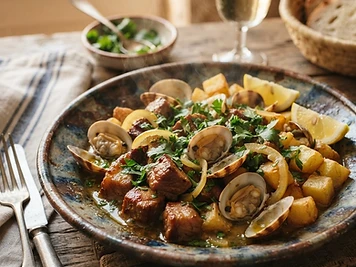
Carne de Porco à Alentejana
Pork and clams together — the Alentejo's most famous surf-and-turf, despite debate over its origin.

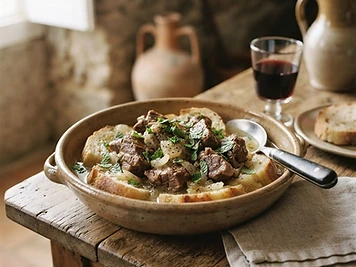
Ensopado de Borrego
Lamb braised in bread broth — a festive Alentejo stew of the interior hills.
Where to find it
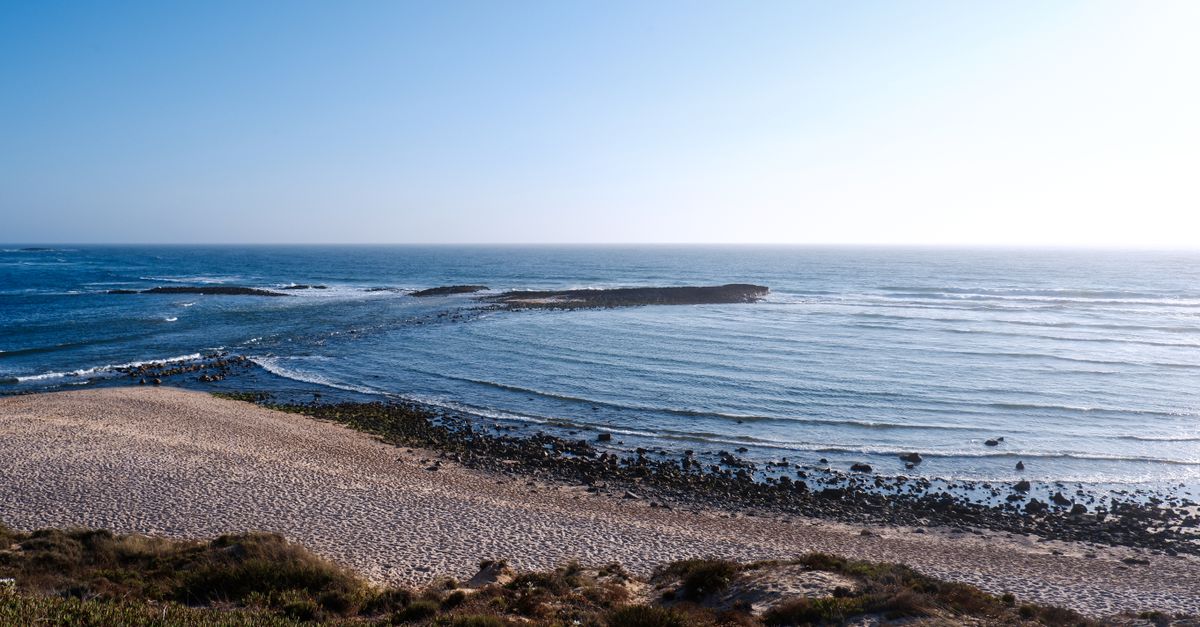
Vila Nova de Milfontes
The main town of the Alentejo coast, at the mouth of the Mira river.


Évora
A walled university city in the Alentejo plain — Roman temple, bone chapel, whitewashed streets, and the regional capital of slow, serious food and wine.