Pão de Rala
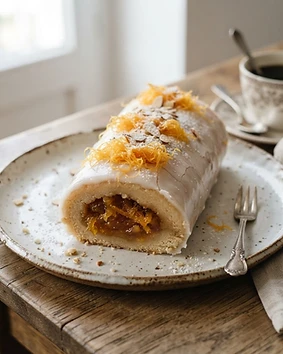
A tube of egg-yolk cream wrapped in squash jam — Évora's celebrated convent sweet.
A confection of stunning visual and sugary precision that speaks to the opulence of the old religious houses. It is a dense, glorious tribute to the egg-yolk tradition of Évora.
It is an essential experience for those who wish to understand the high-convent sugar craft of Portugal.
Where it comes from
Created by the nuns in the convents of Évora, where the surplus of egg yolks from wine clarification made them a common ingredient. The nuns utilized almond-rich local crops and indigenous squash to craft elaborate sweets for the aristocracy. The name implies a rustic origin, yet the complexity of the preparation is anything but simple. It remains a celebrated icon of Alentejo's long-standing monastic culinary legacy.
The dish
The sweet is a molded, firm tube consisting of a center of intensely rich egg-yolk cream encased in a shell of almond paste and squash jam. It is typically shaped into a cylinder or a small loaf, often dusted with a light coating of sugar. Eating it is an exercise in indulgence, where the texture is smooth, dense, and powerfully sweet.
Key ingredients
- 01Egg yolks
- 02Almond paste
- 03Squash jam
- 04Sugar
When to eat it
It is a classic year-round treat but is particularly common during major religious festivals in Évora.
Why you might skip it
Its extreme sweetness and density make it a difficult choice for anyone who is not a dedicated lover of marzipan-style desserts.
Good to know
Purchase it from traditional pastry shops, specifically those advertising convent-made recipes in the heart of Évora.
Serve with

Adega Mayor
A bold modern winery near Campo Maior designed by architect Souto de Moura, on the eastern Alentejo border — making a broad range of accessible reds, whites and a notable Bairrada-influenced set; one of the region's most striking buildings.

Alentejo
The great warm-climate red region of the south — Aragonez, Trincadeira and Alicante Bouschet across eight sub-regions from the granite of Portalegre to the heat of Vidigueira. Generous, approachable, and the gateway wine for most newcomers to Portugal.
Eat


Açorda Alentejana
A bread, garlic and olive oil mash with a poached egg — the Alentejo's defining humble dish.

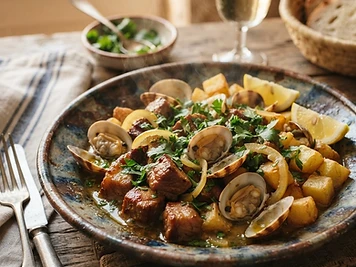
Carne de Porco à Alentejana
Pork and clams together — the Alentejo's most famous surf-and-turf, despite debate over its origin.

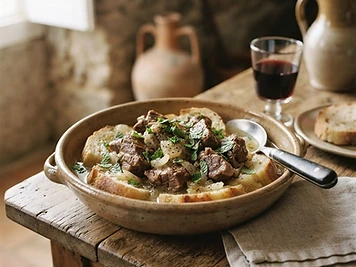
Ensopado de Borrego
Lamb braised in bread broth — a festive Alentejo stew of the interior hills.
Where to find it
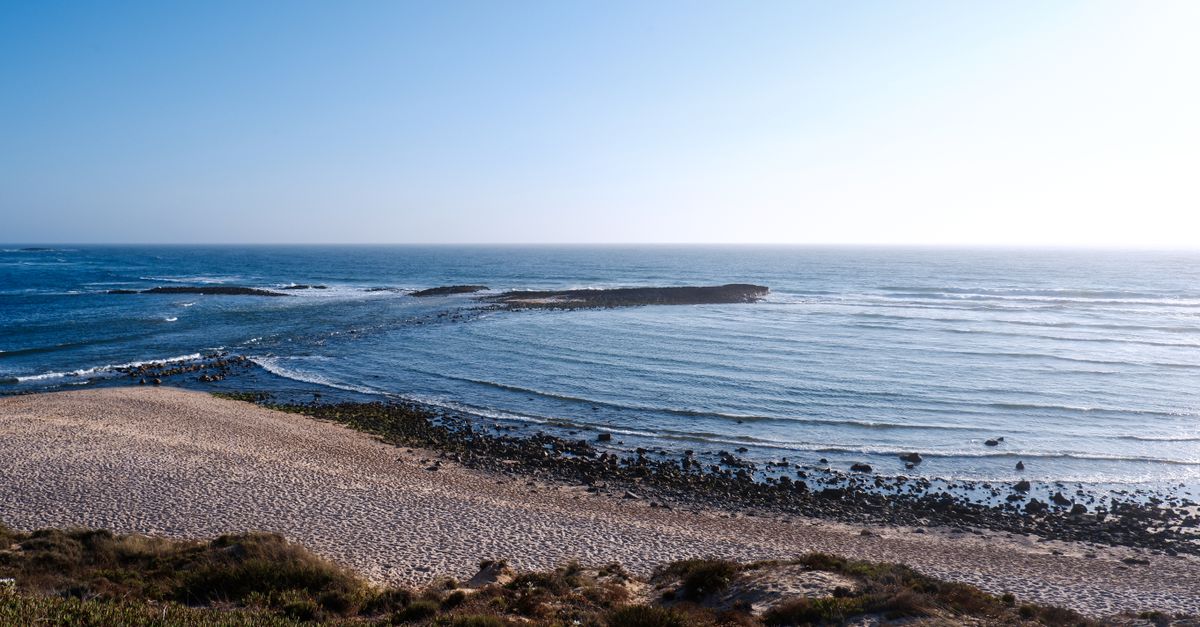
Vila Nova de Milfontes
The main town of the Alentejo coast, at the mouth of the Mira river.


Évora
A walled university city in the Alentejo plain — Roman temple, bone chapel, whitewashed streets, and the regional capital of slow, serious food and wine.