Alfama
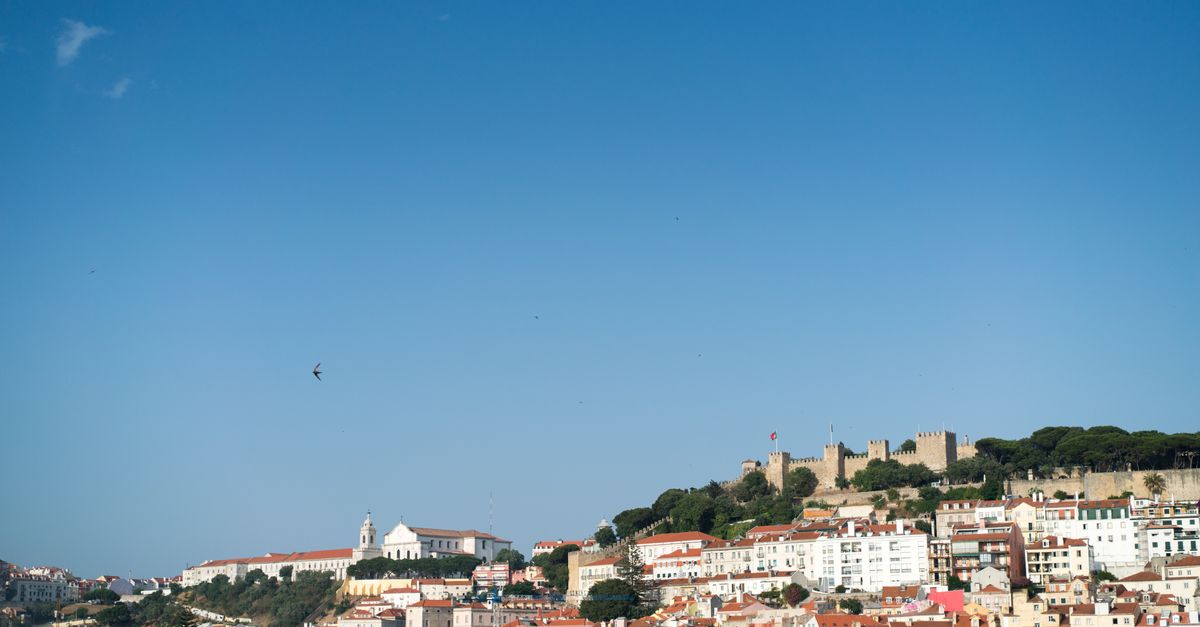
Lisbon's oldest quarter — a survival of Moorish-era lanes, fado houses, and river views from the castle hill.
Essential to see; choose carefully where you sleep and eat fado.
Why go
The most atmospheric part of Lisbon, with real fado, tiny lanes, and the castle above. Best wandered early morning or late evening.
Why you might skip it
Steep and cobbled (hard for mobility); touristy fado restaurants outnumber good ones.
What to do
Wander the lanes, São Jorge Castle, the Sé, a fado evening at a small casa, the Miradouro de Santa Luzia.
What to eat
Petiscos and fado; grilled fish at a small tasca off the main lanes.
Where to stay
A day trip, not a bed. (A half-day and an evening)
Accommodations consist primarily of small guesthouses and short-term apartment rentals located within historic buildings. Staying in the higher elevations provides better views of the river but requires climbing steep stairs with luggage. Lower-lying areas offer proximity to the riverfront and transit links, though noise levels from passing crowds and nightly music increase significantly after dusk. Budget options are rare, with most properties commanding premiums due to the central location.
Getting there & around
Access Alfama on foot from Baixa or by taking the 28 tram, though the latter is frequently crowded. Avoid bringing a car, as the narrow, steep lanes are largely impassable for vehicles and parking is effectively non-existent.
Alfama consists of a dense, labyrinthine network of steep cobblestone lanes accessible almost exclusively on foot. Tram 28 traverses the perimeter, though capacity remains a consistent limitation. Motor vehicles face absolute prohibition in the interior due to the narrow geometry of the alleys. No formal parking exists within the quarter, and private transit is impractical. The ascent from the riverfront to the castle peak requires sustained physical effort over irregular stone surfaces, with navigation dictated by the ancient, non-linear street grid.
Common planning mistakes
The reliance on the 28 tram as a primary transport method frequently leads to delays during peak periods. Misjudging the steepness of the streets often results in overestimating walking speeds, particularly when navigating the uneven cobblestones with luggage. Expecting vehicle drop-offs directly at a doorstep in the lower Alfama zone is physically impossible given the architectural constraints of the Moorish-era layout. Relying on GPS navigation within these tight alleyways often results in signal loss or inaccurate pathing.
Less ideal for
This area is less ideal for travelers carrying large amounts of luggage, as the stairs and steep inclines make transport difficult. Families with strollers find the narrow, uneven paths almost impossible to navigate safely. Individuals expecting quiet, private lodging find the thin walls and high foot traffic disruptive. It is also unsuitable for those relying on constant taxi or rideshare access, as vehicles cannot reach most front doors.
Practical notes
Sunlight reflects off the limestone facades, creating high temperatures during summer afternoons. Walking shoes with thick rubber soles provide necessary traction on the smooth, uneven cobblestones. Public restrooms are rare, requiring dependence on cafe facilities. Most shops operate on local schedules, closing for a break in the afternoon. Phone maps often fail to track vertical elevation changes, so following street signs remains a more reliable method for orientation.
Where it sits


More places in Lisbon

Cascais
A former royal resort town at the mouth of the Tagus — beaches, a marina, and an easy, polished base west of Lisbon.

Ericeira
A whitewashed surf town on cliffs above the Atlantic — Portugal's surf capital and a World Surfing Reserve.

Setúbal
A working port and fishing city south of the Tagus — the gateway to the Arrábida and the best moscatel.


Sintra
A fairy-tale royal hill town of palaces and forest — the Pena Palace, the Moorish Castle, Quinta da Regaleira, and the mist that makes it all otherworldly.
We may earn a commission from bookings made through these links. It never changes what we recommend, or what we leave out.