Madeira
A subtropical volcanic island of levadas, peaks, Laurisilva forest and a year-round spring climate — a destination guide in itself.
A trip anchor. Not a beach destination — a walking, scenery and wine island. Give it a week.

Why go
Levada walks through Laurisilva cloud forest, dramatic peaks (Pico do Areeiro to Ruivo), coastal cliffs, natural volcanic pools, Madeira wine, and a climate that's gentle year-round. Exceptionally safe and clean.
Why you might skip it
Not for beach lovers (the 'beach' is lava rock); very little flat ground; can be cloudy and rainy on the north.
What to do
Levada walks (25 Fontes, Caldeirão Verde), the Pico do Areeiro–Ruivo ridge, Cabo Girão cliff, natural pools at Porto Moniz, a Madeira wine tasting, the Monte cable car.
What to eat
Espetada (beef skewers), bolo do caco, lapas, passion fruit desserts, Madeira wine.
Where to stay
Build the trip around it. (5–7 nights)
Funchal provides the most accessibility to restaurants, transit hubs, and services, though it carries higher accommodation costs and increased evening noise. Staying in the western coastal hotels offers immediate proximity to sunnier cliffs and tourist infrastructure. Rural estalagens or converted manor houses dot the northern slopes, providing quiet seclusion but requiring a car for every journey. Prices reflect the level of seclusion, with city center options commanding a premium for proximity and coastal villas for view and space.
Getting there & around
Fly into Funchal (FNC).
Car is very helpful; tours and buses cover the main sights.
Common planning mistakes
Three nights and no car; expecting beaches; underestimating how vertical the walking is.
Less ideal for
Beach seekers; travelers wanting nightlife or flat walking.
Practical notes
Flight paths into FNC feature crosswinds that occasionally necessitate diversions or delays. Weather patterns change rapidly between the sunny southern coast and the misty, rain-prone peaks of the central massif. The island sits in a subtropical climate zone, maintaining mild temperatures year-round, which keeps the vegetation perpetually green. Levada walks require sturdy footwear and occasional flashlight use for tunnels, while mountain peak trails demand checking real-time webcams for cloud cover before departure.
What's here

Vereda do Fanal
Vereda do Fanal is a plateau featuring ancient, twisted laurel trees that are frequently obscured by low-hanging cloud cover. It is a protected segment of the Laurisilva forest.

Levada do Rei
Levada do Rei follows a water channel in northern Madeira through laurel forest and along steep valley walls. It provides access to high-density vegetation and water-managed terrain with a moderate physical requirement.

Piscinas Naturais do Porto Moniz
Seawater pools formed within volcanic rock, integrated into the Atlantic coastline at Porto Moniz. These basins rely on tides to replenish the water, separated from the open ocean by jagged basalt barriers.

Paul da Serra
Paul da Serra is Madeira's only significant plateau, a vast, windswept tableland offering a starkly different landscape from the island's coastal areas and lush levadas. Its unique open terrain and endemic flora make it a vital ecological site and a rewarding destination for those seeking solitude and dramatic vistas.

Pico Ruivo
Pico Ruivo is the highest point on Madeira, rising to 1,862 meters above the volcanic interior. It is the destination for the island's most frequently walked high-altitude trail.

Fanal (Floresta Laurissilva)
Fanal is a laurel forest on the Paul da Serra plateau, known for its gnarled, centuries-old Til trees. It is a UNESCO-recognized site with a distinct landscape of twisted vegetation unique to the Madeira highlands.

Levada do Caldeirão Verde
This 13-kilometer trail follows an irrigation channel through the laurel forest of the Santana region, terminating at a 100-meter waterfall. It serves as a primary example of Madeira's levada network.

Levada das 25 Fontes
The Levada das 25 Fontes follows an irrigation channel through laurel forest to a rock amphitheater where springs feed a pool. It is one of Madeira's most walked paths, notable for the waterfalls and high-walled greenery.

Vereda do Areeiro (Pico do Areeiro → Pico Ruivo)
The Vereda do Areeiro (PR1) connects the third and first highest peaks on Madeira. The route traverses volcanic ridges, tunnels, and steep staircases across the island's central massif.


Espetada
Beef skewers grilled over wood and basted in garlic butter—Madeira's signature dish, served hanging from an iron frame.


Bolo do Caco
A round, flat bread made with sweet potato, traditionally cooked on a basalt stone. It serves as the standard local loaf and the base for regional sandwiches.


Peixe-Espada Preto
Black scabbardfish, deep-fried or baked — the strange, deep-sea fish that Madeira made its own.


Bolo de Mel
A dark, spiced cake made with sugarcane molasses, walnuts, and local spices, long associated with Madeira.


Polvo à Madeirense
Octopus with fried potatoes and garlic — Madeira's take on the country's octopus love.


Milho Frito
Fried cubes of cornmeal and kale — Madeira's garlicky answer to fries.

Henriques & Henriques
One of the oldest Madeira houses (founded 1850), now with a modern winery at Câmara de Lobos and its own vineyards — unusual on the island — producing a full range including rare Terrantez.

Blandy's Wine Lodge
The Blandy family's Madeira lodge in central Funchal serves as a primary site for Madeira production, containing a museum and cooperage, with guided tastings of four grape styles from Sercial to Malvasia.

D'Oliveiras
A Funchal lodge holding stocks of Madeira dating to the 1850s. It operates as an old-school tasting room for collectors seeking vintage bottles.

Madeira
One of the world's great fortified wines — made on a single volcanic island from Sercial, Verdelho, Bual and Malvasia grapes, heated and oxidised by the estufagem process into a wine that can age for centuries. The lodges of Funchal are the tasting destination.

Praia da Calheta
A golden sand bay on Madeira's south coast — imported sand, calm water, and the closest thing to a classic beach on the island.

Piscinas Naturais do Porto Moniz
Volcanic rock pools on Madeira's northwest coast. Seawater fills these lava-formed basins, providing protected swimming areas against the Atlantic swell.

Praia do Seixal
A striking black-sand cove on Madeira's north coast, backed by waterfalls and fern cliffs — wild and atmospheric.

Pico do Areeiro
The third-highest peak on Madeira, reachable by road and the start of a spectacular ridge walk.

Ponta de São Lourenço
The dramatic eastern peninsula of Madeira — a coastal cliff walk unlike the levada interior.
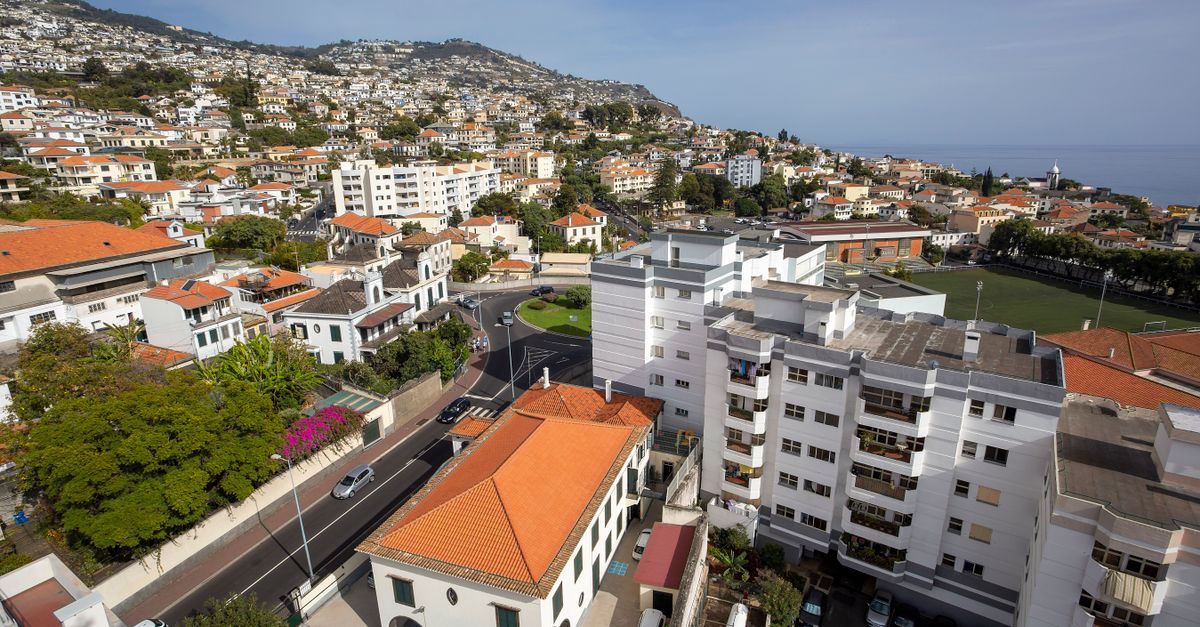
Funchal
Madeira's capital — a bay city of markets, gardens, wine lodges, and a tiled old town with a spectacular New Year's fireworks show.

Levada das 25 Fontes
The primary levada trail in Madeira, winding through the Rabaçal valley to a lagoon fed by twenty-five small springs.
Where it sits










Places across Portugal
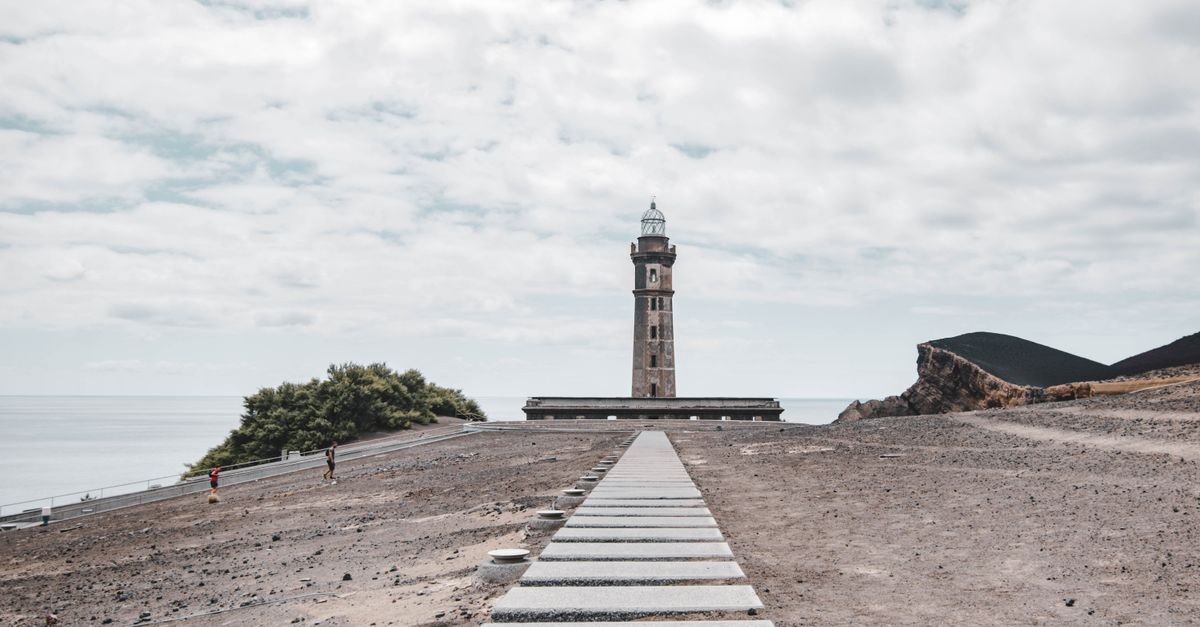
Faial
The blue island defined by a deep central caldera, the lunar landscape of the Capelinhos volcano, and a yachting hub in Horta.

Pico
The mountain island — Portugal's highest peak, vineyards grown in black lava, and a wild, black-rock coast. The Azores for the adventurous.


São Miguel
The largest Azores island — twin crater lakes, hot springs, tea plantations, and the only island most travelers see. Rightly so.

Terceira
The festive island — a UNESCO old town (Angra do Heroísmo), a huge volcanic cave, and the bull-running culture of the Azores.

Albufeira
The Algarve's party-and-resort capital — a pretty old town drowned in high-rise tourism and nightlife.

We may earn a commission from bookings made through these links. It never changes what we recommend, or what we leave out.