Bolo do Caco
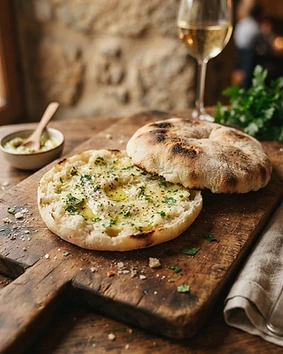
A round, flat bread made with sweet potato, traditionally cooked on a basalt stone. It serves as the standard local loaf and the base for regional sandwiches.
A staple of Madeiran cooking. It is the necessary foundation for any proper regional sandwich.
The texture is distinct—dense and chewy due to the sweet potato content, usually served warm and toasted.

Where it comes from
The name comes from the caco, a basalt slab used to bake the dough over embers. It originated as a rural staple when sweet potatoes provided a consistent, affordable starch for the island's population. It has since moved from a peasant food to a central component of local street-side cooking.
The dish
The bread is split, toasted on a griddle, and filled with garlic butter that melts into the crumb. Variations often include steak (prego) or octopus.
Key ingredients
- 01Sweet potato
- 02Wheat flour
- 03Yeast
- 04Garlic
- 05Salted butter
When to eat it
When purchased directly from a vendor, while the bread remains hot from the stone.
Why you might skip it
Mass-produced versions sold in supermarkets lack the fire-baked exterior and internal moisture of loaves from specialized kiosks.
Good to know
Look for kiosks or street stalls where the bread is grilled to order. Opening hours vary by location; confirm before visiting.
Serve with

Blandy's Wine Lodge
The Blandy family's Madeira lodge in central Funchal serves as a primary site for Madeira production, containing a museum and cooperage, with guided tastings of four grape styles from Sercial to Malvasia.

D'Oliveiras
A Funchal lodge holding stocks of Madeira dating to the 1850s. It operates as an old-school tasting room for collectors seeking vintage bottles.
Eat


Bolo de Mel
A dark, spiced cake made with sugarcane molasses, walnuts, and local spices, long associated with Madeira.


Espetada
Beef skewers grilled over wood and basted in garlic butter—Madeira's signature dish, served hanging from an iron frame.


Milho Frito
Fried cubes of cornmeal and kale — Madeira's garlicky answer to fries.
Where to find it
Funchal
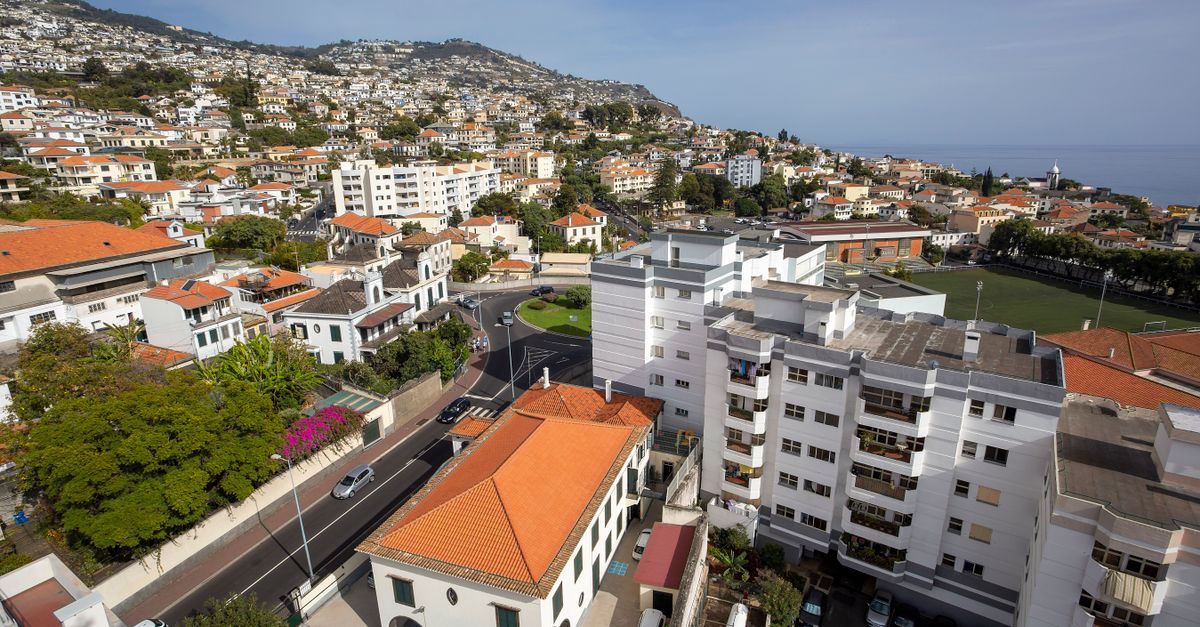
Madeira's capital — a bay city of markets, gardens, wine lodges, and a tiled old town with a spectacular New Year's fireworks show.


Madeira
A subtropical volcanic island of levadas, peaks, Laurisilva forest and a year-round spring climate — a destination guide in itself.
More to eat in Madeira


Peixe-Espada Preto
Black scabbardfish, deep-fried or baked — the strange, deep-sea fish that Madeira made its own.


Polvo à Madeirense
Octopus with fried potatoes and garlic — Madeira's take on the country's octopus love.

Belmond Reid's Palace (afternoon tea)
Belmond Reid's Palace serves afternoon tea on a cliffside terrace above the Atlantic. The ritual maintains Edwardian-era formality and reflects the island's history as a destination for 19th-century elite travel.

Mercado dos Lavradores (Funchal)
Mercado dos Lavradores operates within a 1940s Art Deco structure, concentrating regional produce and Atlantic fish. The space functions as a display of Madeiran agriculture, featuring varieties of local fruit and the island's black scabbardfish.