Pinhão
The heart of the Douro — a tiny riverside village with azulejo-clad train station and quintas walking distance apart.
The natural base for a Douro night if you're not staying at a quinta.
Why go
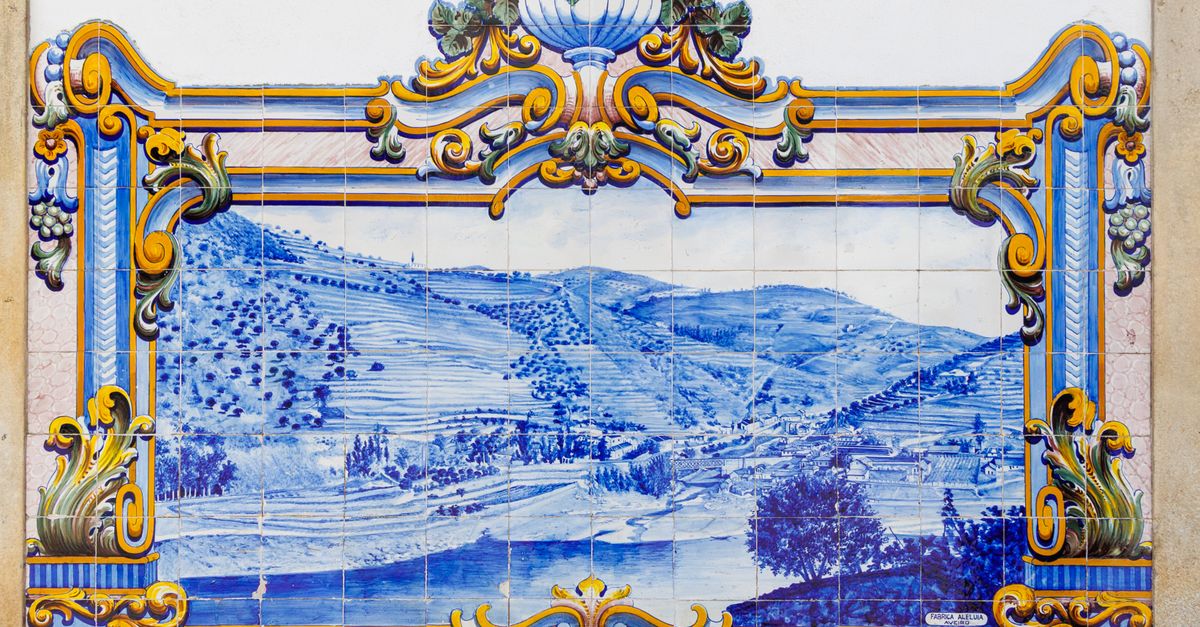
The train station's tiled panels, the river bend, and a cluster of quintas and tastings within a short drive or walk. It's the most photogenic single spot in the valley.
Why you might skip it
Very small — one quiet evening is the most it holds.
What to do
See the train station tiles, do a river cruise, visit nearby quintas, drive the N222.
What to eat
Regional tables highlight roasted lamb and traditional codfish prepared with olive oil from local groves. Menus feature Douro-specific delicacies like bread-based açorda and almond-based desserts. Dining happens primarily in small family-run establishments near the river or within renovated stone buildings on the hillsides. The local fortified wine serves as the standard accompaniment to every meal, reflecting the valley's viticultural identity rather than relying on imported drink selections.
Where to stay
One night, then move on. (1 night)
Accommodations range from riverfront hotels near the train tracks to renovated guesthouses tucked into the hills. Riverside rooms offer convenience and proximity to boat docks, though train noise persists throughout the day. Properties located on the slopes demand a steep walk but provide quieter surroundings and expansive valley views. Prices vary significantly by season, with peak demand during the September harvest months driving up costs for all lodging categories.
Getting there & around
Train from Porto to Pinhão station.
The village center remains compact, requiring only ten minutes to cross on foot from the riverside to the upper residential streets. Steep inclines define the roads leading to surrounding vineyards. A car provides necessary access to distant quintas, though parking near the waterfront stays limited during peak hours. No local bus network services the immediate village, making walking the primary method for reaching the train station or the nearest wineries located along the riverbanks.
Common planning mistakes
The schedule often suffers from poor timing regarding the train connections from Porto, leading to late evening arrivals after local kitchens close. Many schedules ignore the steepness of the surrounding hills, underestimating the time required to reach accommodations located on the slopes. Planning the entire trip around river cruises often leaves insufficient time to walk between the quintas that define the landscape. Relying solely on local transport frequently strands those hoping to explore the remote valley estates.
Less ideal for
The village proves difficult for those with limited mobility due to the sharp inclines that connect the river bank to the higher vineyards. It offers few activities for those uninterested in wine production or the history of viticulture. The quiet atmosphere remains unsuited for those seeking dense urban centers or diverse cultural nightlife. The reliance on river access makes the village feel repetitive for those who prefer mountainous landscapes or coastal settings rather than river valleys.
Practical notes
The train station sits directly on the riverfront, offering regular connections to Porto. Small grocery markets operate daily, but midday closures occur frequently between one and three in the afternoon. Cash proves useful for smaller transactions in local shops, although most establishments accept standard electronic payments. The tourist office located near the wharf provides current information on seasonal opening times for estates, which fluctuate based on the harvest calendar.
What's here

Douro Valley scenic drive (N222)
The N222 follows the Douro River through Portugal's primary wine region. The road passes directly beneath the terraced vineyards that characterize this UNESCO World Heritage landscape.
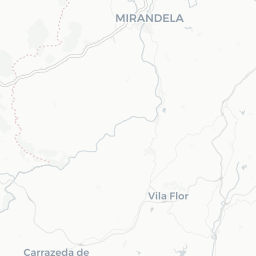
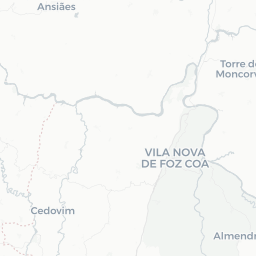
Where it sits



More places in Porto & North
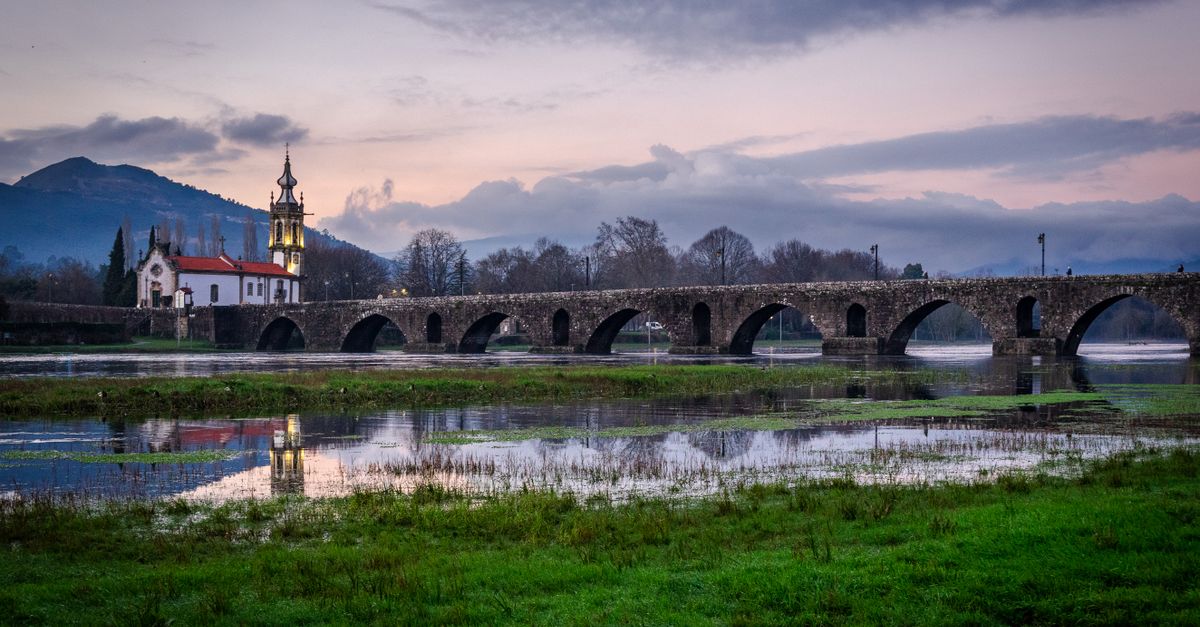
Ponte de Lima
Portugal's oldest town — a medieval bridge over the Lima, vineyards, and a calm, timeless Minho atmosphere.
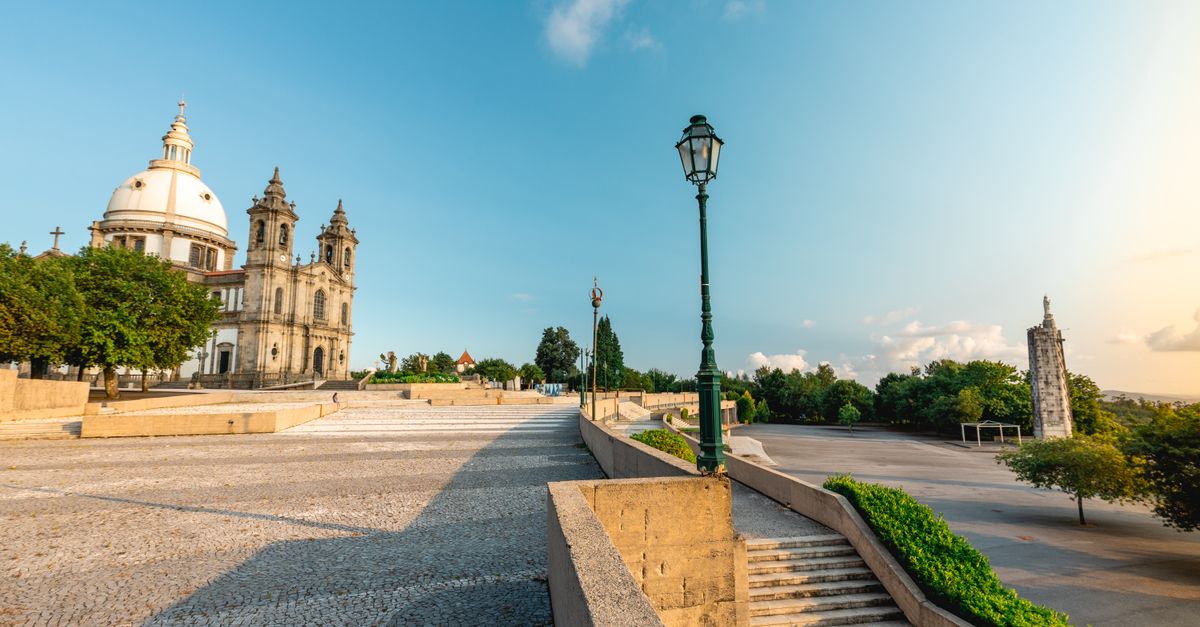
Braga
Portugal's religious center—a baroque city defined by its hillside sanctuary and a student population drawn from the local university.
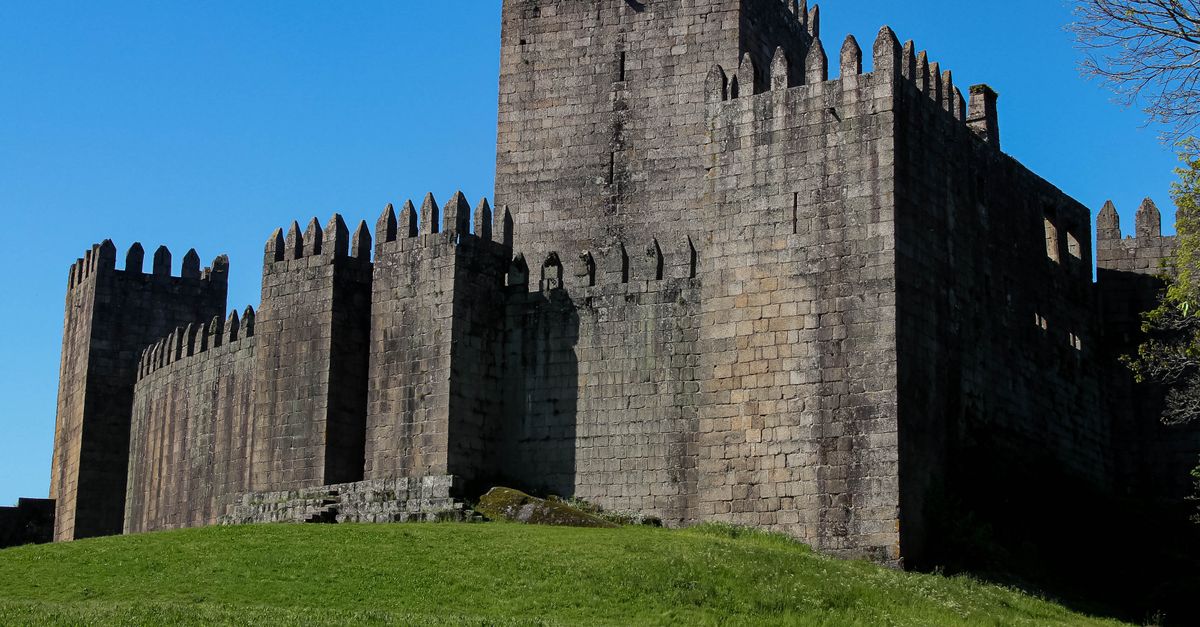
Guimarães
The 'birthplace of Portugal' — a medieval core with a hilltop castle, a ducal palace, and a UNESCO-listed historic center.
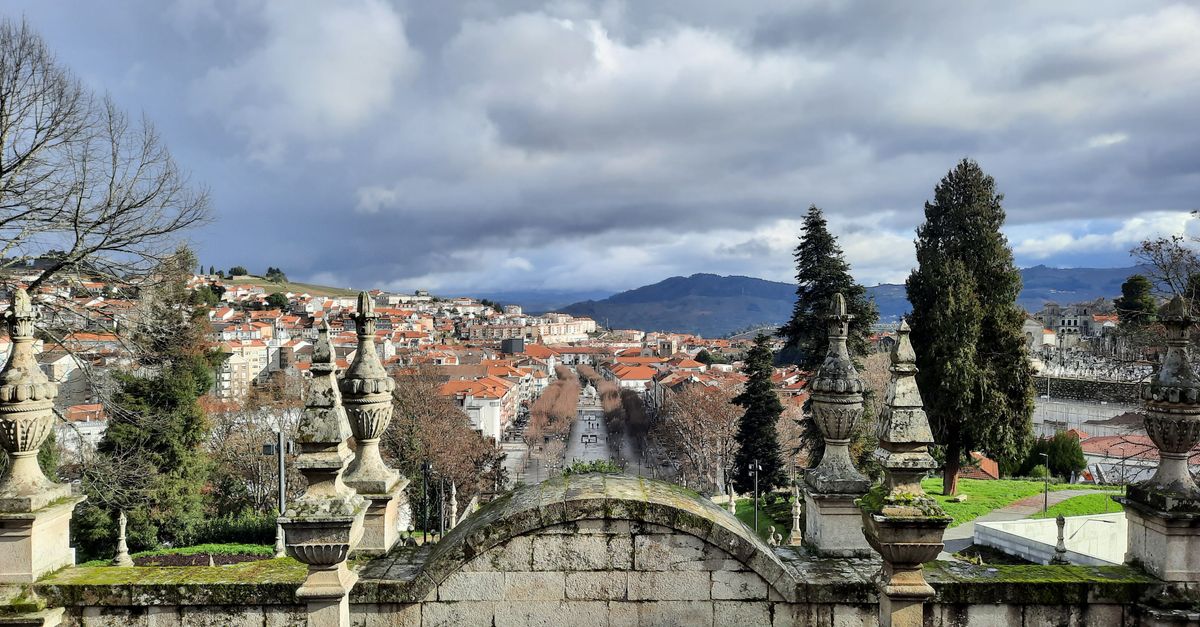
Lamego
A baroque hilltown between Porto and the Douro, known for the staircase sanctuary of Nossa Senhora dos Remédios.

Porto
Portugal's second city — granite, port wine, the Douro waterfront and a working, lived-in heart that Lisbon has partly lost to tourism.
Viana do Castelo
A graceful Minho coastal city — grand Manueline and Renaissance buildings, a wide sandy river mouth, and a hilltop sanctuary over the sea.
We may earn a commission from bookings made through these links. It never changes what we recommend, or what we leave out.