Viana do Castelo
A graceful Minho coastal city — grand Manueline and Renaissance buildings, a wide sandy river mouth, and a hilltop sanctuary over the sea.
The best base for the northern coast and Vinho Verde country.
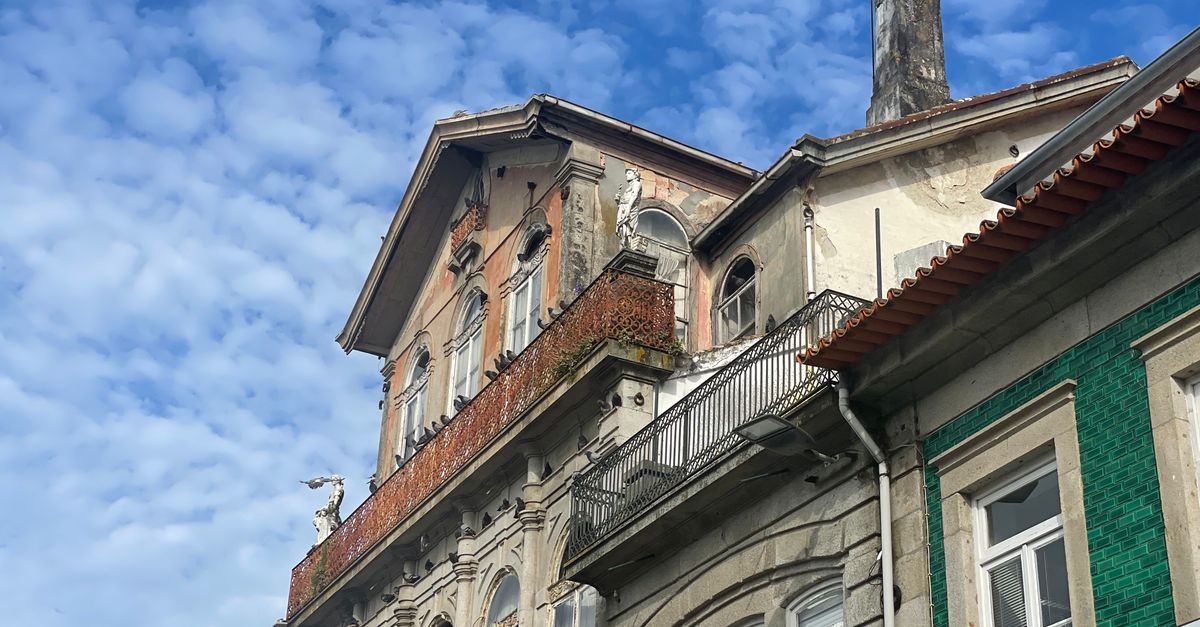
Why go
Praça da República, the Santa Luzia sanctuary views, the Costume Museum, and access to the green Minho coast. Less discovered than the south.
Why you might skip it
Out of the way unless you're doing the north or a Caminho stage.
What to do
Santa Luzia funicular, historic center, shipyard elevator, Cabedelo beach.
What to eat
Seafood, bacalhau, Vinho Verde.
Where to stay
One night, then move on. (1–2 nights)
The historic core offers proximity to the Praça da República, where narrow streets house boutique guesthouses inside renovated merchant buildings. These central spots prioritize architectural character but occasionally suffer from noise during summer festivals. The Santa Luzia hillside provides secluded hotels with panoramic views over the Atlantic, though these locations necessitate a car or funicular ride for access to the evening dining scene in the lower city.
Getting there & around
Train from Porto (~1h15).
Viana do Castelo consists of a flat, grid-patterned center manageable entirely on foot. A funicular connects the city floor to the Santa Luzia hilltop in seven minutes. Car access remains straightforward, though free public parking disappears rapidly near the riverfront during summer months. Regional bus lines terminate at the central station, while local transit serves the surrounding beaches and smaller Minho coastal villages for modest fares.
Common planning mistakes
Overlooking the seasonal winds at the Atlantic coast often results in poorly equipped packing for beach visits. Relying solely on public transport limits access to the deeper Vinho Verde estates located in the rural interior. Attempting to navigate the narrow historic streets during the August Romaria festival proves impossible by vehicle, as road closures fragment the central grid and redirect all traffic to the outskirts.
Less ideal for
Beach enthusiasts relying on foot traffic alone find the best oceanfront stretches located several kilometers outside the walkable city center. Those prioritizing luxury shopping or modern high-rise urban environments find the traditional scale of Viana do Castelo restrictive.
Practical notes
Cash remains useful for smaller markets and kiosks, although card acceptance is standard in shops. The train station sits within a ten-minute walk of the historic core. Most museums close on Mondays, while the Friday morning market at the Campo d'Agonia fills the public space with regional textiles and produce. Afternoon siestas reduce staffing in independent boutiques between one and three o’clock.
What's here

Romaria de Nossa Senhora d'Agonia
The Romaria de Nossa Senhora d'Agonia is a multi-day religious festival in Viana do Castelo featuring traditional costumes, heavy gold jewelry, and streets covered in carpets of flowers. It centers on the maritime traditions of the Minho region.

Santuário de Nossa Senhora d'Agonia
This 18th-century sanctuary sits above Viana do Castelo, serving as the site for the Romaria de Nossa Senhora d'Agonia festival.

Santuário de Santa Luzia
Sitting atop Monte de Santa Luzia in Viana do Castelo, this neo-Byzantine sanctuary provides an elevated vantage point over the Lima River estuary and the Atlantic. The structure serves as a regional landmark, combining monumental religious design with high-altitude views of the coast.

Praia do Cabedelo
A sand-spit beach at the mouth of the Lima, reached by a little ferry from Viana do Castelo — flat, wide, and kite-surf friendly.
Where it sits


More places in Porto & North
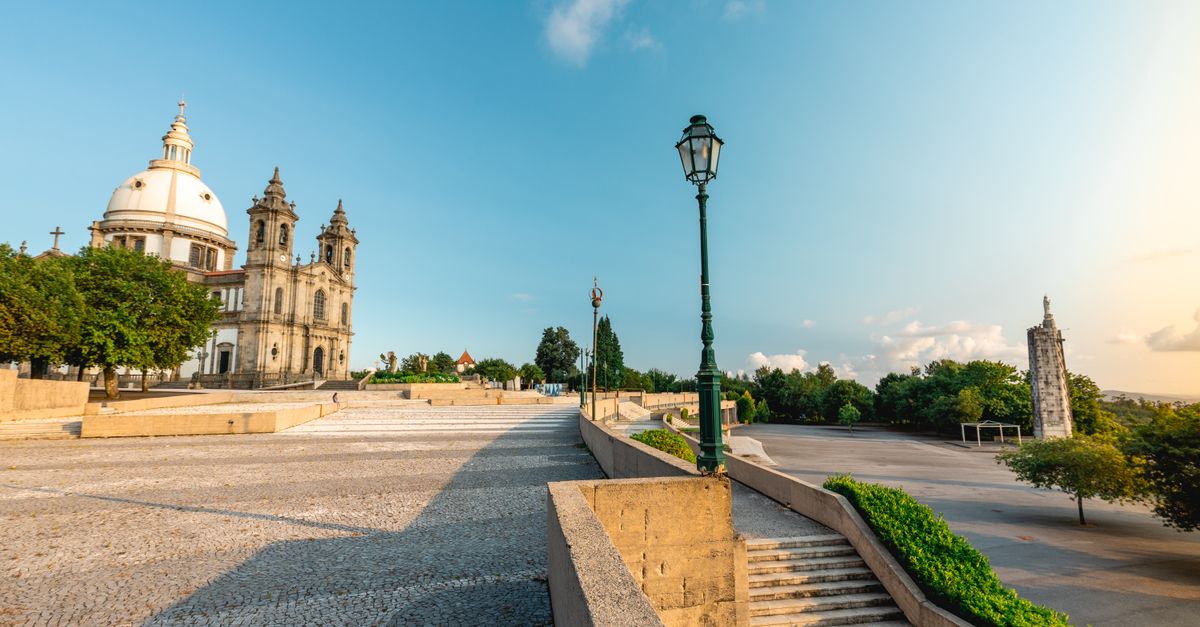
Braga
Portugal's religious center—a baroque city defined by its hillside sanctuary and a student population drawn from the local university.
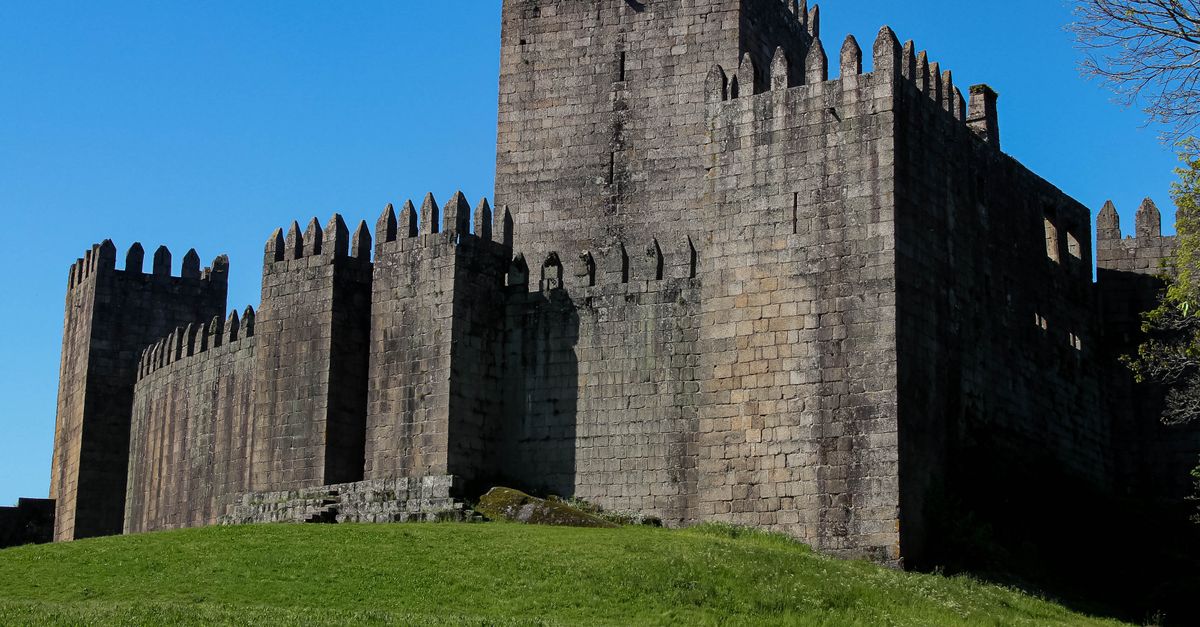
Guimarães
The 'birthplace of Portugal' — a medieval core with a hilltop castle, a ducal palace, and a UNESCO-listed historic center.

Porto
Portugal's second city — granite, port wine, the Douro waterfront and a working, lived-in heart that Lisbon has partly lost to tourism.
Vila Nova de Gaia
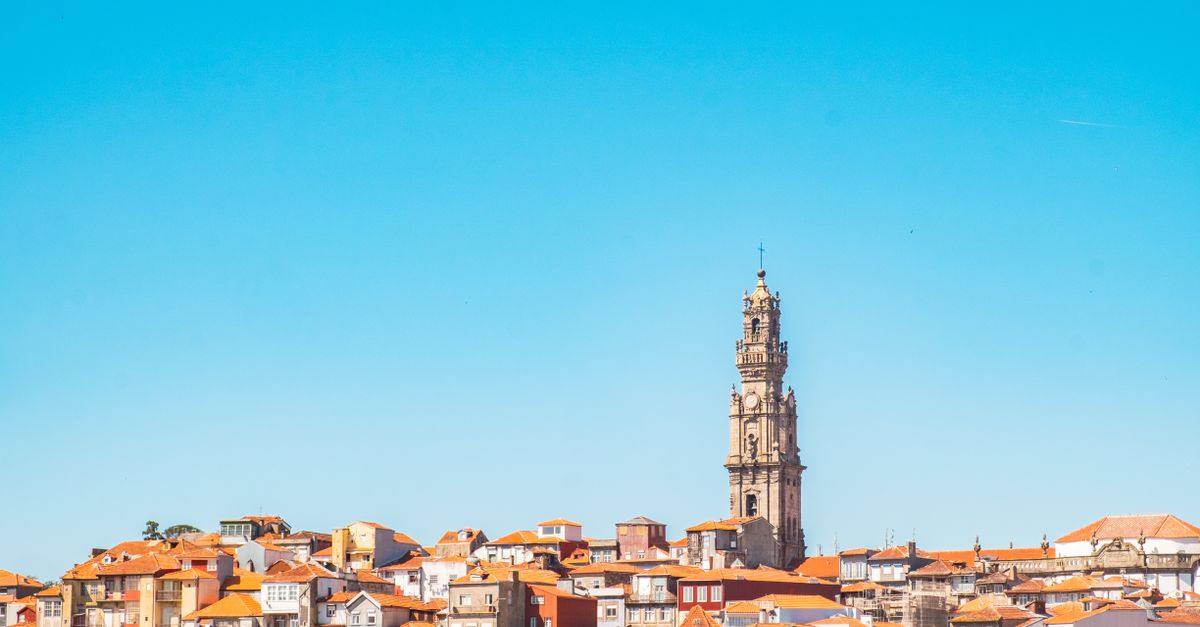
The south bank of the Douro opposite Porto, home to the aging warehouses of the port wine trade and the vantage points overlooking the Ribeira.

Douro Valley
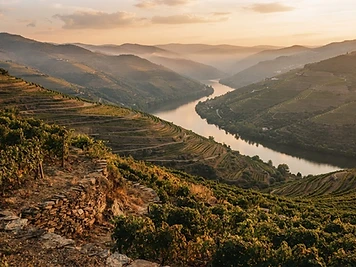
The world's oldest demarcated wine region — terraced vineyards climbing the banks of the Douro, port's birthplace, and one of the most beautiful river valleys in Europe.
Lamego
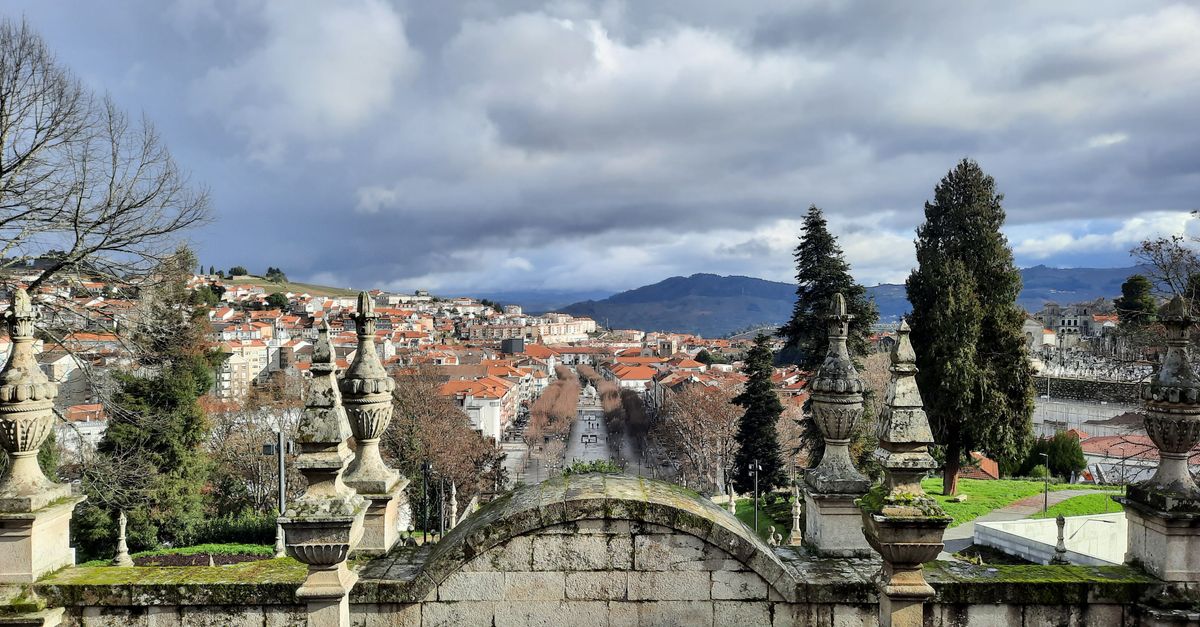
A baroque hilltown between Porto and the Douro, known for the staircase sanctuary of Nossa Senhora dos Remédios.
We may earn a commission from bookings made through these links. It never changes what we recommend, or what we leave out.