Ponte de Lima
Portugal's oldest town — a medieval bridge over the Lima, vineyards, and a calm, timeless Minho atmosphere.
A lovely detour from Viana; worth a slow afternoon and a night.
Why go
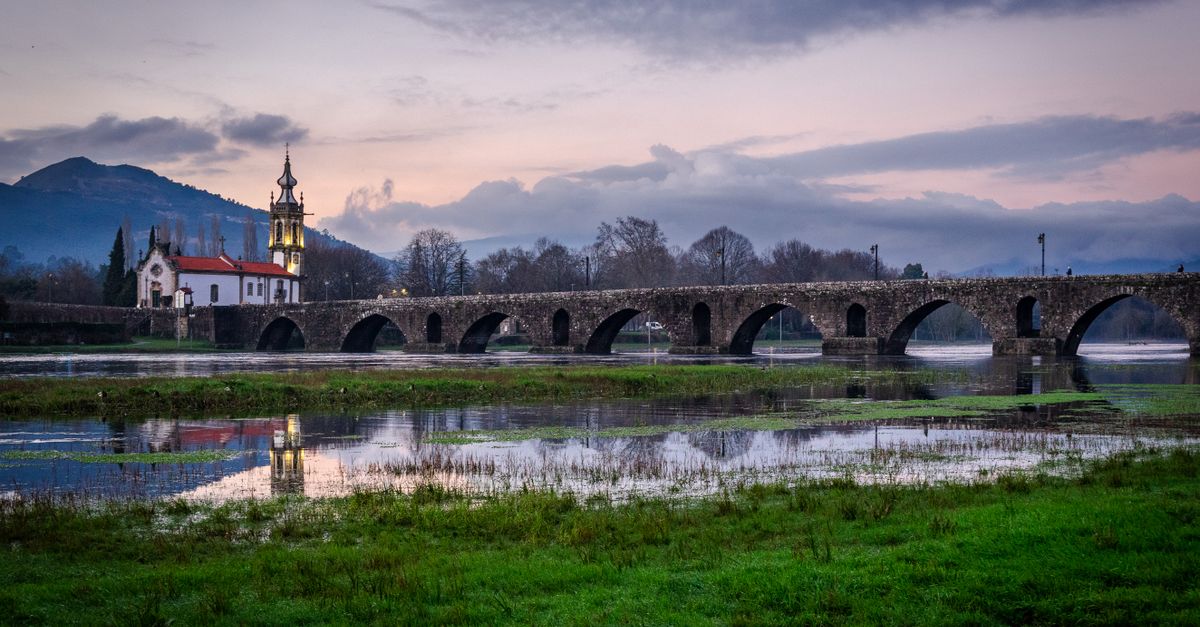
The Roman-medieval bridge, the riverside park, vineyards all around, and a genuine small-town feel. Excellent Vinho Verde country.
Why you might skip it
Quiet — not a destination for action.
What to do
Walk the bridge, visit the Feira Medieval (Mondays), taste Vinho Verde at local estates.
What to eat
Arroz de sarrabulho, local Minho cooking, Vinho Verde.
Where to stay
A detour, rarely a night. (1 night)
Accommodations range from converted manor houses on the outskirts of the village to small guesthouses within the medieval center. Central lodgings offer immediate access to the riverfront but may experience noise from evening crowds during the summer. Manor houses located a few kilometers away provide a quieter atmosphere and vineyard views but require a vehicle for transit to town. Prices vary significantly by season, with peak summer demand increasing costs for historic properties near the bridge.
Getting there & around
Car from Viana (~30 min).
Ponte de Lima remains compact and walkable, with the historic center reserved for pedestrians. The medieval bridge provides the primary crossing point for foot traffic. Outside the village core, a car facilitates movement toward nearby vineyards and Minho countryside sites. Public parking exists on the periphery of the old town, though spaces fill rapidly during summer months. Local bus lines connect the village to Viana do Castelo and Braga, with the bus terminal situated a short distance from the riverbank.
Common planning mistakes
The primary error involves scheduling a visit only for the afternoon, which misses the quiet transition to evening hours along the Lima River. Some travelers attempt to rely exclusively on public transit to explore the surrounding rural valleys, which limits access to the best wine estates. Another frequent oversight is underestimating the heat during summer afternoons, which necessitates careful planning for outdoor activities near the water during the peak hours of the day.
Less ideal for
The village is less ideal for those dependent entirely on public transport for day trips, as the surrounding rural landscapes and wine estates remain difficult to access without a private vehicle. It is also less suitable for travelers seeking high-energy nightlife, modern shopping districts, or large-scale historical monuments that require multiple days to navigate, as the primary appeal lies in the quiet, atmospheric experience of the medieval bridge and riverfront.
Practical notes
The bi-weekly market on the riverbank draws significant crowds every second and fourth Monday, altering traffic flow and parking availability. Cash remains the standard medium of exchange for small purchases in local shops and cafes. Mid-afternoon hours often see kitchen closures between lunch and dinner service, reflecting the traditional pace of the village. The river bank serves as the primary navigation point for all arrivals, with the medieval bridge acting as the main orientation marker.
What's here

Ponte Medieval de Ponte de Lima
This structure spans the Lima River, featuring Roman foundations and medieval Gothic arches. It serves as the namesake of the town of Ponte de Lima, functioning both as a pedestrian crossing and a preserved element of regional infrastructure.
Where it sits


More places in Porto & North
Pinhão
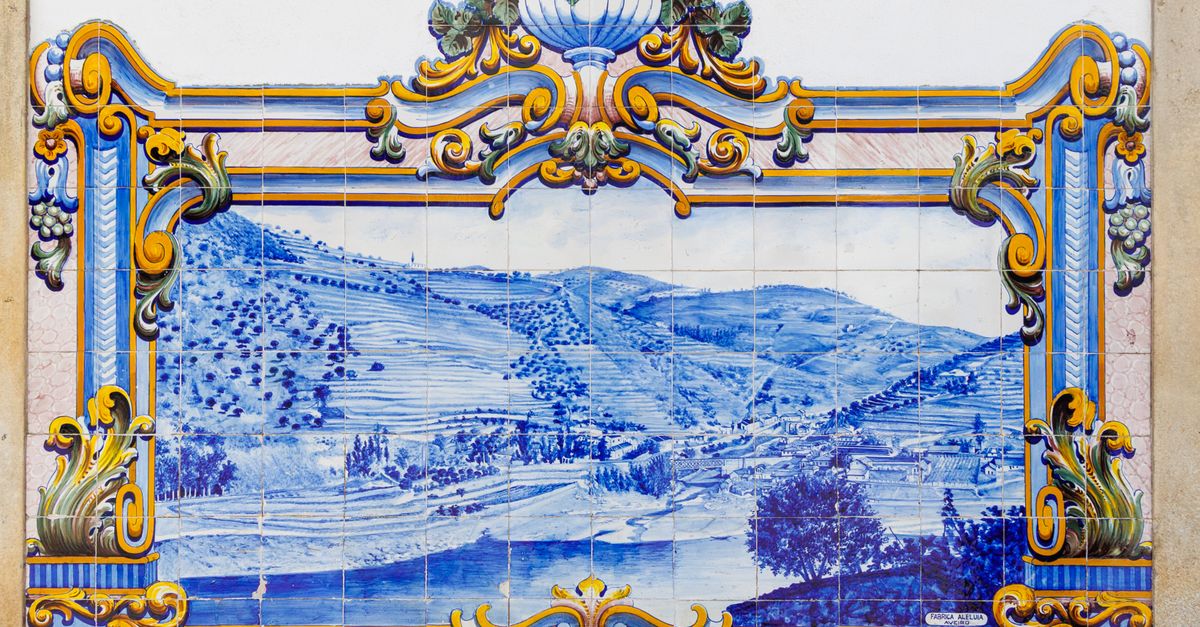
The heart of the Douro — a tiny riverside village with azulejo-clad train station and quintas walking distance apart.
Braga
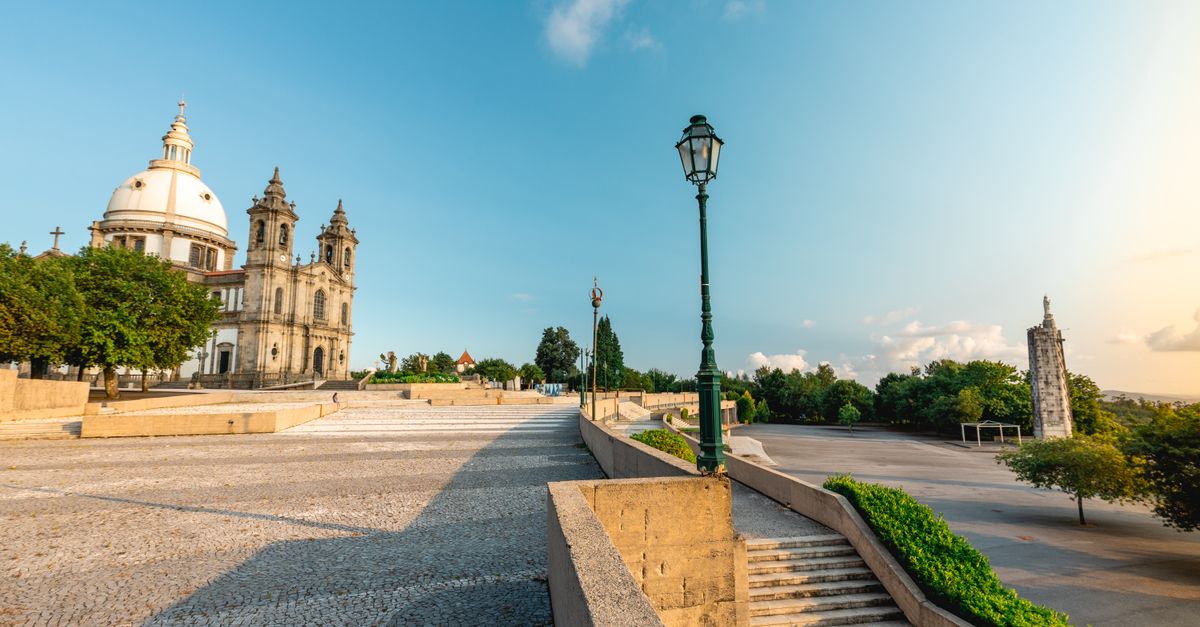
Portugal's religious center—a baroque city defined by its hillside sanctuary and a student population drawn from the local university.

Douro Valley
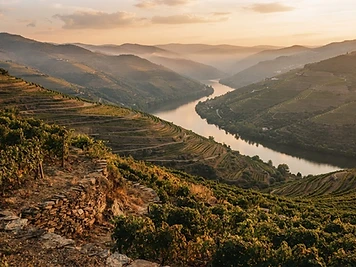
The world's oldest demarcated wine region — terraced vineyards climbing the banks of the Douro, port's birthplace, and one of the most beautiful river valleys in Europe.
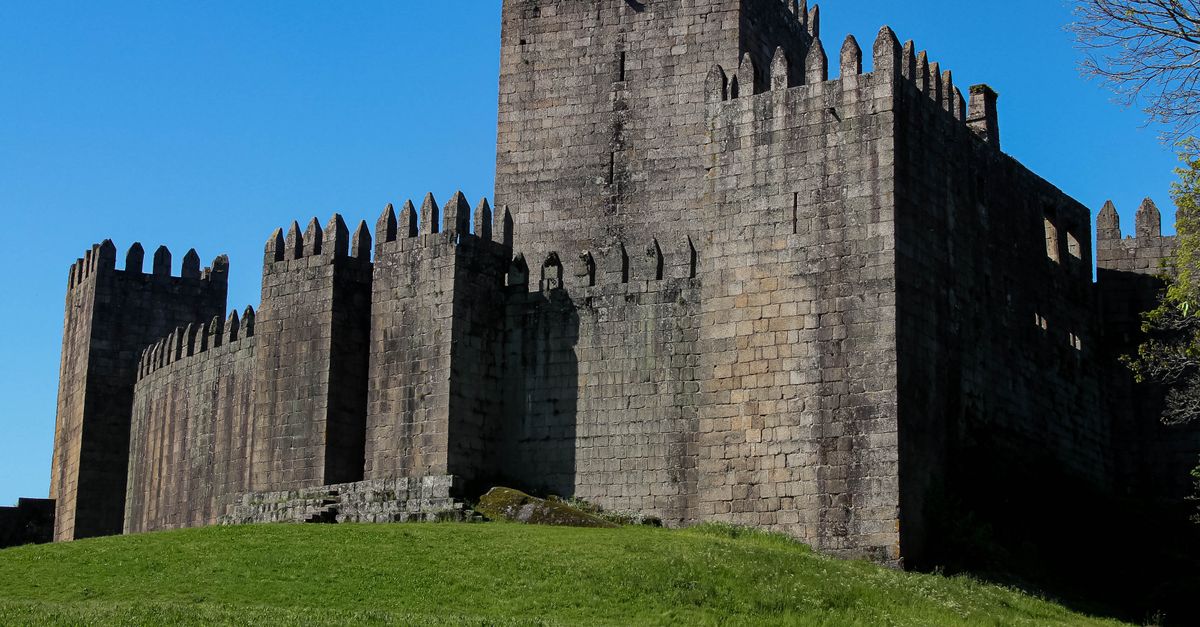
Guimarães
The 'birthplace of Portugal' — a medieval core with a hilltop castle, a ducal palace, and a UNESCO-listed historic center.
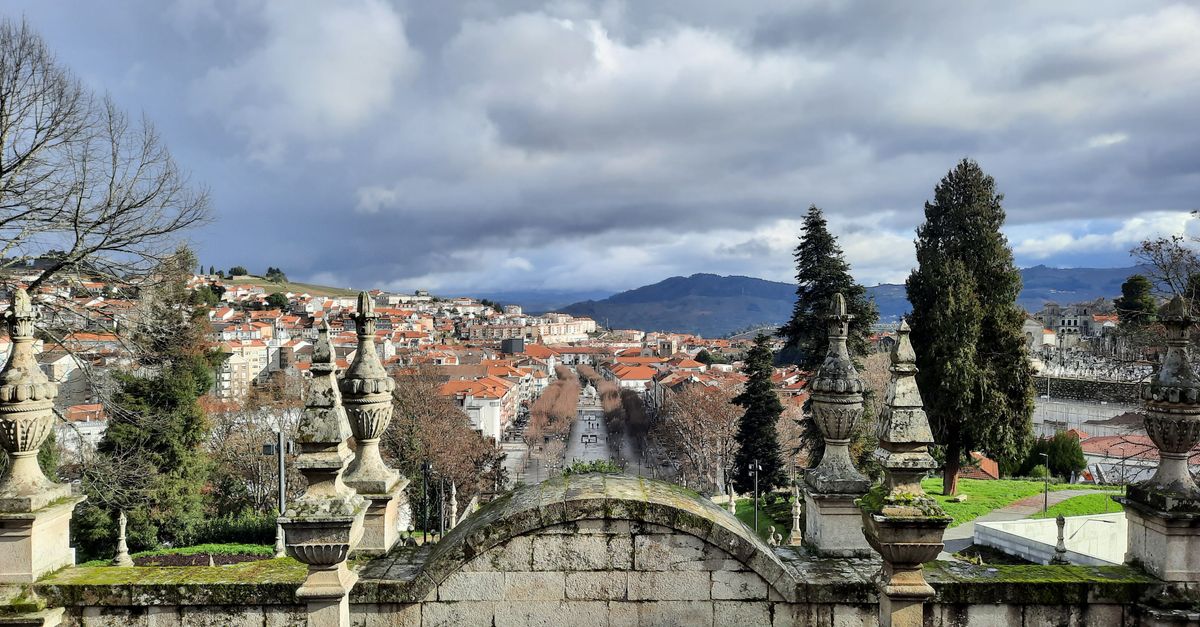
Lamego
A baroque hilltown between Porto and the Douro, known for the staircase sanctuary of Nossa Senhora dos Remédios.

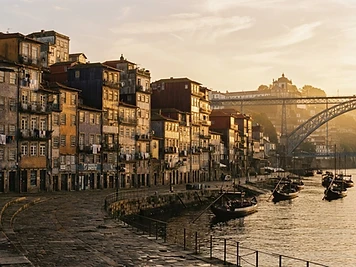
Porto
Portugal's second city — granite, port wine, the Douro waterfront and a working, lived-in heart that Lisbon has partly lost to tourism.
We may earn a commission from bookings made through these links. It never changes what we recommend, or what we leave out.