Guimarães
The 'birthplace of Portugal' — a medieval core with a hilltop castle, a ducal palace, and a UNESCO-listed historic center.
The better half-day from Porto if you only have time for one — more compact and more atmospheric than Braga.
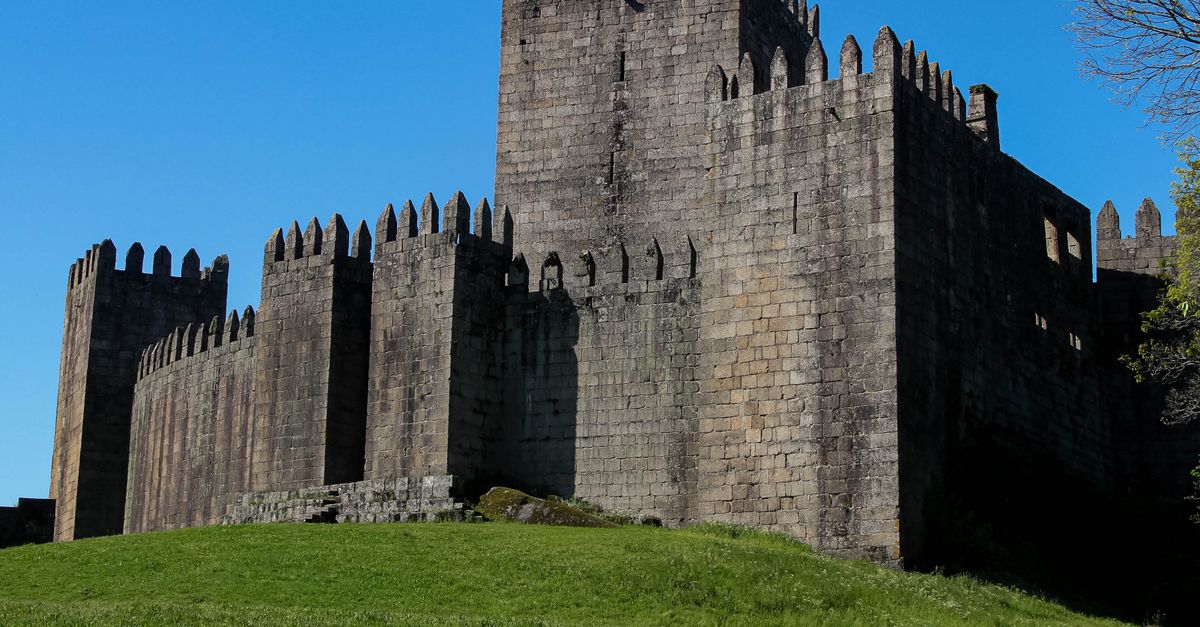
Why go
A perfectly preserved medieval center, the 10th-century castle, the Palace of the Dukes, and a lively, walkable old town. Feels like the Portugal of schoolbooks.
Why you might skip it
Small — a day is plenty.
What to do
Castle, Ducal Palace, historic center, Penha hill cable car for the view.
What to eat
Traditional Minho fare in the old center.
Where to stay
Historic center for atmosphere.
Getting there & around
Direct train from Porto.
What's here
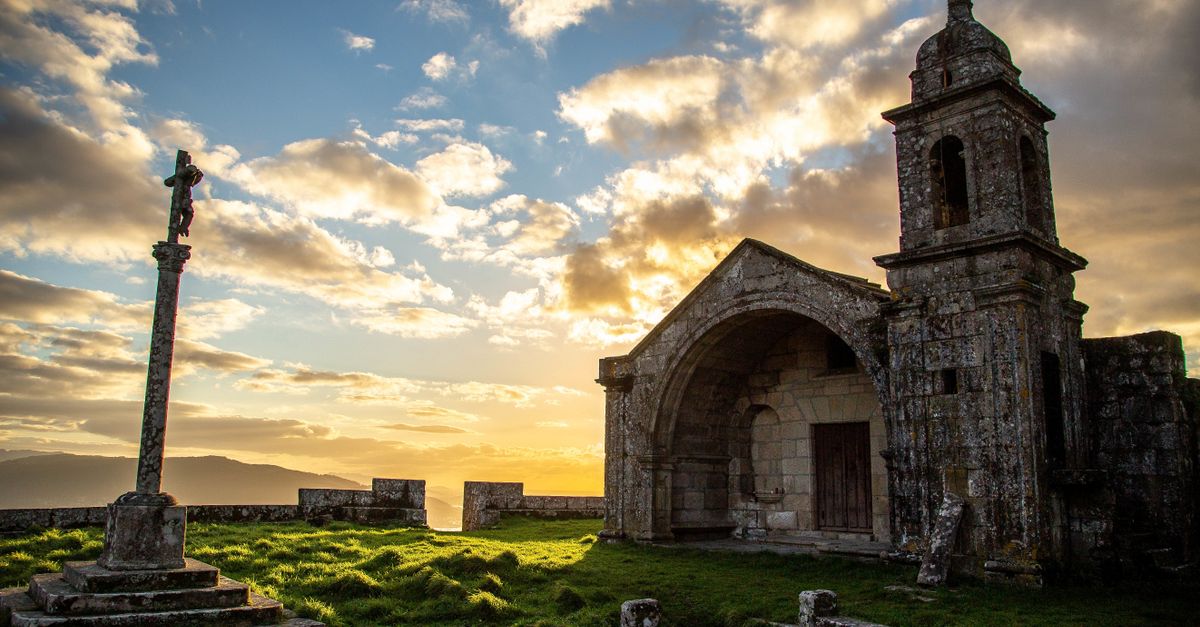
Romaria de São Torcato
The Romaria de São Torcato is a deeply traditional religious and cultural pilgrimage held in Guimarães, honoring the region's first bishop. It is a quintessential Minho experience characterized by grand religious processions and authentic folk energy.

Paço dos Duques de Bragança
The Paço dos Duques de Bragança is a stately 15th-century palace in Guimarães that serves as a profound monument to the origins of the Portuguese nation. Its distinct Burgundian-influenced architecture and extensive collection of tapestries make it one of the region's most significant cultural landmarks.

Igreja de Nossa Senhora da Oliveira
The Igreja de Nossa Senhora da Oliveira is the spiritual anchor of Guimarães’ medieval center, renowned for its distinctive Gothic Padrão do Salado monument sitting directly in front. It serves as a stunning example of regional religious architecture and stands as one of the most recognizable landmarks in the historic city.

Guimarães Castle
The 10th-century hilltop castle where Portugal's nationhood is said to begin.
Where it sits


