Lamego
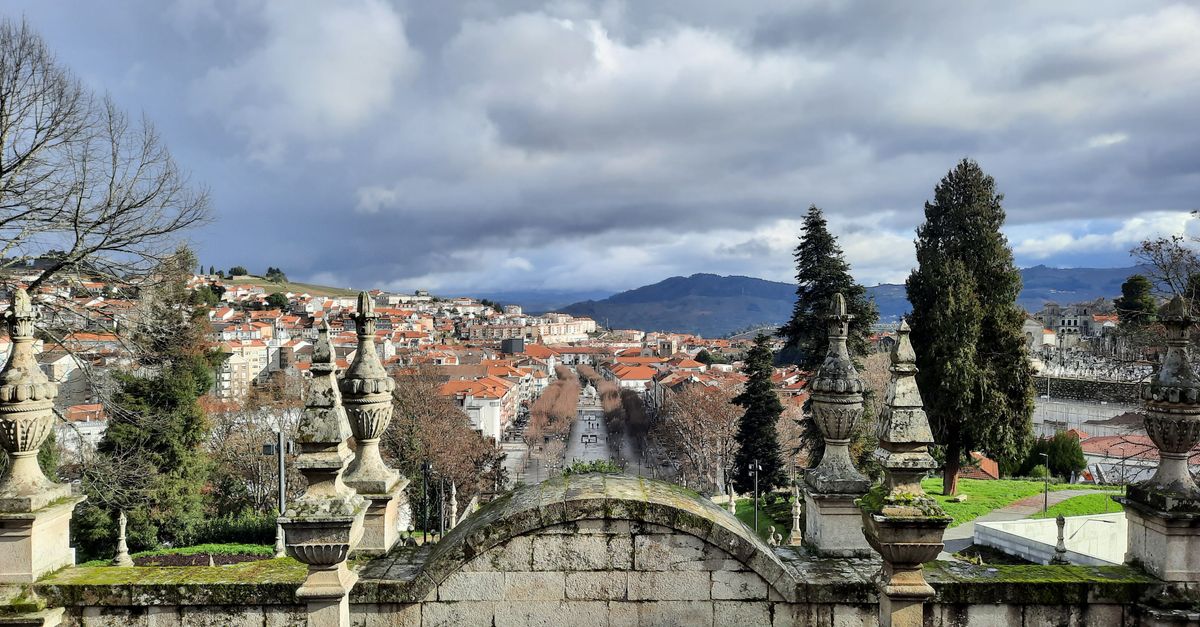
A baroque hilltown between Porto and the Douro, known for the staircase sanctuary of Nossa Senhora dos Remédios.
A graceful half-day stop linking Porto to the Douro Valley — worth it for the staircase alone.
Why go
The Nossa Senhora dos Remédios sanctuary climbs a zig-zag of blue-and-white tiled stairs above the town; below, a small cathedral and a quiet old town make a civilized stop on the Porto–Douro axis.
Why you might skip it
The absence of a train station renders the town inaccessible for those relying exclusively on rail transport, making it an inconvenient destination for travelers based solely in Porto without a car. The heavy concentration of religious architecture may seem repetitive to those who have already toured similar sites in northern Portugal. Extensive uphill walking serves as a barrier for those with limited mobility, and the town lacks the diverse range of evening entertainment found in larger, more urbanized centers nearby.
What to eat
The local gastronomy centers on regional smoked meats and cured cheeses, which appear in traditional tascas throughout the town center. Roasted goat and lamb feature heavily on menus, reflecting the pastoral traditions of the surrounding Douro interior. Sparkling wine from the Távora-Varosa region provides the standard accompaniment to meals. Pastries infused with local walnuts and conventual sweets, particularly the famous Lamego sponge cakes, serve as the standard conclusion to a lunch, commonly purchased at long-standing bakeries near the central avenue.
Where to stay
A day trip, not a bed. (Half a day)
Accommodations consist largely of family-run guesthouses and historic manor conversions located in the lower town, providing easy access to dining and services. These central locations often experience street noise from evening activity. Higher-end options exist in converted estates on the outskirts, which offer quiet surroundings at the expense of walkable access to the town center. Budget-conscious travelers find basic boarding houses near the central bus terminal, though these properties lack the charm and historical character found in the properties closer to the main staircase.
Getting there & around
Lamego is accessible via the A24 motorway or the N2, roughly 90 minutes from Porto by car. Public transit relies on regional buses from Viseu or Peso da Régua, as the town lacks its own train station. A car is recommended to explore the surrounding Douro valley beyond the town center.
Lamego requires a car for arrival and regional access, as the town maintains no railway connection. Within the center, steep inclines characterize the streets, with the primary ascent to the sanctuary involving nearly seven hundred stone steps. Parking exists at the base of the sanctuary and in limited municipal lots, but narrow, winding alleys restrict vehicle movement in the historical core. Walking remains the primary method for site exploration, though the elevation gain necessitates significant physical exertion for pedestrians moving between the lower town and higher religious sites.
Common planning mistakes
The primary error involves attempting to reach Lamego by train, which proves impossible given the lack of a station. Another common oversight is underestimating the vertical climb required to experience the sanctuary, leading to exhaustion before reaching the summit. Many itineraries allot insufficient time, viewing the town as a mere pit stop rather than a location requiring several hours to navigate the steep terrain effectively. Relying on public bus schedules that lack frequency often results in prolonged waiting periods during the late afternoon hours.
Less ideal for
The town poses significant challenges for those requiring flat terrain, as the incline toward the sanctuary demands continuous upward movement. The narrow, cobblestone streets lack the infrastructure for extensive transit networks, making the town unsuitable for those reliant on frequent, high-speed public transport connections. The concentration on singular historical sites limits the appeal for those seeking diverse, high-energy metropolitan activities, as the town operates on a quiet, slow-paced schedule throughout the week.
Practical notes
The A24 motorway provides the most efficient route from the north or south, while the N2 offers a slower, scenic approach through the mountains. Most attractions, including the museum and sanctuary, maintain closures on Mondays. Mid-day heat during summer months complicates the ascent to the sanctuary, making early morning or late afternoon the optimal windows for outdoor activity. Public restrooms are scarce, and the town center experiences heavy traffic congestion during the summer festival of Nossa Senhora dos Remédios in early September.
What's here

Santuário de Nossa Senhora dos Remédios
This 18th-century rococo sanctuary stands above Lamego, noted for its monumental staircase decorated with blue-and-white azulejos. It functions as a pilgrimage site and a study in Baroque landscape architecture.
Where it sits


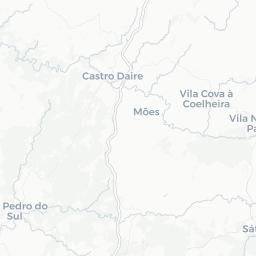
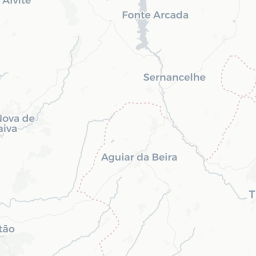

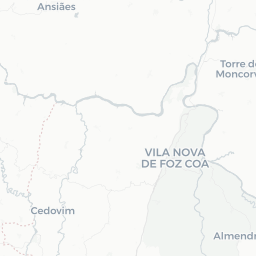


More places in Porto & North
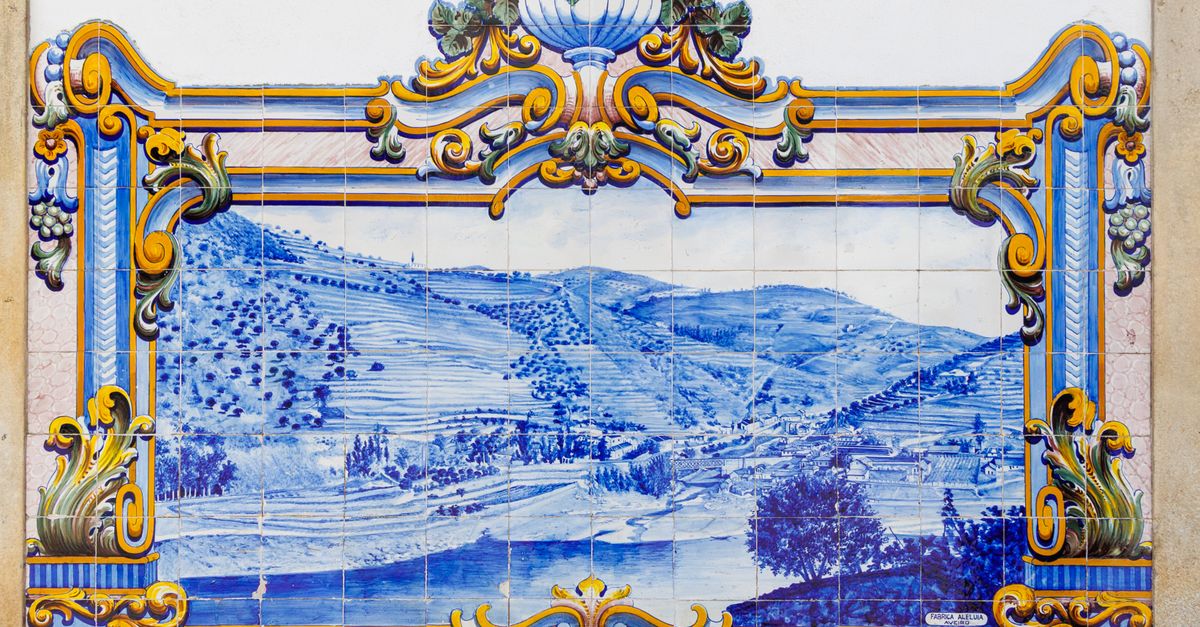
Pinhão
The heart of the Douro — a tiny riverside village with azulejo-clad train station and quintas walking distance apart.
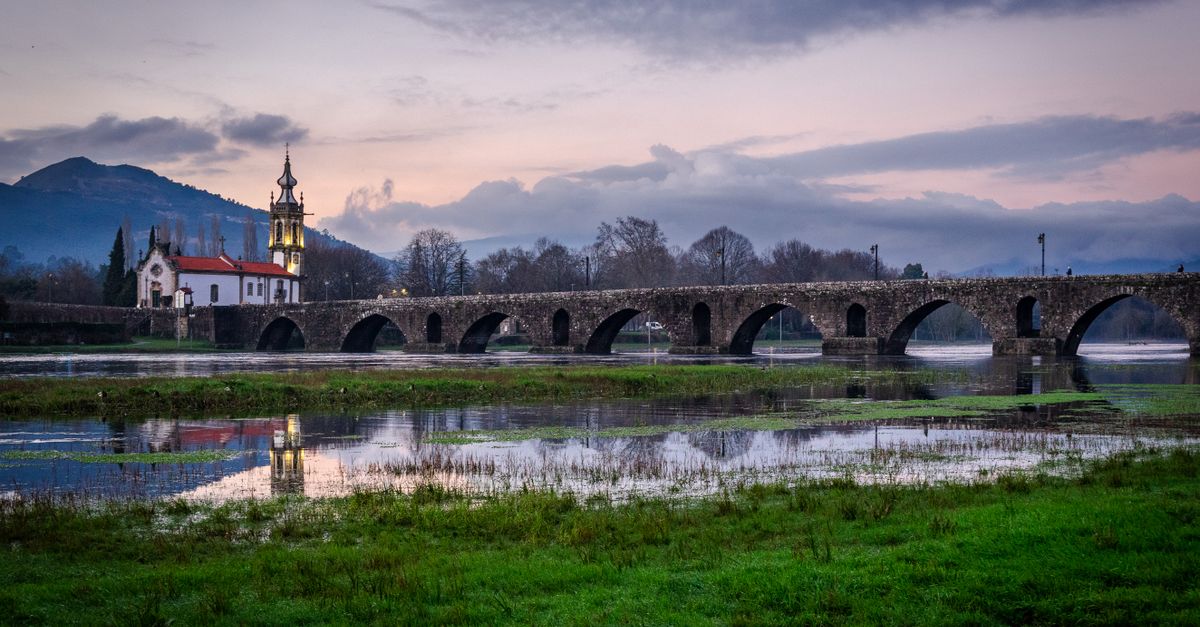
Ponte de Lima
Portugal's oldest town — a medieval bridge over the Lima, vineyards, and a calm, timeless Minho atmosphere.

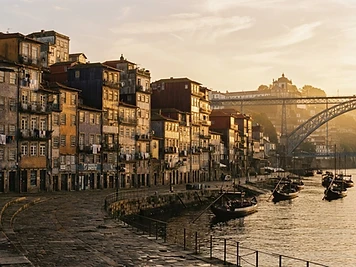
Porto
Portugal's second city — granite, port wine, the Douro waterfront and a working, lived-in heart that Lisbon has partly lost to tourism.
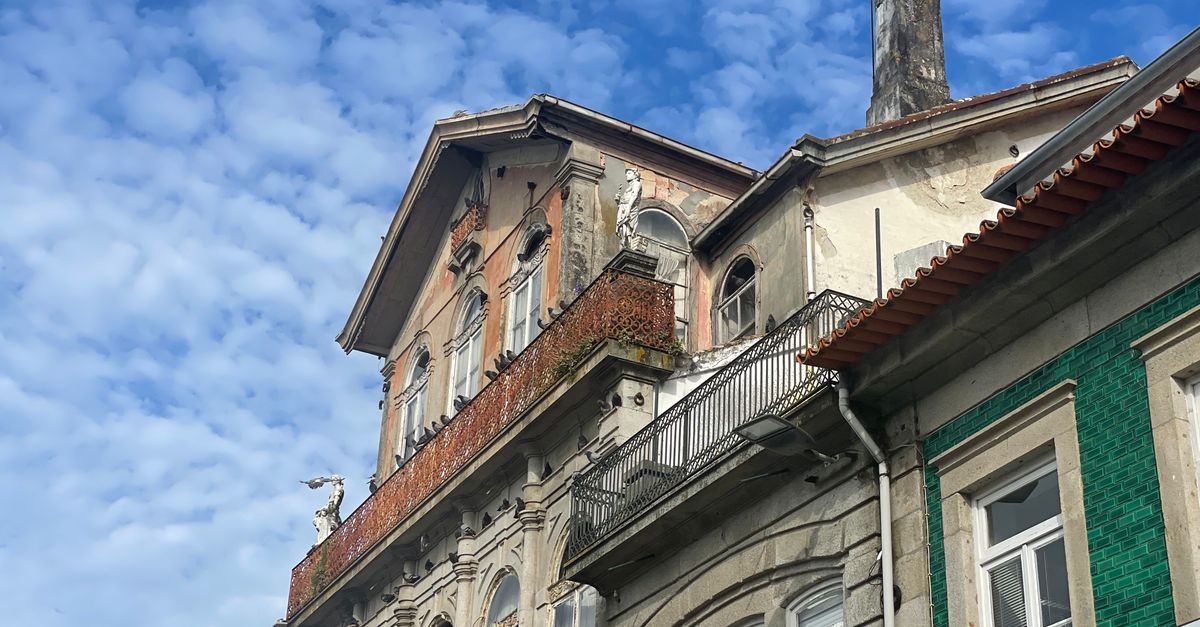
Viana do Castelo
A graceful Minho coastal city — grand Manueline and Renaissance buildings, a wide sandy river mouth, and a hilltop sanctuary over the sea.
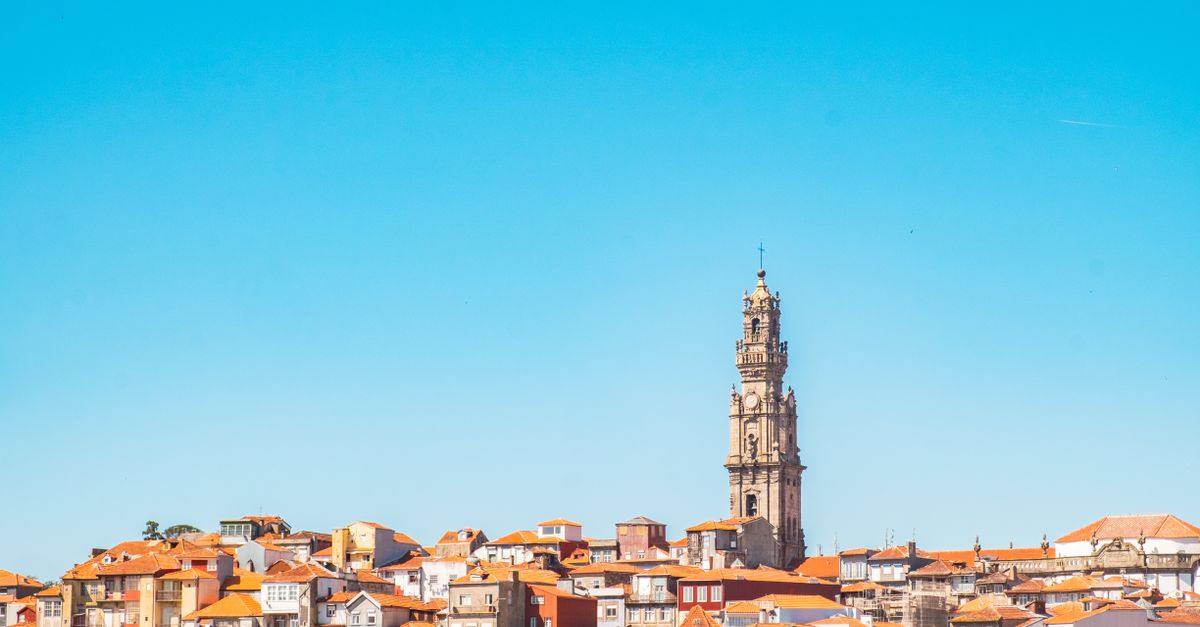
Vila Nova de Gaia
The south bank of the Douro opposite Porto, home to the aging warehouses of the port wine trade and the vantage points overlooking the Ribeira.
We may earn a commission from bookings made through these links. It never changes what we recommend, or what we leave out.