Vila Nova de Gaia
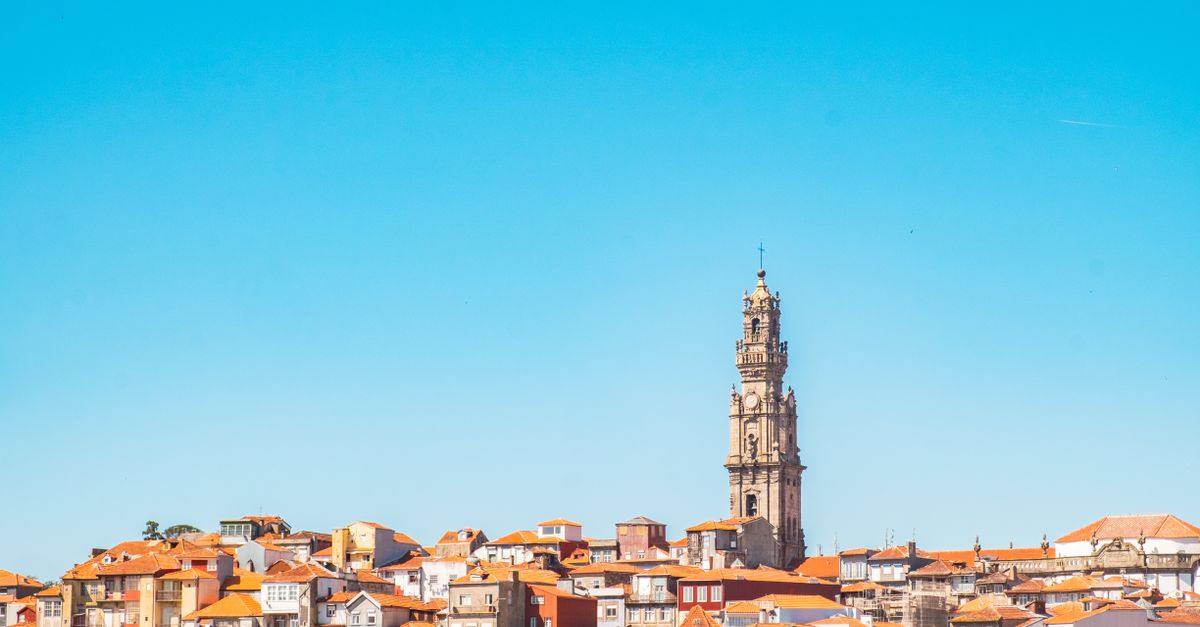
The south bank of the Douro opposite Porto, home to the aging warehouses of the port wine trade and the vantage points overlooking the Ribeira.
Integrate into a Porto visit. Stay here for a perspective of the city across the river; come specifically for cellar tours.
Why go
The port lodges (caves) line the south bank. The waterfront promenade provides a direct view of Porto's Ribeira district without the congestion of the north bank.
Why you might skip it
It serves as a residential and industrial extension of Porto; the city's architectural density remains on the opposite bank.
What to do
Tour port lodges including Taylor's, Graham's, or Fonseca; walk the riverfront; ride the Teleférico de Gaia for elevation.
What to eat
Port wine tastings; petiscos; grilled fish in the fishing village of Afurada.
Where to stay
A base, not a stop. (Half-day to full-day excursion or as an alternative base for a multi-day Porto stay.)
Accommodation ranges from luxury riverfront hotels housed in converted historical warehouses to smaller guesthouses located in the residential districts further inland. Properties overlooking the Douro provide direct visual access to the Porto skyline but often command higher prices and suffer from significant nighttime noise due to riverside traffic and pedestrian activity. Staying in the elevated historical center offers a quieter atmosphere and lower nightly rates, though it necessitates a more demanding walk to the waterfront.
Getting there & around
Pedestrian crossing of the Dom Luís I bridge or metro transit from central Porto.
Walking defines transit within Vila Nova de Gaia, particularly along the riverside promenade where distances between port wine cellars span fifteen minutes on foot. The steep ascent from the Douro riverbanks toward the upper city level requires navigation of inclines exceeding ten percent. While metro line D connects Gaia to Porto in minutes, street-level parking remains limited and expensive. Local bus routes provide coverage to peripheral districts, but the city center functions primarily as a pedestrian zone.
Common planning mistakes
The primary planning error involves treating Vila Nova de Gaia as a distant suburb rather than an immediate extension of central Porto. Many itineraries overlook the vertical nature of the riverbanks, leading to unexpected physical strain during transit. Another oversight entails booking cellar tours without accounting for the specific time requirements of subterranean access, often resulting in missed reservations due to the deceptive proximity of the bridge crossings.
Less ideal for
The city poses challenges for those with limited mobility due to the steep, cobblestone streets leading up from the river. It remains less ideal for individuals seeking a high-energy urban experience with diverse nightlife options, as the focus remains largely on industrial heritage and wine tourism. Furthermore, the reliance on external transit links to access major cultural landmarks makes it a less convenient base for those prioritizing rapid, frequent movement between museums and galleries.
Practical notes
Cellar tour availability follows rigid seasonal schedules, with peak demand during summer months requiring advance booking regardless of the venue size. Most transactions occur via card, though small cafes still favor cash payments for minor purchases. The central metro station functions as the primary transit node for links to the airport and Porto. No formal city-wide siesta exists, yet smaller, family-run establishments frequently close their doors between fourteen and sixteen hours.
What's here

Mosteiro da Serra do Pilar
Located on a cliff in Vila Nova de Gaia, this 16th-century monastery provides a direct, elevated view of Porto and the Douro River. Its circular church and Mannerist architecture offer a contrast to the dense historic center across the water.
Where it sits





More places in Porto & North
Braga
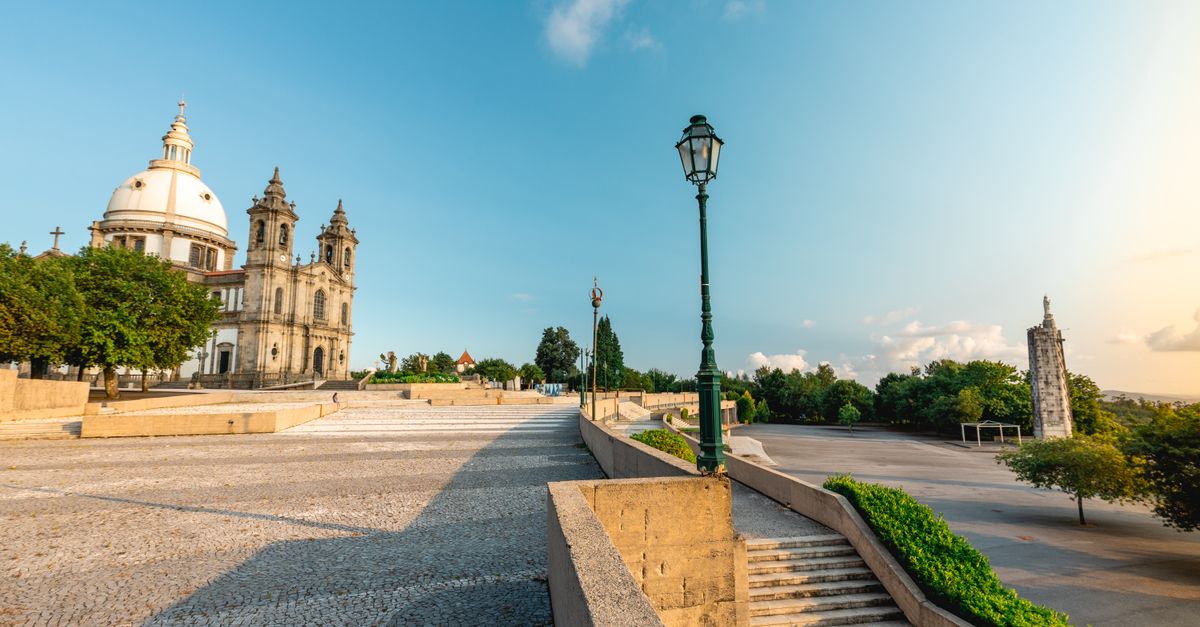
Portugal's religious center—a baroque city defined by its hillside sanctuary and a student population drawn from the local university.
Guimarães
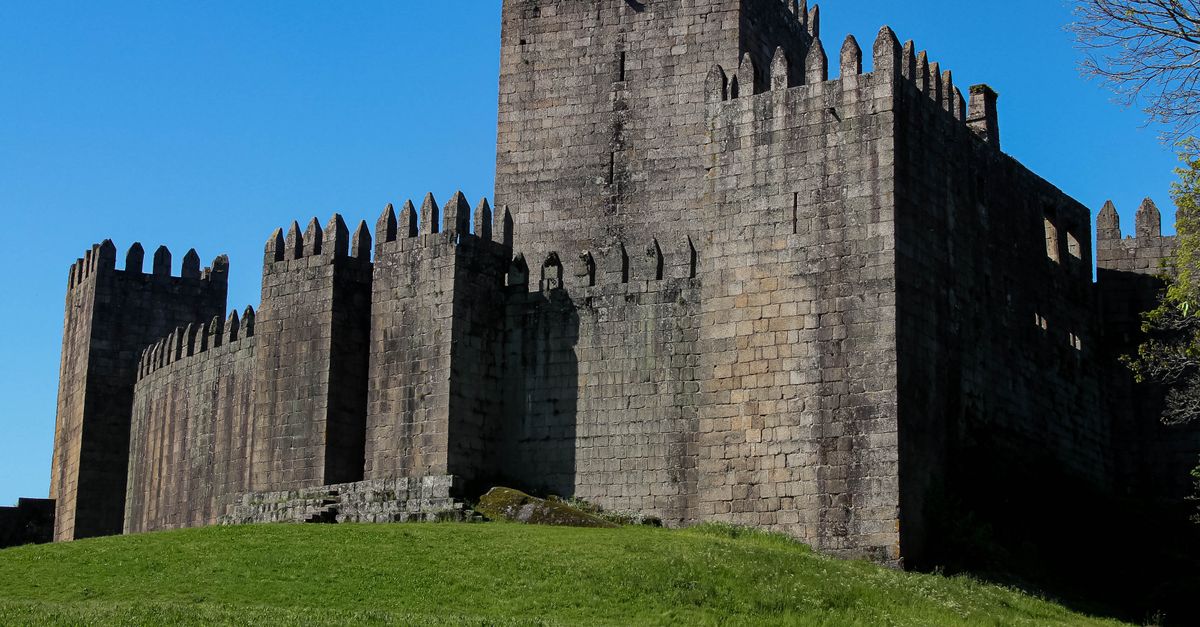
The 'birthplace of Portugal' — a medieval core with a hilltop castle, a ducal palace, and a UNESCO-listed historic center.
Viana do Castelo
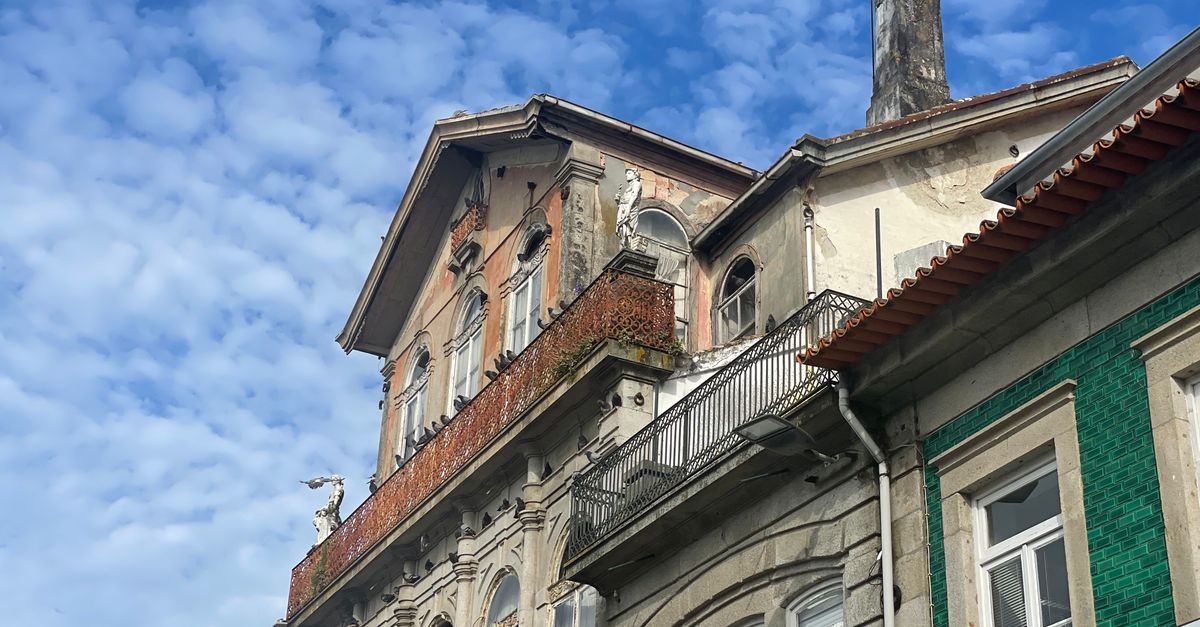
A graceful Minho coastal city — grand Manueline and Renaissance buildings, a wide sandy river mouth, and a hilltop sanctuary over the sea.
Lamego
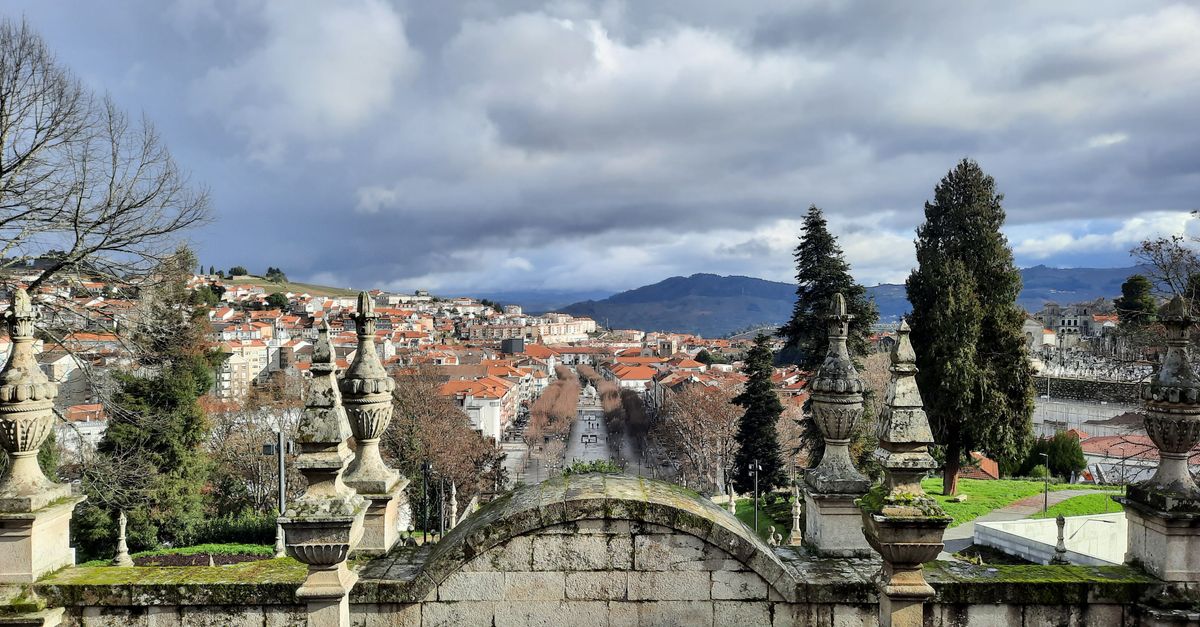
A baroque hilltown between Porto and the Douro, known for the staircase sanctuary of Nossa Senhora dos Remédios.
Pinhão
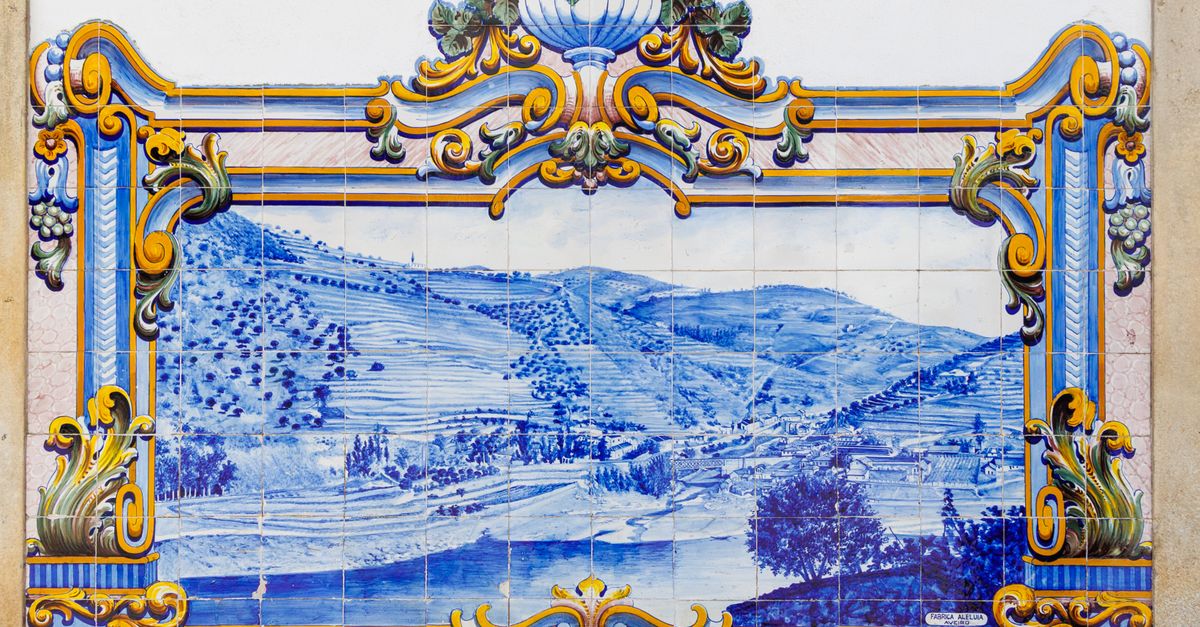
The heart of the Douro — a tiny riverside village with azulejo-clad train station and quintas walking distance apart.
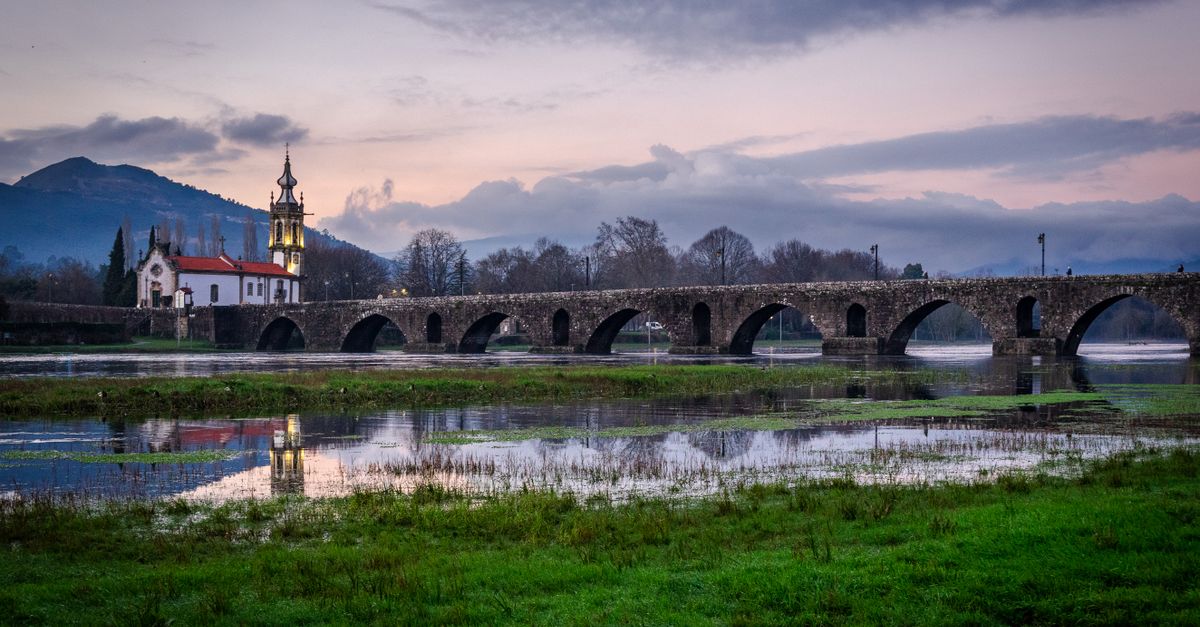
Ponte de Lima
Portugal's oldest town — a medieval bridge over the Lima, vineyards, and a calm, timeless Minho atmosphere.
We may earn a commission from bookings made through these links. It never changes what we recommend, or what we leave out.