Quinta de la Rosa
A working family estate handed down six generations, perched directly above the Douro near Pinhão, making both port and table wine and running one of the region's best guesthouses and a cooking school.
The intimate, family-run estate stay the Douro does best.
For an intimate family-owned estate with port, table wine, a guesthouse and a cookery school all on-site.

What's in the glass
La Rosa wines are celebrated for their purity and balanced acidity, often capturing the essence of the surrounding terraced vineyards. The ports show a wonderful freshness, while the table wines exhibit a restrained power characteristic of the Pinhão valley.
How it came to be
Passing through six generations of the same family, Quinta de la Rosa has remained an intimate, independent player in the Douro. It was one of the first to market table wines under its own name when the region was still dominated by port shippers. The estate has successfully bridged the gap between traditional port house and modern table-wine producer.
Best for, and who should skip
Travelers who prefer an authentic, hands-on experience and want to stay where they taste.
Less ideal for: Travelers seeking a high-tech, modern resort experience with extensive spa facilities or those requiring significant mobility assistance, as the historic terrain and vineyard layout involve uneven stone paths and stairways.
Skip if: Visitors who prefer massive, impersonal production facilities with large visitor centers might find the family-scale estate too humble.
Tours, tastings & getting there
This is a quintessential working estate that integrates a guesthouse and cookery school into the daily flow of viticulture. Visitors get an unfiltered look at harvest operations, vineyard maintenance, and the craft of blending.
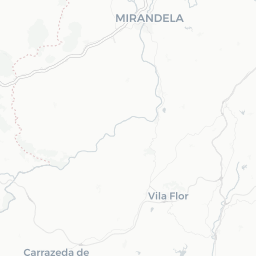
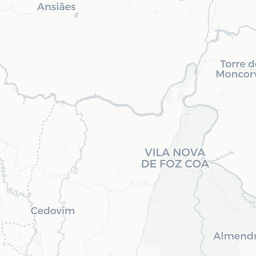
Getting there: 2 hr from Porto; near Pinhão.
Getting around: The property is small enough to walk, but be prepared for steep inclines typical of river-terrace vineyards.
Book the cookery school sessions weeks in advance, as they are limited to small groups and sell out quickly.
When to go
September; April.
Year-round.
Allow: Half a day to overnight
Beyond the tasting room
Take a port and table-wine tasting, eat at the estate's Cozinha da Clara, and stay overnight if possible.
Pair with

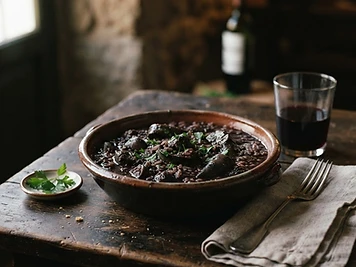
Arroz de Lampreia
A rice stew of lamprey cooked in its own blood — the Minho's most distinctive river dish, in season only.

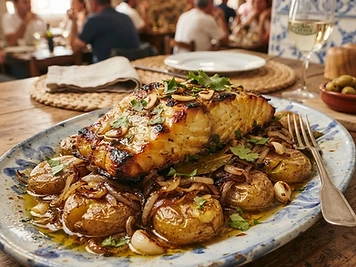
Bacalhau à Lagareiro
Salt cod roasted with olive oil and potatoes — one of the country's most beloved bacalhau preparations, born in the wine country.

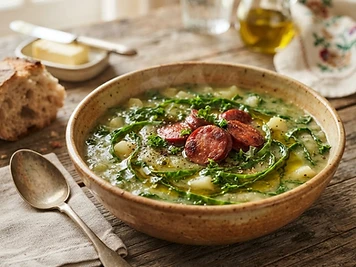
Caldo Verde
The Minho's signature kale-and-potato soup — light, green, and the country's comfort in a bowl.
Other wines to explore
Anselmo Mendes
The winemaker known as 'the father of Alvarinho,' making handcrafted Vinho Verde from his cellar in Monção — including the Contacto and Expressões cuvées that redefined what the region could do.

Aveleda
The largest Vinho Verde producer and one of the most historic — a family estate since 1870, with beautiful gardens (designed by a Swiss landscape architect) and a tasting room an hour from Porto. Casal Garcia, the world's best-selling Vinho Verde, is made here.

Casa de Mateus
The baroque palace on the label of Mateus Rosé — a real 18th-century estate outside Vila Real with manicured gardens, a historic winery and the Trás-os-Montes wine connection. The palace is the draw; the rosé's actual production is long licensed out.
Nearby

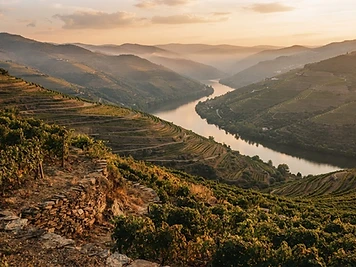
Douro Valley
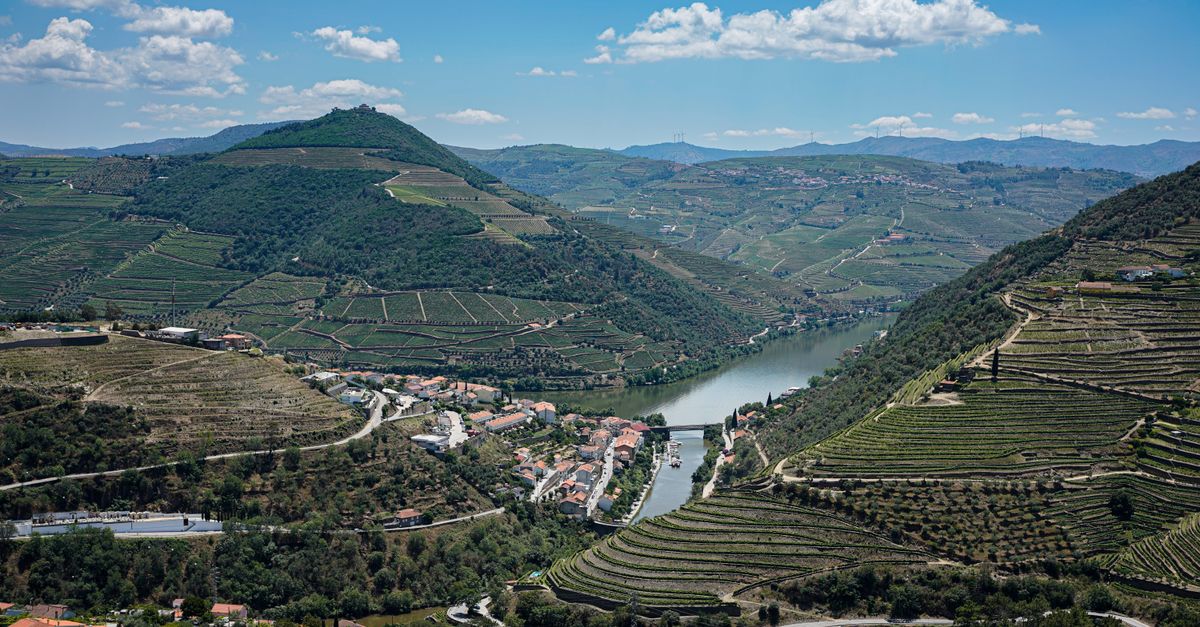
The world's oldest demarcated wine region — terraced vineyards climbing the banks of the Douro, port's birthplace, and one of the most beautiful river valleys in Europe.

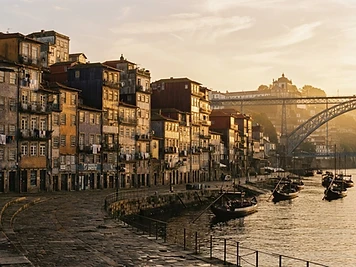
Porto
Portugal's second city — granite, port wine, the Douro waterfront and a working, lived-in heart that Lisbon has partly lost to tourism.
Where it sits