Casa de Mateus
The baroque palace on the label of Mateus Rosé — a real 18th-century estate outside Vila Real with manicured gardens, a historic winery and the Trás-os-Montes wine connection. The palace is the draw; the rosé's actual production is long licensed out.
The famous baroque palace and gardens behind the Mateus Rosé label, at the gateway to Trás-os-Montes.
For the famous baroque palace and gardens behind the Mateus Rosé label, at the gateway to Trás-os-Montes.

What's in the glass
The estate wines produced under the Casa de Mateus label are elegant and traditional, reflecting the cooler, high-altitude terroir of the Trás-os-Montes region. Expect refined tannins and expressive, terroir-driven aromatics that evoke the surrounding landscape.
How it came to be
Commissioned in the 18th century by the Morgados de Mateus, the palace serves as a testament to the opulence of the northern nobility. While the estate is world-famous for its namesake rosé, that mass-market brand is produced elsewhere under license. The foundation of the estate remains rooted in the aristocratic history of the Douro and Trás-os-Montes transition zone.
Best for, and who should skip
History buffs and architecture enthusiasts who want to witness the iconic facade that graced wine bottles for decades.
Less ideal for: Travelers seeking a modern, immersive winemaking experience or those with limited mobility, as the historic palace grounds feature extensive gravel paths and numerous stairs that can prove challenging.
Skip if: Visitors expecting to see the production facilities of the famous Mateus Rosé will be disappointed as this location is a historical monument rather than a modern bottling plant.
Tours, tastings & getting there
Visits are centered around the palace, which stands as a masterpiece of Portuguese baroque architecture. Guided tours access the internal chapels, state rooms, and the renowned gardens, followed by a tasting of regional wines in the estate shop.
Getting there: 1 hr from Porto via the Marão tunnel; at Vila Real.
Getting around: The gardens and grounds are spacious and require significant walking on gravel and stone paths.
Allocate at least half a day to appreciate both the extensive interior of the palace and the meticulously maintained formal gardens.
When to go
April–October.
Closed some winter days.
Allow: Half a day
Beyond the tasting room
Tour the palace, gardens and old winery; pair with a drive into Trás-os-Montes.
Pair with

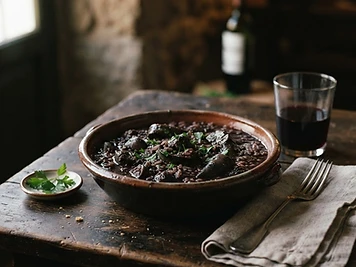
Arroz de Lampreia
A rice stew of lamprey cooked in its own blood — the Minho's most distinctive river dish, in season only.

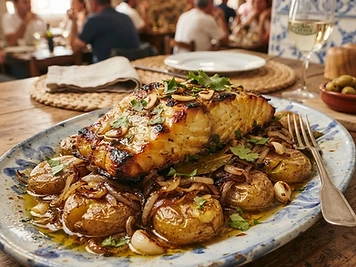
Bacalhau à Lagareiro
Salt cod roasted with olive oil and potatoes — one of the country's most beloved bacalhau preparations, born in the wine country.

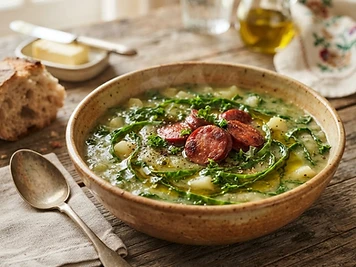
Caldo Verde
The Minho's signature kale-and-potato soup — light, green, and the country's comfort in a bowl.
Other wines to explore
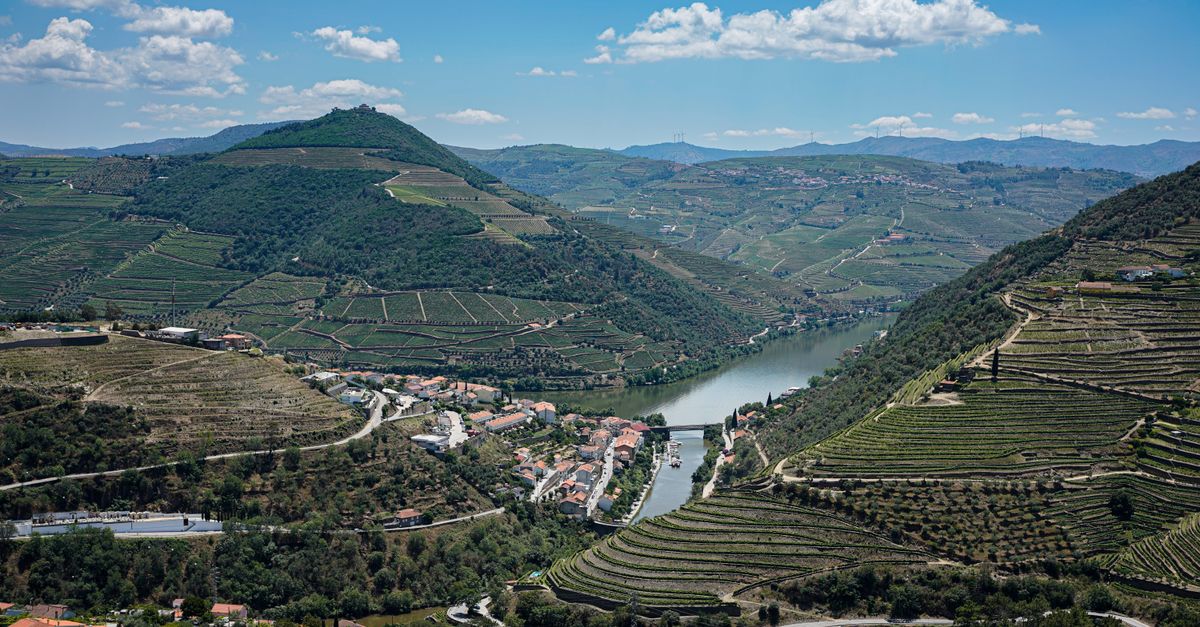
Anselmo Mendes
The winemaker known as 'the father of Alvarinho,' making handcrafted Vinho Verde from his cellar in Monção — including the Contacto and Expressões cuvées that redefined what the region could do.

Aveleda
The largest Vinho Verde producer and one of the most historic — a family estate since 1870, with beautiful gardens (designed by a Swiss landscape architect) and a tasting room an hour from Porto. Casal Garcia, the world's best-selling Vinho Verde, is made here.

Niepoort
A maverick house (founded 1842 as a port lodge, now run by Dirk Niepoort) that makes some of Portugal's most admired 'new-wave' Douro wines — Redoma, Batuta, Charme — alongside port and a Vinho Verde project. The Gaia lodge is the tasting base.
Nearby

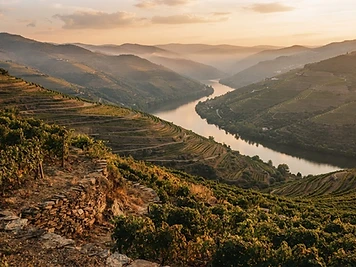
Douro Valley
The world's oldest demarcated wine region — terraced vineyards climbing the banks of the Douro, port's birthplace, and one of the most beautiful river valleys in Europe.

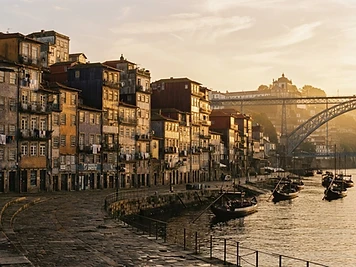
Porto
Portugal's second city — granite, port wine, the Douro waterfront and a working, lived-in heart that Lisbon has partly lost to tourism.
Where it sits