Soalheiro
The pioneer of quality Alvarinho in the Vinho Verde region — the Quinta de Soalheiro sits in the far northern Minho at Melgaço, where the warm days and cool nights give the grape its signature tension. The first Soalheiro was made in 1982.
The single-vineyard Alvarinho that proved Vinho Verde could be serious, in the far northern Minho.
For the single-vineyard Alvarinho that proved Vinho Verde could be serious, in the far northern Minho.

What's in the glass
The wines exhibit a crystalline purity and intense, citrus-driven acidity that is the hallmark of the Melgaço microclimate. With time in the bottle, they evolve into complex, waxy, and deeply mineral wines that rival the great whites of the world.
How it came to be
The Cerdeira family planted the first Alvarinho vines in the region in 1974, releasing their first Soalheiro in 1982. This single action proved that the Monção and Melgaço sub-region was capable of producing world-class, ageworthy white wines. Since then, they have served as the vanguard for the region's commitment to quality over quantity.
Best for, and who should skip
Connoisseurs of high-acid white wines who want to see how a singular grape can define a region.
Less ideal for: Travelers seeking a spontaneous, casual walk-in experience or those looking for a large-scale, bustling winery resort with extensive hotel amenities on-site. It is also less suited for those who are unfamiliar with the nuance of monovarietal Alvarinho and are looking for a broad, multi-regional portfolio of red wines.
Skip if: Those expecting the typical, light, slightly fizzy Vinho Verde found in grocery stores may be surprised by the complexity and seriousness of these whites.
Tours, tastings & getting there
The winery is a beacon for visitors in the far north, offering guided tastings that focus on the elevation and soil impact of their single-vineyard plots. The experience is educational and centered on the unique terroir of the Minho valley.
Getting there: 1.5 hr from Porto; near the Spanish border at Melgaço.
Getting around: The winery is compact and easily explored on foot, but the surrounding vineyards are best viewed by car.
Pack a warm layer, as the mountain-influenced climate of Melgaço can be significantly cooler than the coast.
When to go
May–September.
Year-round.
Allow: Half a day
Beyond the tasting room
Visit the modern tasting room at Melgaço, taste the Alvarinho and granito cuvées, and explore the Minho border country.
Pair with

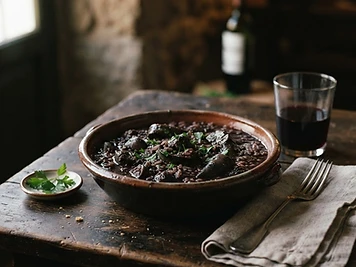
Arroz de Lampreia
A rice stew of lamprey cooked in its own blood — the Minho's most distinctive river dish, in season only.

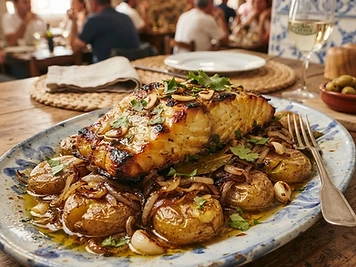
Bacalhau à Lagareiro
Salt cod roasted with olive oil and potatoes — one of the country's most beloved bacalhau preparations, born in the wine country.

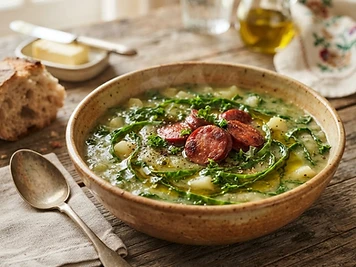
Caldo Verde
The Minho's signature kale-and-potato soup — light, green, and the country's comfort in a bowl.
Other wines to explore
Anselmo Mendes
The winemaker known as 'the father of Alvarinho,' making handcrafted Vinho Verde from his cellar in Monção — including the Contacto and Expressões cuvées that redefined what the region could do.

Aveleda
The largest Vinho Verde producer and one of the most historic — a family estate since 1870, with beautiful gardens (designed by a Swiss landscape architect) and a tasting room an hour from Porto. Casal Garcia, the world's best-selling Vinho Verde, is made here.

Casa de Mateus
The baroque palace on the label of Mateus Rosé — a real 18th-century estate outside Vila Real with manicured gardens, a historic winery and the Trás-os-Montes wine connection. The palace is the draw; the rosé's actual production is long licensed out.
Nearby

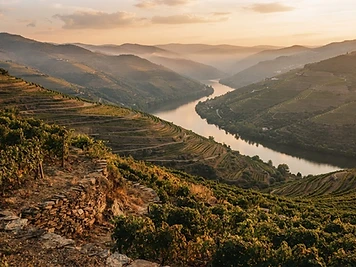
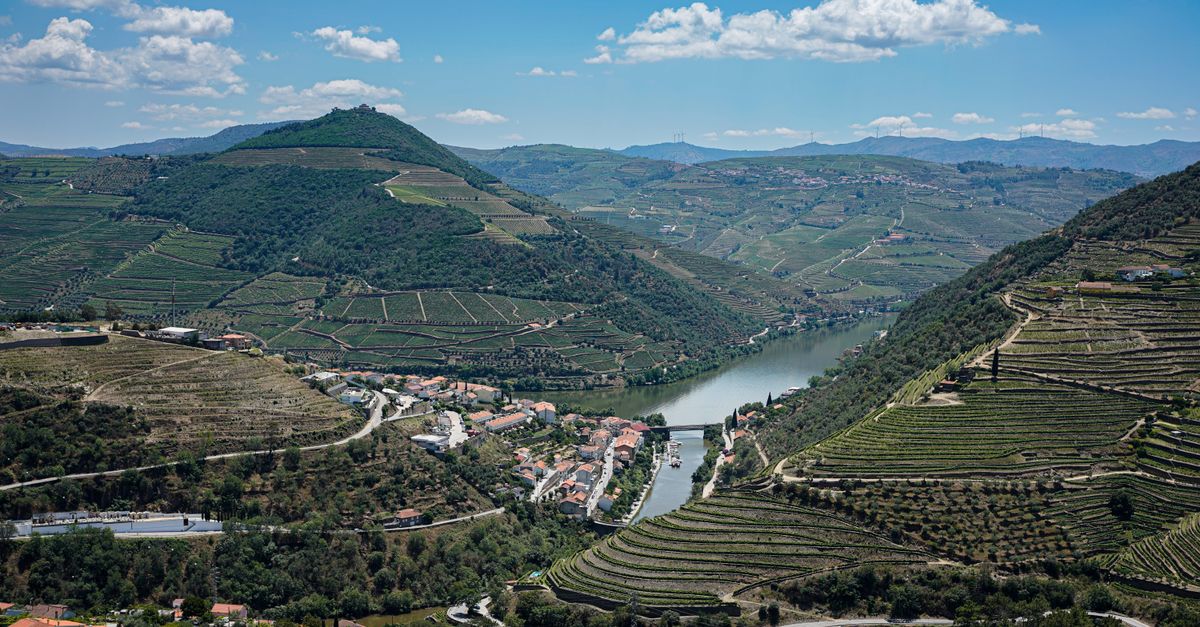
Douro Valley
The world's oldest demarcated wine region — terraced vineyards climbing the banks of the Douro, port's birthplace, and one of the most beautiful river valleys in Europe.

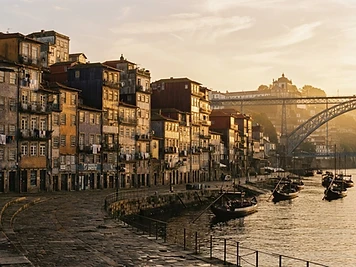
Porto
Portugal's second city — granite, port wine, the Douro waterfront and a working, lived-in heart that Lisbon has partly lost to tourism.
Where it sits


