Quinta do Crasto
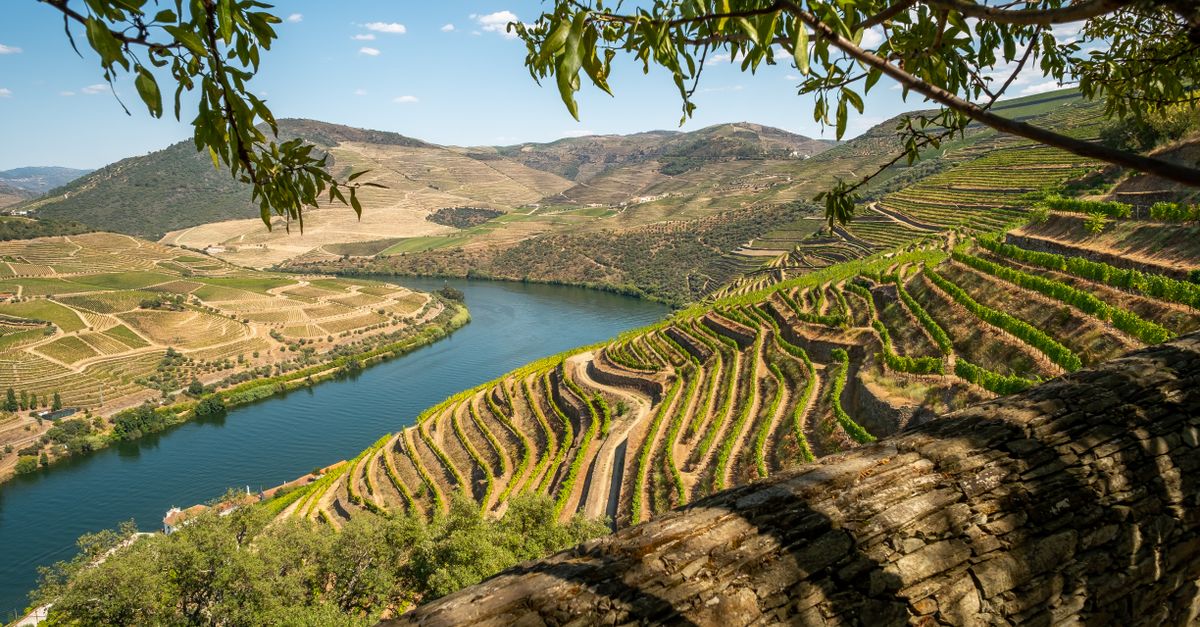
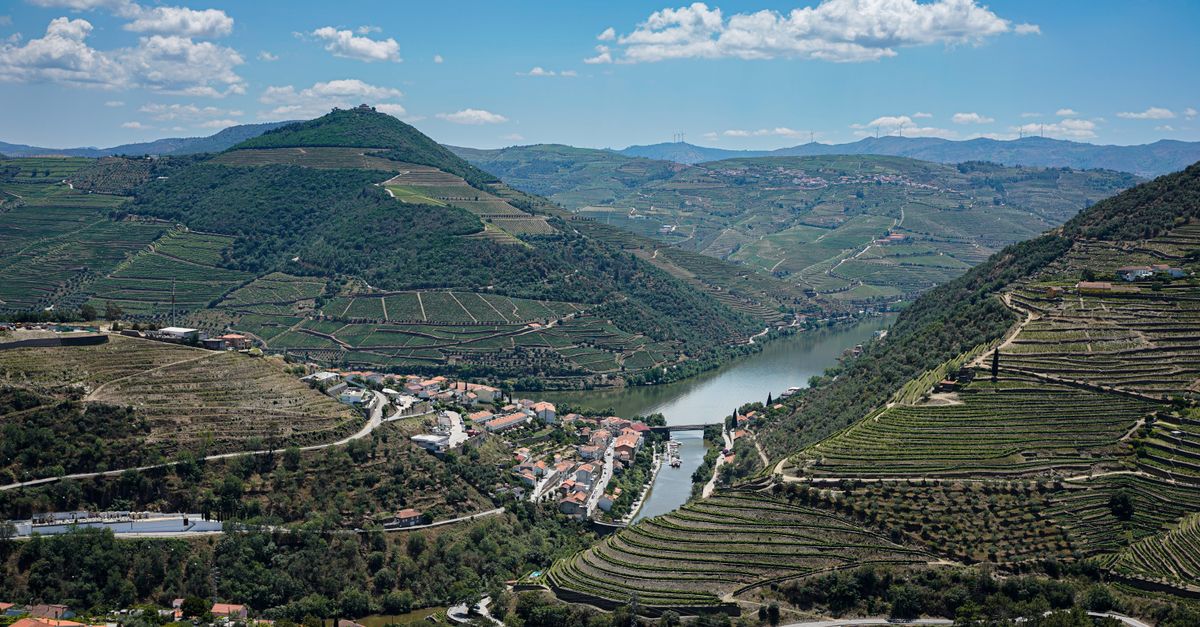
A family-run Douro estate above the river at São João da Pesqueira, producing table wines and a single-vineyard Vinha da Ponte. The terrace overlooks the Douro River.
The most photographed estate in the Douro and a reliable source for table wines.
For the terrace views of the Douro and table wines sourced from old vines.
What's in the glass
Crasto wines are noted for concentration and mineral finishes derived from schist soils. The table wines balance dark fruit profiles with the structure expected of the region.
How it came to be
Documented as early as the 17th century, the estate gained prominence under the Roquette family in the late 20th century. They shifted the focus toward premium Douro table wines, demonstrating the region's capacity for complex, non-fortified production. It remains a family-run operation.
Best for, and who should skip
Photography enthusiasts and wine lovers focused on the dramatic topography of the Douro Valley.
Less ideal for: Travelers with limited mobility or those who struggle with steep inclines, as the layout requires walking across uneven, terraced vineyards. It is less suited for families with small children or those seeking a casual environment, as the experience centers on wine tastings.
Skip if: Those seeking seclusion may find the volume of visitors during peak season a distraction.
Tours, tastings & getting there
Appointments are required to access the pool and terrace area overlooking the bend in the Douro River. Guided tours include the cellar and barrel room followed by tastings on the terrace.
Getting there: Two hours from Porto; situated near Pinhão.
Getting around: The estate is expansive; vehicles are typically required to reach the main terrace from the lower gates.
Booking is strictly required, often months in advance, especially for visits during the harvest or summer months.
When to go
September–October and April.
Open year-round by appointment.
Allow: Half a day.
Beyond the tasting room
Book a guided tasting and vineyard tour; the estate sits high above the river.
Pair with

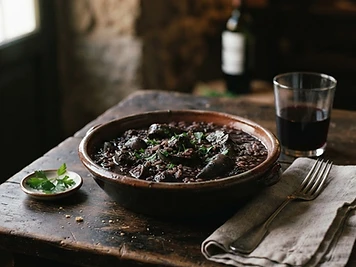
Arroz de Lampreia
A rice stew of lamprey cooked in its own blood—the Minho's most distinctive river dish, served only in season.

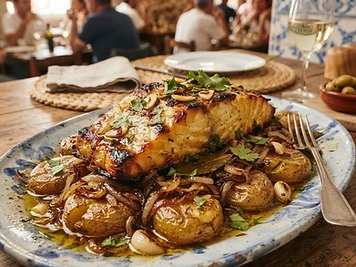
Bacalhau à Lagareiro
Salt cod roasted with olive oil and potatoes — one of the country's most beloved bacalhau preparations, born in the wine country.

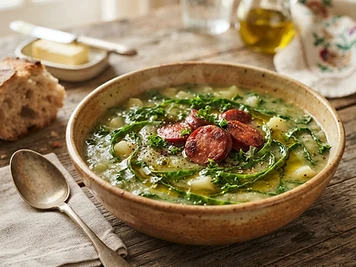
Caldo Verde
The Minho's signature kale-and-potato soup — light, green, and the country's comfort in a bowl.
Other wines to explore

Quinta do Bomfim
The Symington family's visitor-facing Douro estate — home to Dow's, Warre's and Graham's vineyards — with a well-designed tasting room and walking trails through old-vine plots above Pinhão.

Quinta de la Rosa
A family estate spanning six generations, located above the Douro near Pinhão. It produces both port and table wine while operating an on-site guesthouse and cooking school.

Quinta Nova de Nossa Senhora do Carmo
A 19th-century estate above the Douro featuring a hotel, a terrace overlooking the river, and a chapel. Owned by the cork-producing Amorim family, the estate produces vintage port and 'CB' table wines.
Nearby

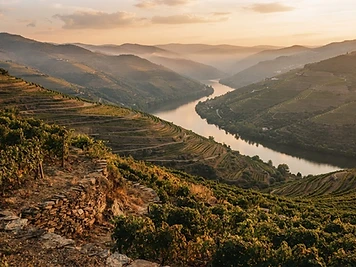
Douro Valley
The world's oldest demarcated wine region — terraced vineyards climbing the banks of the Douro, port's birthplace, and one of the most beautiful river valleys in Europe.

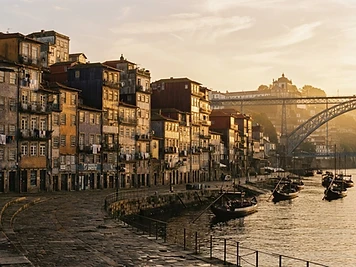
Porto
Portugal's second city — granite, port wine, the Douro waterfront and a working, lived-in heart that Lisbon has partly lost to tourism.
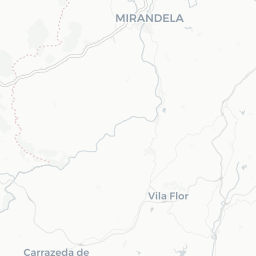
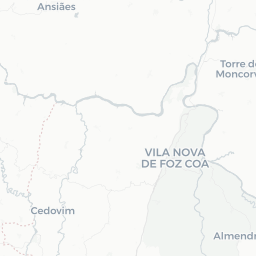
Where it sits



More wine in Porto & North

Aveleda
The largest Vinho Verde producer and one of the most historic — a family estate since 1870, with beautiful gardens (designed by a Swiss landscape architect) and a tasting room an hour from Porto. Casal Garcia, the world's best-selling Vinho Verde, is made here.

Casa de Mateus
The baroque palace featured on the Mateus Rosé label is an 18th-century estate outside Vila Real with landscaped gardens and a historic winery. The site functions as a museum; the wine brand is produced elsewhere under license.

Quinta do Vallado
One of the oldest Douro estates, founded in 1716 and held by descendants of Dona Antónia Adelaide Ferreira, featuring a modern winery and hotel near Régua. Produces old-vine field blends and Touriga Nacional.

Quinta do Vesúvio
A single-vineyard Douro estate of almost mythical status — all port produced here is from one estate, treaded in lagares by foot, and the Symington family has kept it as a standalone Vintage declaration. Remote and spectacular.

Soalheiro
The pioneer of Alvarinho in the Vinho Verde region, Quinta de Soalheiro sits in the northern Minho at Melgaço, where warm days and cool nights produce the grape's acidity. The first vintage was released in 1982.
Anselmo Mendes
The winemaker known as 'the father of Alvarinho,' making handcrafted Vinho Verde from his cellar in Monção — including the Contacto and Expressões cuvées that redefined what the region could do.