Quinta do Vesúvio
A single-vineyard Douro estate of almost mythical status — all port produced here is from one estate, treaded in lagares by foot, and the Symington family has kept it as a standalone Vintage declaration. Remote and spectacular.
A single-estate Vintage port made the old way, in one of the Douro's most dramatic settings.
For a single-estate Vintage port made the old way, in one of the Douro's most dramatic and isolated settings.

What's in the glass
Vesúvio produces wines of massive power, intensity, and longevity, often noted for their deep, violet-hued fruit and immense structure. The process of traditional foot-treading results in a unique, layered complexity that defines its singular identity.
How it came to be
Known as the jewel of the Douro, the estate remained under the control of the Ferreira family for centuries before passing to the Symingtons. It has never been used for any other estate's wines, remaining a standalone, single-vineyard entity since its inception. It is a place of near-mythical status, defined by its isolation and its refusal to abandon traditional methods.
Best for, and who should skip
Serious port collectors and those who wish to witness the most traditional and dramatic winemaking practices in the world.
Less ideal for: Travelers prioritizing easy accessibility, spontaneous drop-ins, or those who suffer from severe motion sickness due to the winding, rugged mountain tracks required to access the property.
Skip if: The extreme remoteness makes it difficult to fit into a short trip, and it is largely inaccessible to casual walk-in traffic.
Tours, tastings & getting there
Visiting Vesúvio is an exclusive experience, often requiring a long journey into the remote Upper Douro. The estate is a living time capsule where guests can see the traditional lagares in action during the harvest.
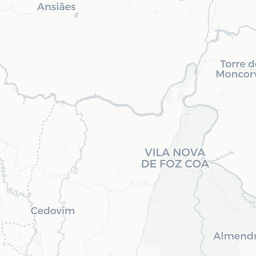
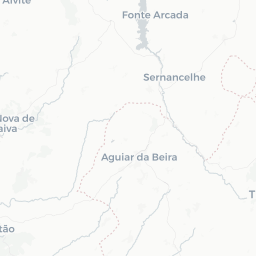
Getting there: 2.5 hr from Porto; near Vila Nova de Foz Côa.
Getting around: The estate is rugged and vast; expect to walk through steep, terraced vineyards on unpaved ground.
This is a remote location; ensure your vehicle is capable and you have ample fuel before heading into the Upper Douro.
When to go
September.
Limited visits; book well ahead.
Allow: Half a day
Beyond the tasting room
Pre-book a private tour; access is limited and the estate is far upriver near Foz Côa.
Pair with

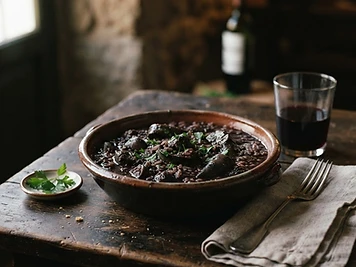
Arroz de Lampreia
A rice stew of lamprey cooked in its own blood — the Minho's most distinctive river dish, in season only.

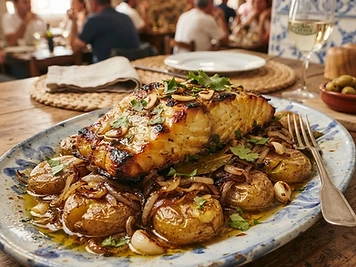
Bacalhau à Lagareiro
Salt cod roasted with olive oil and potatoes — one of the country's most beloved bacalhau preparations, born in the wine country.

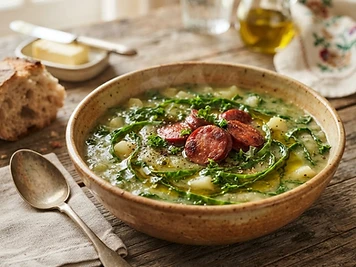
Caldo Verde
The Minho's signature kale-and-potato soup — light, green, and the country's comfort in a bowl.
Other wines to explore
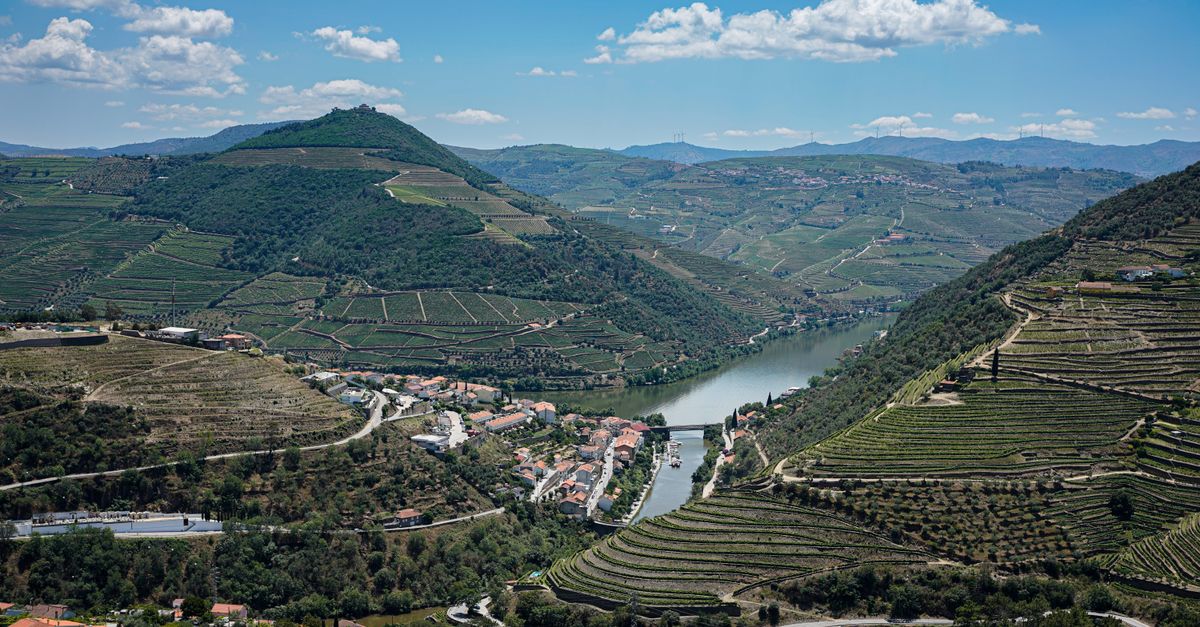
Anselmo Mendes
The winemaker known as 'the father of Alvarinho,' making handcrafted Vinho Verde from his cellar in Monção — including the Contacto and Expressões cuvées that redefined what the region could do.

Aveleda
The largest Vinho Verde producer and one of the most historic — a family estate since 1870, with beautiful gardens (designed by a Swiss landscape architect) and a tasting room an hour from Porto. Casal Garcia, the world's best-selling Vinho Verde, is made here.

Casa de Mateus
The baroque palace on the label of Mateus Rosé — a real 18th-century estate outside Vila Real with manicured gardens, a historic winery and the Trás-os-Montes wine connection. The palace is the draw; the rosé's actual production is long licensed out.
Nearby

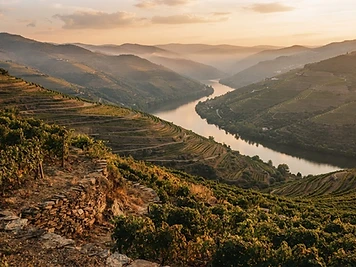
Douro Valley
The world's oldest demarcated wine region — terraced vineyards climbing the banks of the Douro, port's birthplace, and one of the most beautiful river valleys in Europe.

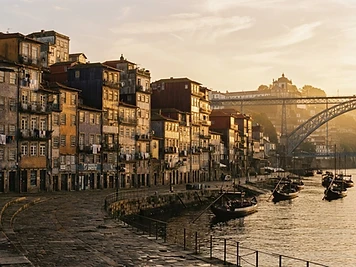
Porto
Portugal's second city — granite, port wine, the Douro waterfront and a working, lived-in heart that Lisbon has partly lost to tourism.
Where it sits